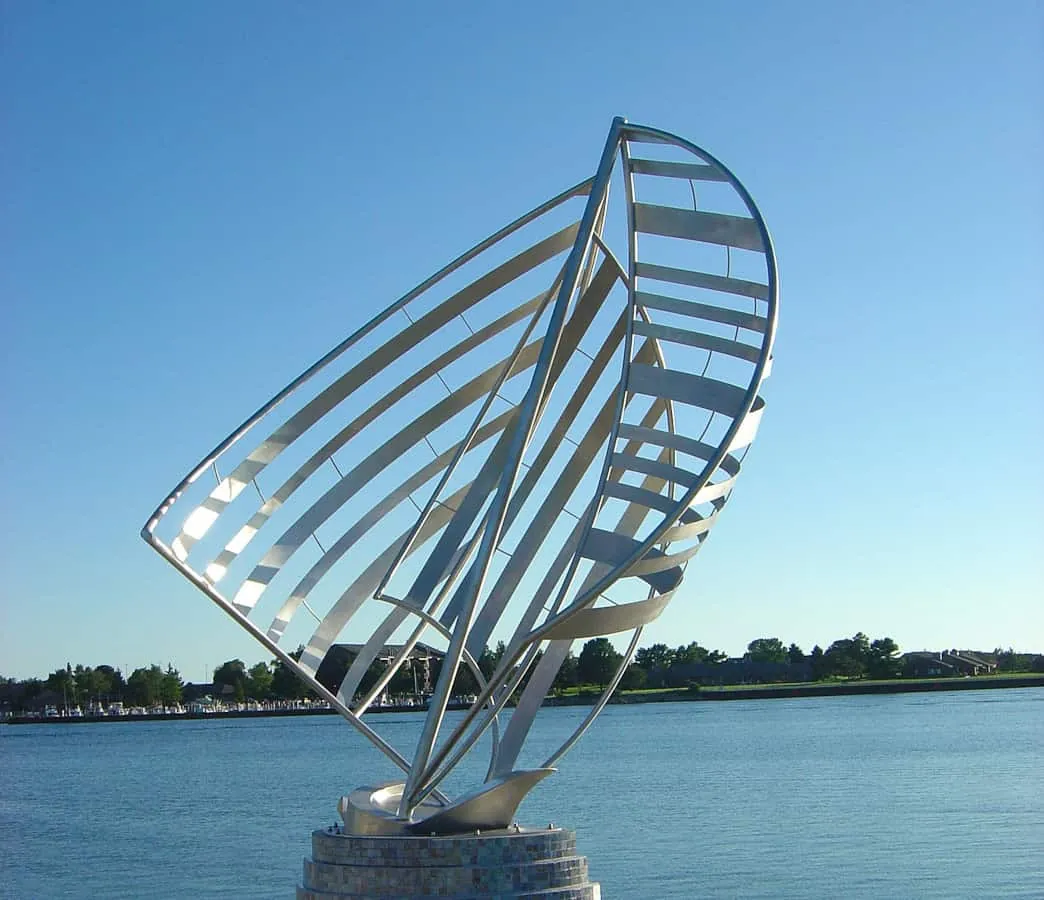
The challenge is as common as it is costly: multiple shipments of architectural stainless steel arrive on-site, all specified to a “No. 4 Finish,” yet they exhibit noticeably different levels of reflectivity and texture. This “checkerboard” effect disrupts the architect’s design intent and leads to delays, disputes, and rework. The root cause is a fundamental gap between a descriptive specification and a quantitative, enforceable standard.
For Northern Manufacturing’s architectural stainless steel fabrication capabilities, see our architectural stainless steel fabrication page.
At Northern Manufacturing, we believe in building what others can’t, a principle that begins with a shared, precise understanding of the final requirement. Ensuring visual harmony across large-scale projects is a challenge we have mastered. This guide outlines the framework we use to guarantee finish consistency, transforming a subjective goal into a measurable outcome.
The quality system behind this framework, covered in detail at the end of this guide:
- ISO 9001 Certified Quality System
- Two on-staff Certified Welding Inspectors (CWI)
- Personnel certified to ASNT SNT-TC-1A Level III
- Leica AT960 3D Laser Scanner for high-precision verification
The Problem: Why Descriptive Standards Like “No. 4 Finish” Are Insufficient
Industry standards such as ASTM A480 are essential, but they are primarily descriptive, process-based documents. They define the manufacturing process, not the final, measurable appearance. Factors like abrasive type, belt speed, and lubrication can vary significantly between fabricators, yet all can legitimately claim to produce a “No. 4 finish”. For any project where visual consistency is a critical success factor, relying on this descriptive term alone introduces unacceptable risk.
The solution is to move from descriptive language to a precise, multi-layered specification that eliminates ambiguity.

The Solution: A Framework for Guaranteed Consistency
To ensure every component from every partner matches perfectly, your specification must be built on three core principles: quantitative data, physical standards, and a standardized verification protocol.
1. Move from Descriptive to Quantitative Specification
Supplement common finish names with precise, verifiable engineering metrics:
- Specify Average Roughness (Ra) with a Range: Instead of just “No. 4 Finish,” specify “No. 4 Finish with an Average Roughness (Ra) of 0.5 µm ± 0.1 µm”. This provides a quantifiable target all suppliers must meet.
- Mandate Lay Direction: For any brushed finish, the grain direction, or “lay”, dramatically impacts light reflection. Engineering drawings must use standard ASME Y14.36M symbols to explicitly dictate the grain orientation for every panel, preventing visual mismatching.
- Control Waviness on Large Panels: On large surfaces, macroscopic distortion known as “oil canning” can be highly disruptive. For critical facades, the specification should include a tolerance for waviness to control these large-scale visual imperfections.
2. Establish Physical Samples as the Ultimate Authority
While data drives the process, the final judgment of cosmetic appearance is visual. Physical samples provide an unambiguous basis for acceptance:
- Create a Master Sample: Before production, a single master sample must be developed and formally approved by the architect, contractor, and all fabrication partners. This sample is the agreed-upon target for appearance and texture.
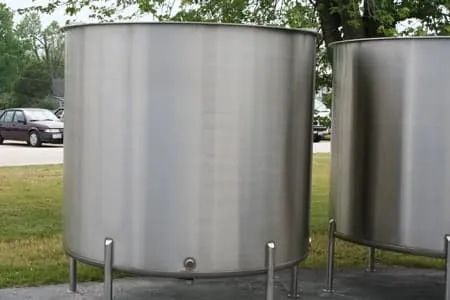
- Define Acceptance with Boundary Samples: To account for minor process variations, create boundary samples that represent the absolute limits of acceptable appearance (e.g., lightest/darkest, highest/lowest gloss). Any part that falls within the range defined by these boundaries is acceptable; any part outside is rejected.
3. Standardize Communication and Verification
A precise specification is only effective if it is clearly communicated and rigorously verified:
-
Mandate a Pre-Production Meeting: Convene all suppliers to review the quantitative specifications and formally co-sign the master and boundary samples. This ensures every stakeholder is aligned to the exact same target.
-
Define the Visual Inspection Environment: To ensure objective assessment, your specifications must define a controlled inspection protocol, dictating:
- Lighting: Type and intensity (e.g., cool white fluorescent at 1100-1235 lux).
- Viewing Distance: A standard, such as arm’s length (30-70 cm).
- Inspection Duration: A limited time per surface (e.g., 3-5 seconds) to focus on readily apparent defects.
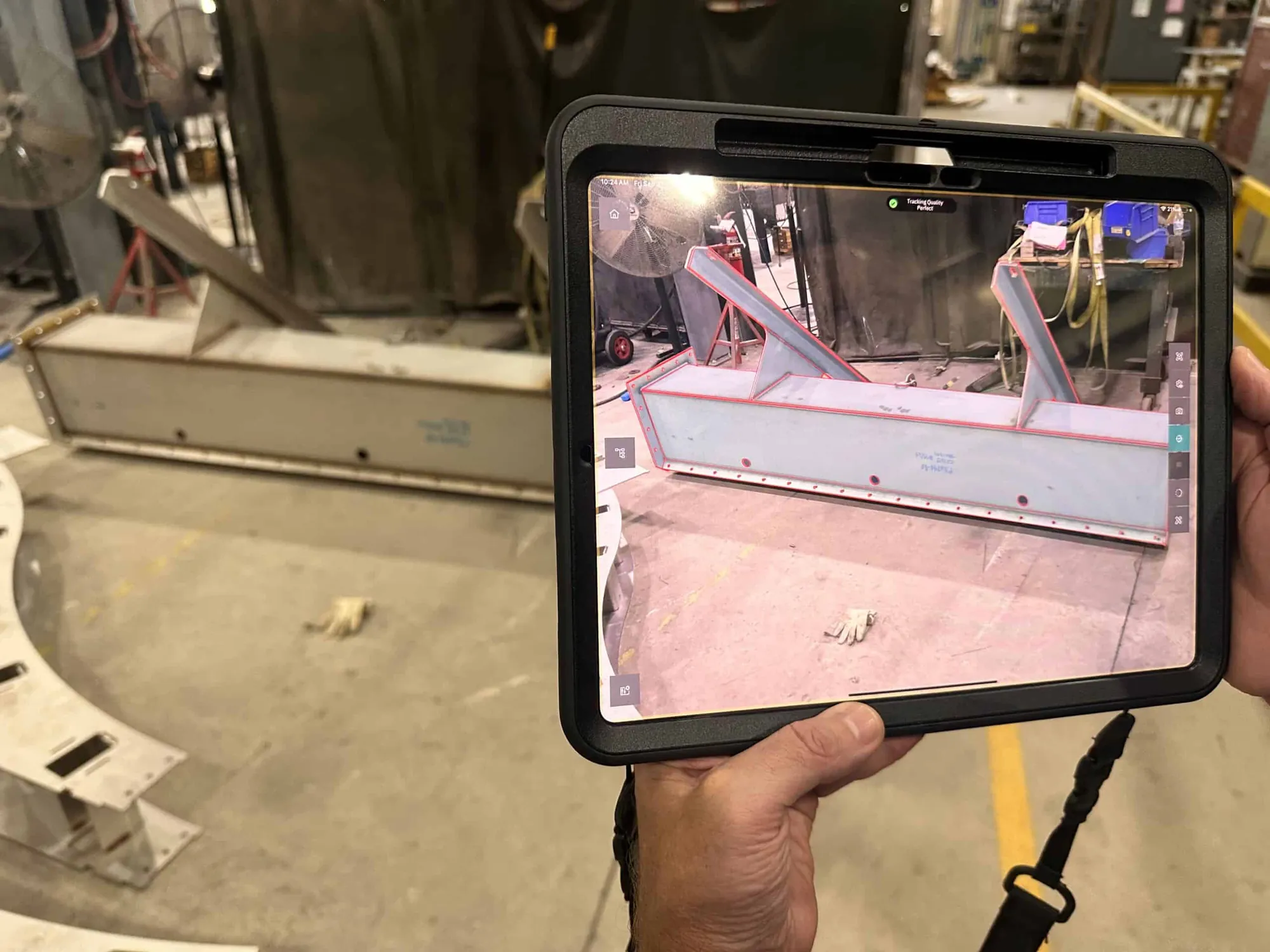
The full framework at a glance:
| Specification Layer | What It Defines | Examples From This Guide |
|---|---|---|
| Quantitative data | Ra range, lay direction, waviness tolerance | No. 4 finish with Ra of 0.5 µm ± 0.1 µm; ASME Y14.36M lay symbols |
| Physical standards | Master sample and boundary samples | Lightest/darkest and highest/lowest gloss acceptance limits |
| Verification protocol | Lighting, viewing distance, inspection duration | Cool white fluorescent at 1100-1235 lux; 30-70 cm; 3-5 seconds per surface |
Northern Manufacturing: Your Partner for Architectural Excellence
Executing a project with this level of precision requires a professional stainless steel fabrication partner with a deep commitment to quality control. Our ISO 9001 Certified Quality System provides the procedural backbone, while our facility is equipped with advanced inspection technology like the Leica AT960 3D Laser Scanner for high-precision verification. Our team includes two on-staff Certified Welding Inspectors (CWI) and personnel certified to ASNT SNT-TC-1A Level III, ensuring every aspect of your project is verified against the most rigorous standards. This is how we deliver on our promise of blending old-world craftsmanship with cutting-edge technology.
By adopting this specification framework, you replace ambiguity with precision, subjectivity with objective criteria, and risk with reliability. This proactive approach ensures your architectural installation is visually harmonious and a true reflection of your design intent.