Fabricating Hastelloy, AL-6XN & Specialty Alloys
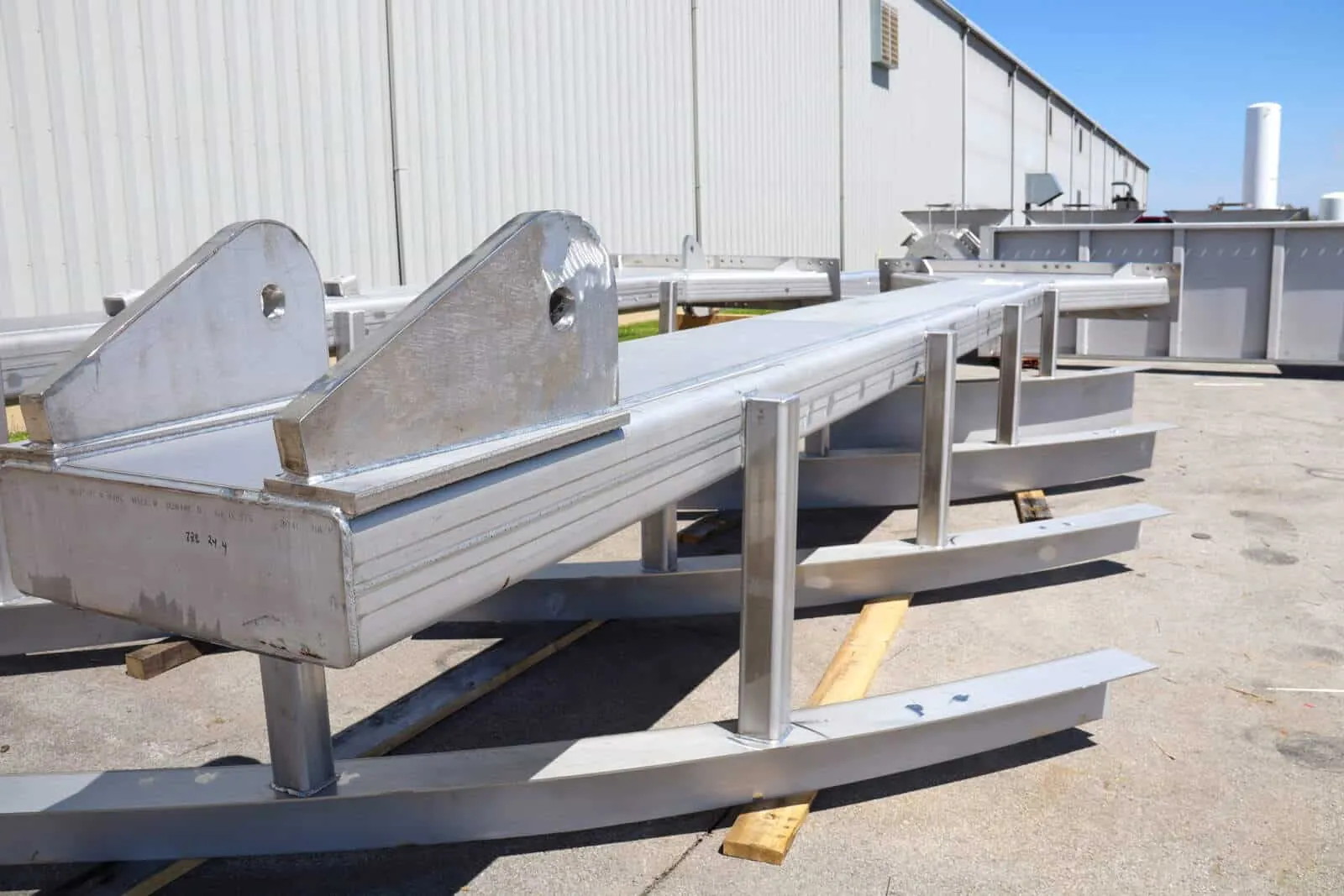
We weld and form Hastelloy C-276, C-22, and super-austenitic AL-6XN to spec, with heat input and interpass temperature held inside procedures qualified to ASME BPVC Section IX and 100% PMI at receiving. These nickel alloys go into concentrated acids, chlorides, and high-temperature chemical service where standard stainless fails.
Capacity
60 +
AWS-certified welders
3
Specialty alloys run
100 %
PMI verified
1951
Fabricating since
Alloys we run
The specialty alloys we run, qualified and traceable
When standard stainless steels are not enough for extreme environments, engineers specify high-nickel alloys like Hastelloy and super-austenitic grades like AL-6XN. These materials deliver exceptional corrosion resistance, but they demand fabrication procedures matched to their metallurgy. We hold qualified procedures and PMI verification across every alloy below.
The most versatile nickel-molybdenum-chromium alloy, resistant to a wide range of chemical environments including oxidizing and reducing acids.
Improved resistance to localized corrosion and oxidizing media compared to C-276. Widely used in chemical processing and flue gas desulfurization.
A super-austenitic stainless that bridges standard stainless and nickel alloys, with excellent chloride pitting resistance. We weld it with controlled heat input and a molybdenum-matched filler to hold the passive layer across the joint.
We qualify new procedures for alloys outside our standard run. Send the spec.
Welding & Fabrication
Hot cracking and sensitization are the real risks
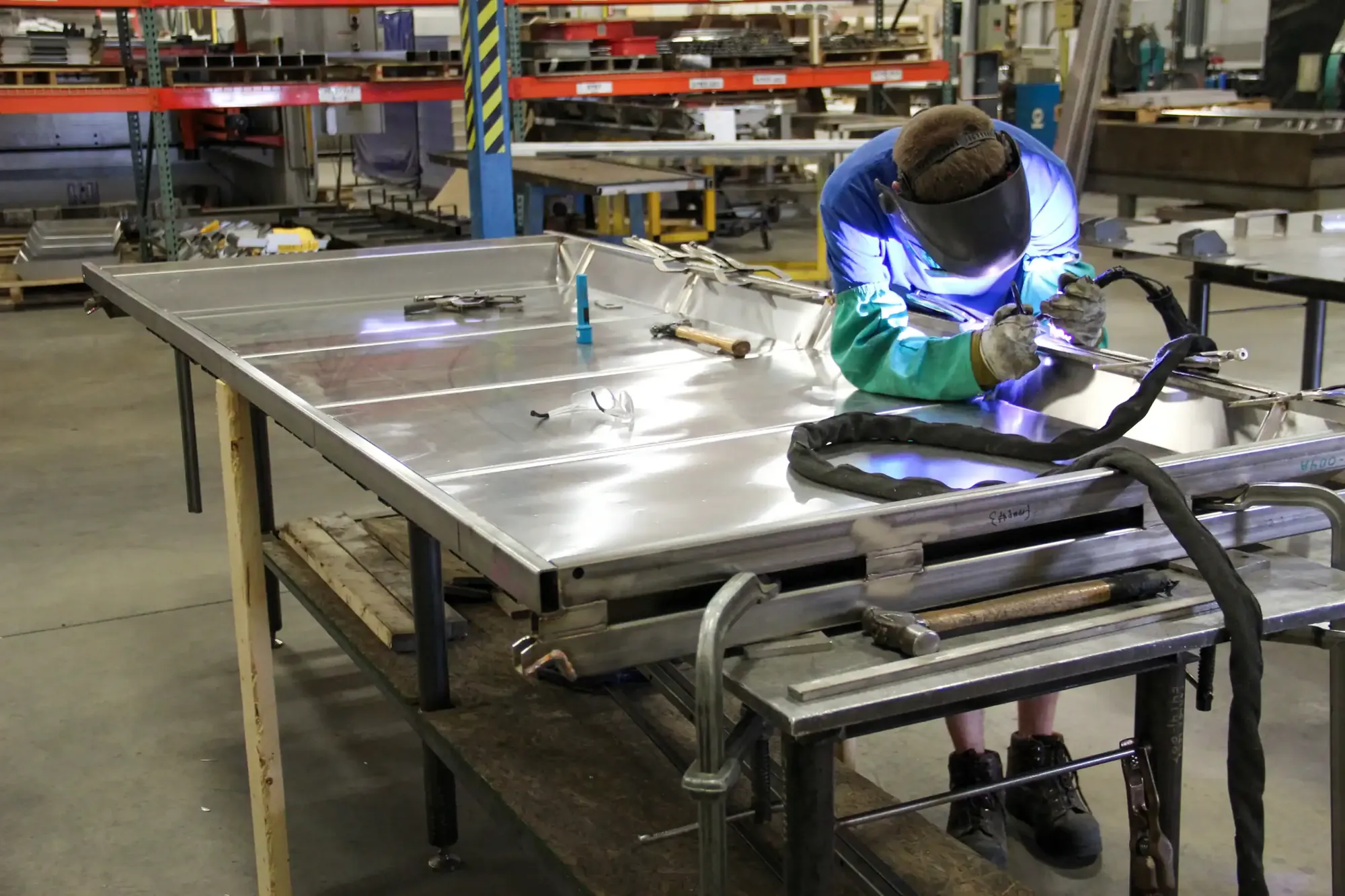
Welding specialty alloys is the most critical step in fabrication. Hot cracking, sensitization, and loss of corrosion resistance are real risks when procedures are not matched to the specific alloy chemistry.
Strict heat input control
Excess heat in Hastelloy promotes hot cracking and precipitation of deleterious phases in the weld and heat-affected zone. Our procedures specify narrow heat-input ranges for each alloy.
Interpass temperature management
AL-6XN and Hastelloy carry strict interpass limits, typically lower than standard stainless grades. We monitor and enforce them on every pass.
Alloy-matched filler metals
Each alloy needs a specific filler to hold corrosion resistance across the joint. We stock and qualify fillers for every specialty alloy we run, with full lot traceability.
Forming, Rolling & Finishing
Higher work hardening, alloy-matched finishing
Higher work-hardening rates and nickel-alloy chemistry drive grade-specific forming forces and alloy-matched finishing.
Heavy forming & bending
Specialty alloys work-harden faster than austenitic stainless. Our forming operations account for the increased forces and springback these materials exhibit.
Cylinder & shell rolling
Hastelloy and AL-6XN plate rolled into vessels and shells for severe-service applications, with particular attention to minimum bend radii to prevent cracking.
Alloy-specific post-weld treatment
Alloy-matched [pickling and passivation](/capabilities/pickling-passivation/) per ASTM A380 / A967 restores the passive layer after welding. The standard stainless pickling solution is not appropriate for nickel alloys.
How We Build It Right
The alloy is only worth its cost if the welds hold
The alloy you specified only delivers its corrosion resistance if the welds hold. Run too much heat into Hastelloy and you get hot cracking; exceed AL-6XN interpass limits and you sensitize the metal. We build to the grade your engineer specified, holding heat input and interpass temperature inside qualified windows on every pass so the metal performs as designed.
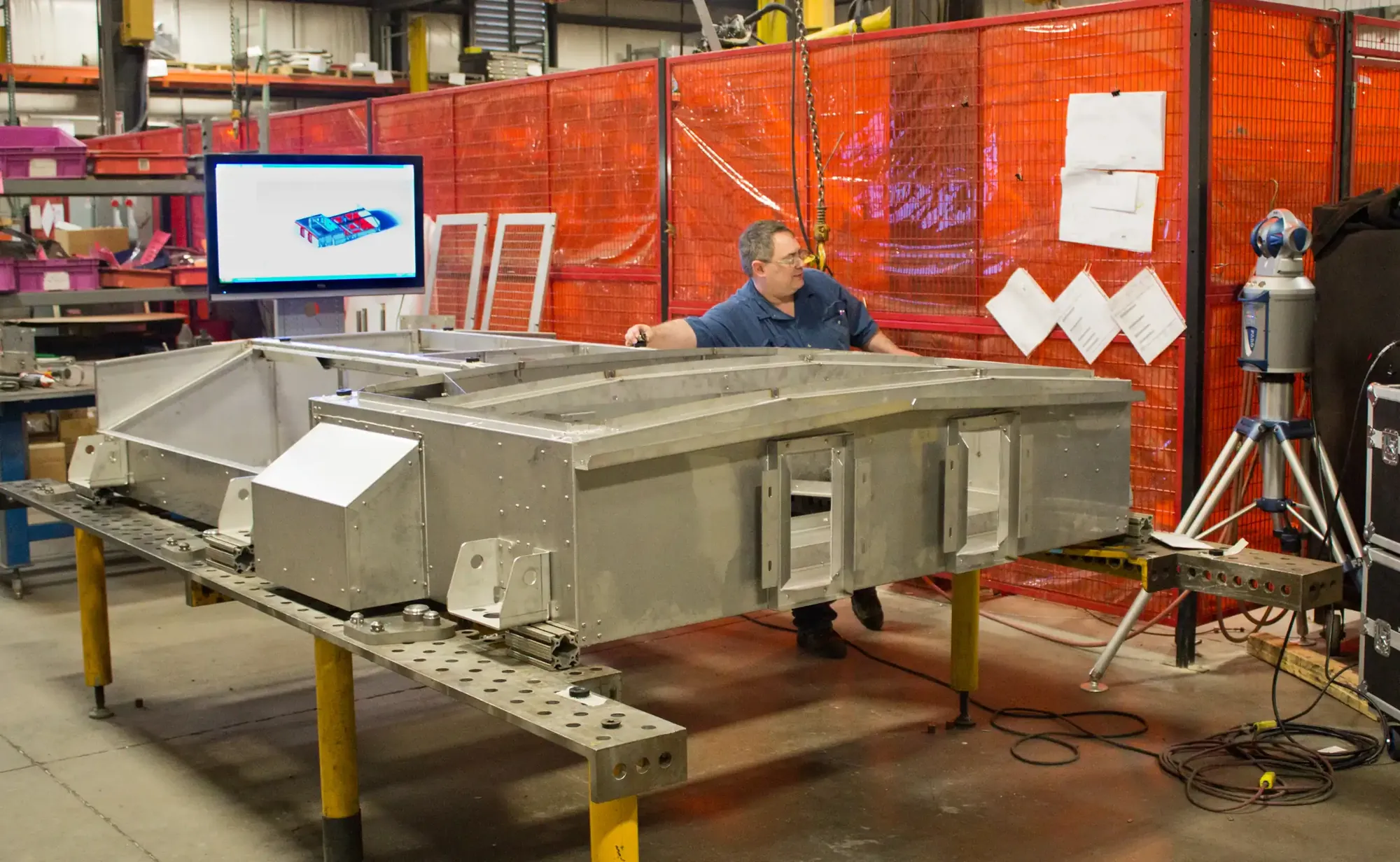
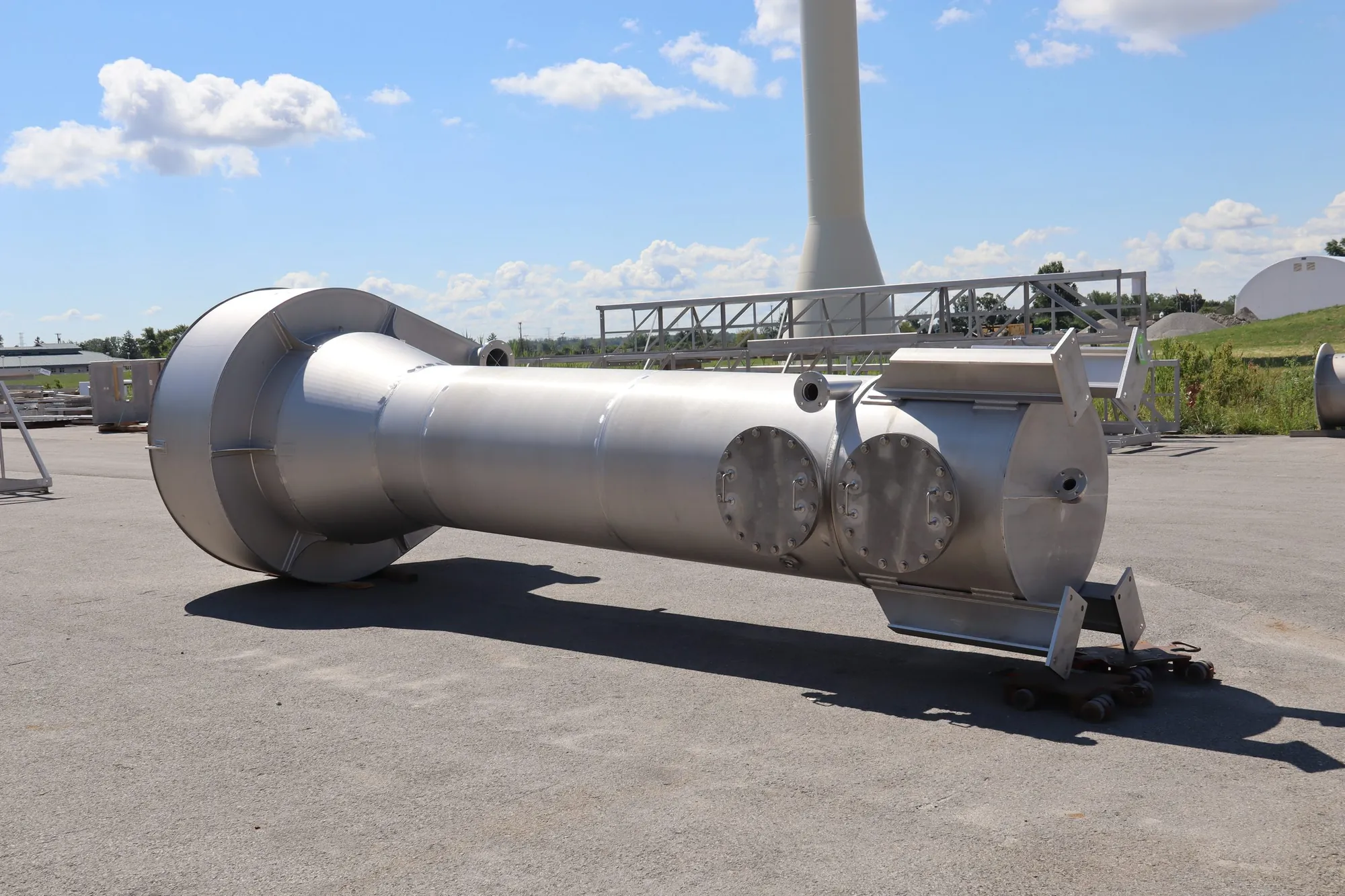
Qualified procedures per ASME BPVC Section IX, alloy-matched filler, and enforced heat-input and interpass windows prevent the hot cracking and sensitization that destroy corrosion resistance when a shop runs nickel alloys on a standard stainless procedure. On a pollution-control wet electrostatic precipitator in AL-6XN, we set row-to-row straightness as a parameter before the first arc and held heat input low so the plate would not walk. See the build.
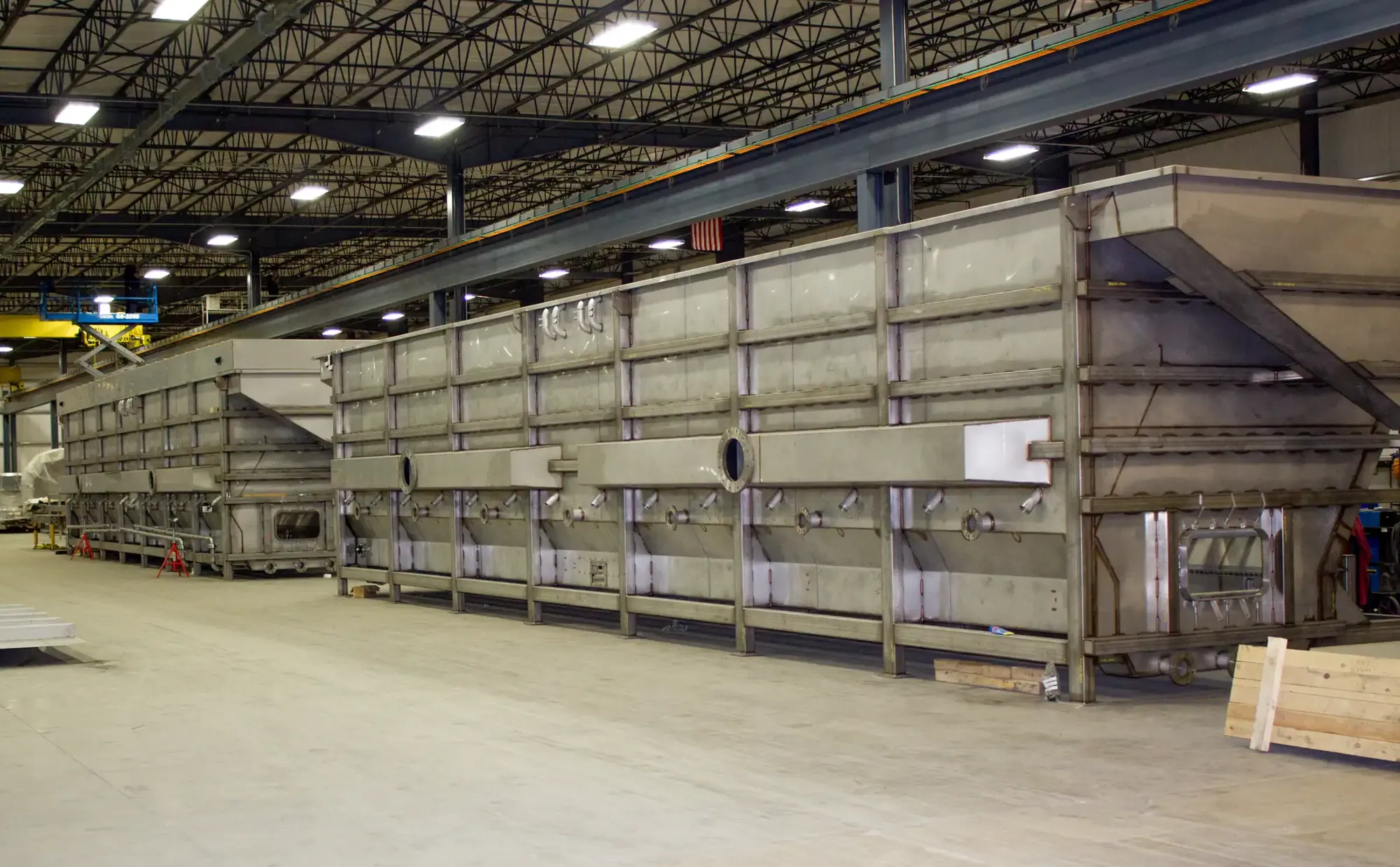
Rigid controls over thermal operations, shielding-gas coverage, and interpass temperatures preserve the properties that make these materials worth their cost. Nickel-alloy work runs in our roughly 40,000 sq ft dedicated stainless-only production space, no carbon, so free iron cannot compromise the passive layer.
ISO 9001:2015 certified, with procedures and personnel qualified per ASME BPVC Section IX, we provide the documentation and traceability your critical quality audits require.
AL-6XN, Hastelloy C-276 and C-22 are mill-run grades where misidentification is a real supply-chain risk. We qualify the mills we buy from under ISO 9001 controls, log every heat by number, and run 100% PMI at receiving before the metal reaches a fixture.
Quality Assurance
Alloy-specific inspection points
Where It Runs
Industries that depend on specialty alloys
Where standard stainless is not enough: concentrated acids, chloride-rich solutions, and high-temperature chemical service.
Have a specialty alloy project on the board?
Other Materials We Fabricate
Back to the stainless families
Processes we run on this alloy
The in-house capabilities behind every build in this alloy, from laser cutting to final passivation.
Frequently asked questions
What engineers and procurement managers ask us about fabricating hastelloy, al-6xn & specialty alloys.
How do you prevent hot cracking in nickel alloys?
With narrow heat-input control, low interpass temperatures, and an alloy-matched filler, all under procedures qualified to ASME BPVC Section IX. Nickel alloys are sluggish and prone to hot cracking and deleterious-phase precipitation if run hot, so the procedure controls the thermal window pass by pass.
When do I specify Hastelloy C-276 vs C-22 vs AL-6XN?
It comes down to the chemistry. Hastelloy C-276 (UNS N10276) handles strong reducing and oxidizing acids and wet chlorine. C-22 (UNS N06022) broadens resistance across mixed and oxidizing-reducing transitions. AL-6XN (UNS N08367) is a super-austenitic that bridges stainless and nickel alloys, strong against chloride pitting and crevice corrosion. If your spec leaves the grade open, send the media, temperature, and concentration and we will advise.
Can you pickle and passivate nickel alloys in-house?
Yes, with alloy-specific chemistry per ASTM A380 and A967 in our 55-foot booth. A standard stainless pickle is not used on nickel alloys; the chemistry is matched to the alloy so the passive layer is restored without attacking the base metal.
What documentation can you provide?
As your specification and purchase order require: Material Test Reports traced by heat, PMI certificates, weld maps with WPS references, and dimensional inspection reports, available on request. PMI verification is standard on alloy-critical work because 304, 316, and high-nickel grades can look identical on the rack.