Stainless wants to move when you weld it and rust where carbon touches it. We fabricate structural stainless to AWS D1.6 with CWI-overseen distortion control and a stainless-only bay, so your members arrive spec-ready.
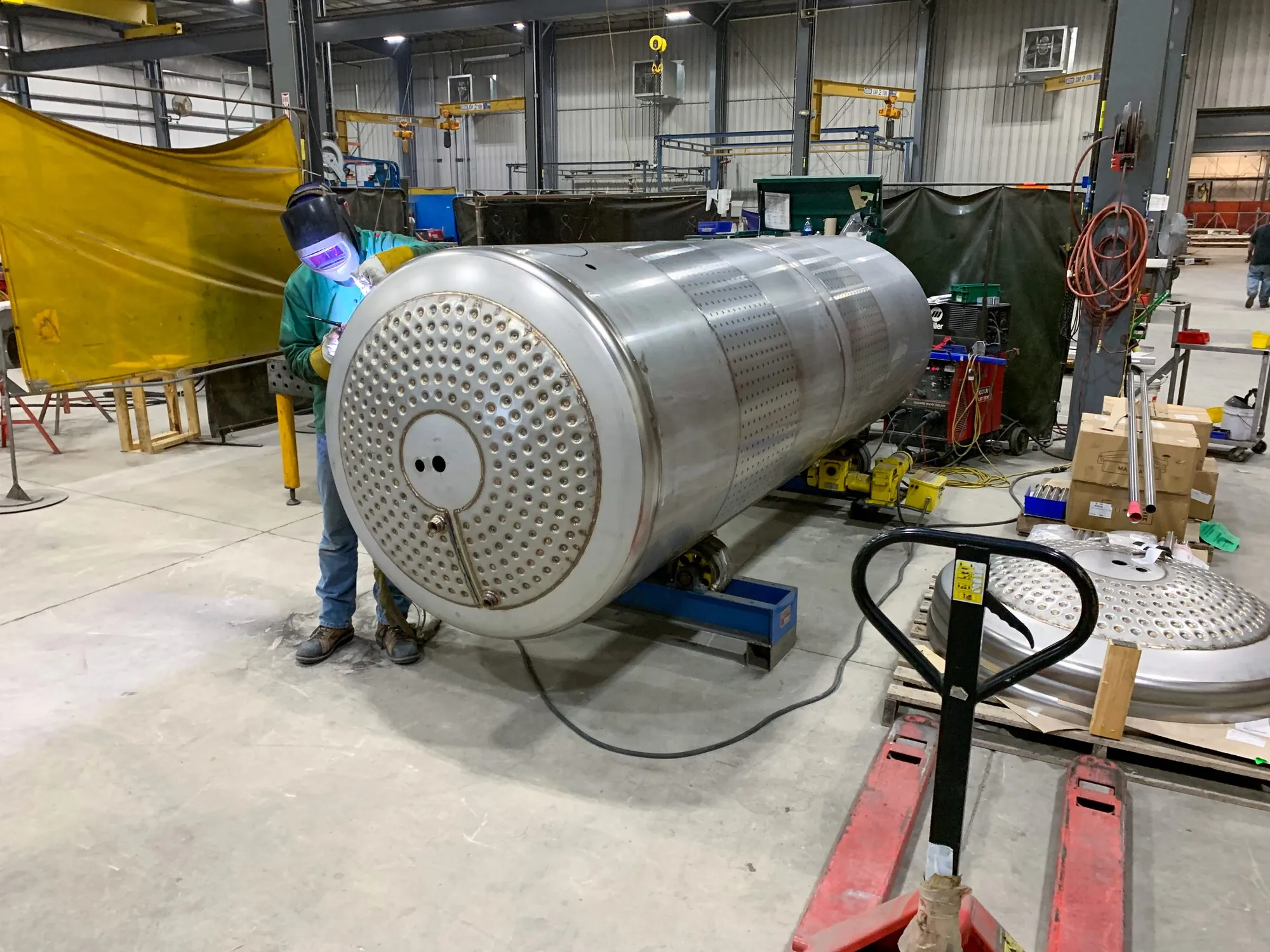
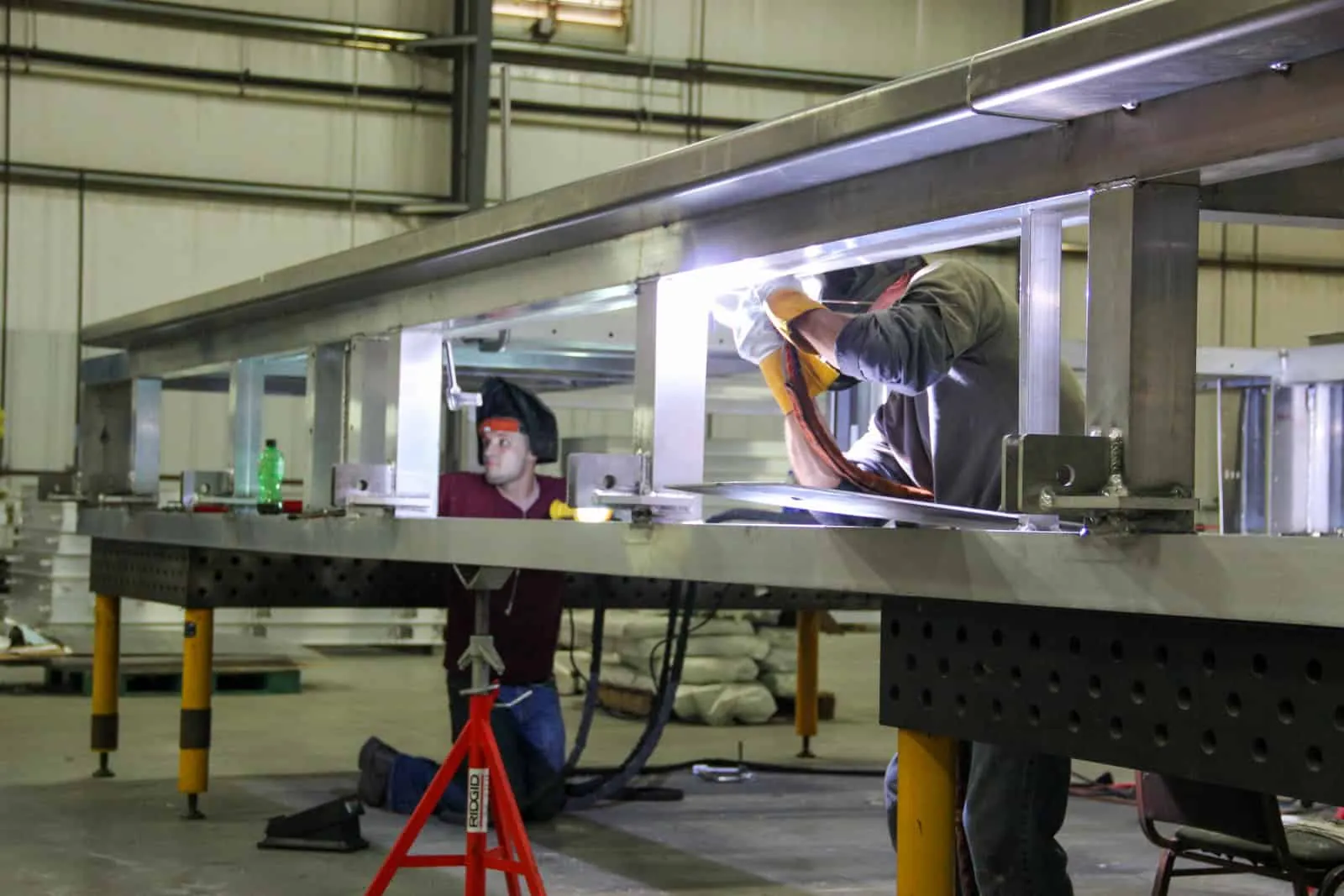
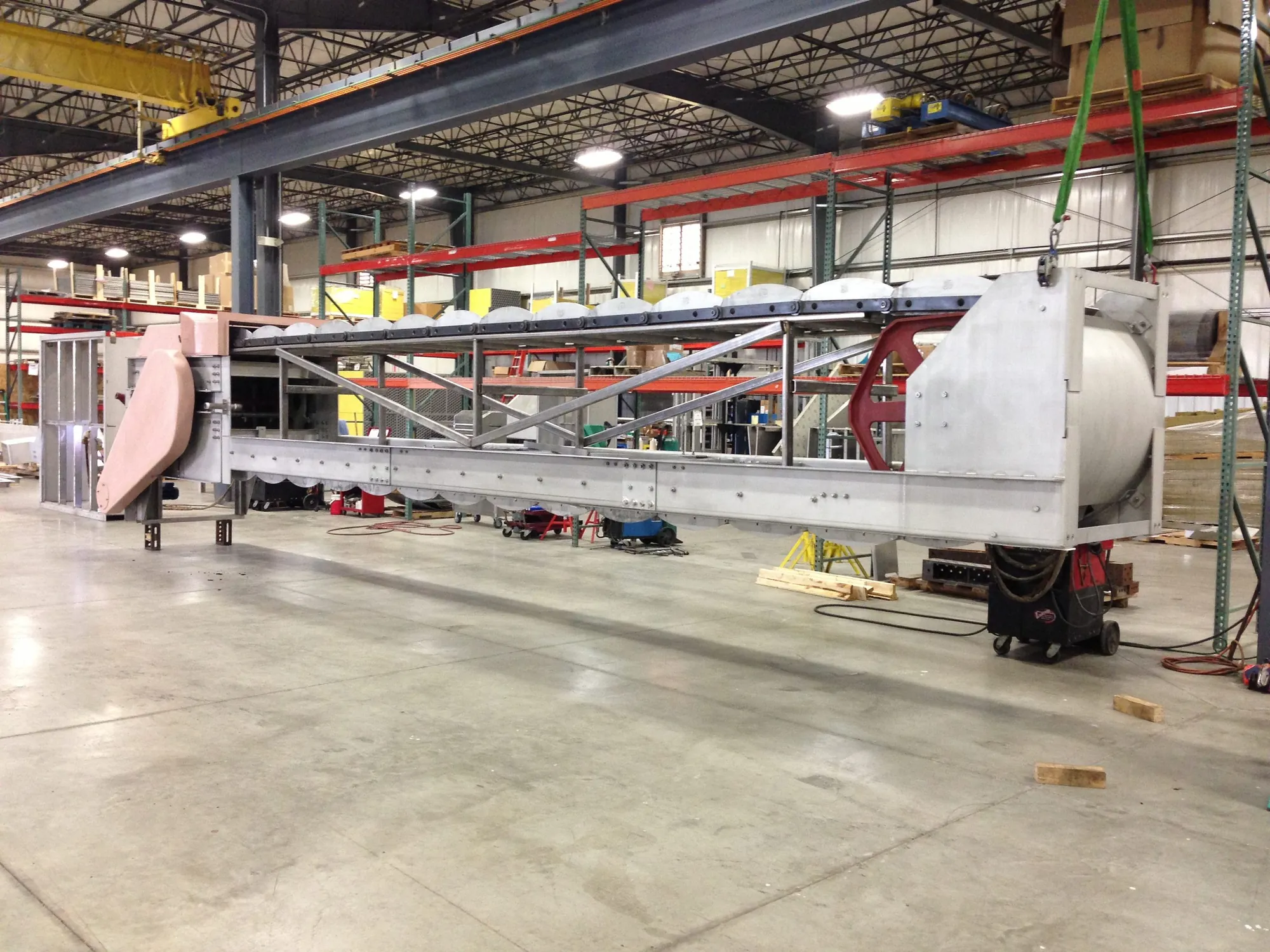
Northern Manufacturing fabricates structural stainless steel for load-bearing service: custom beams, columns, and trusses, pipe racks and equipment supports, access platforms, walkways, monumental staircases, and Architecturally Exposed Structural Steel (AESS). Weldments are built to AWS D1.6 (Structural Welding Code, Stainless Steel) by 60+ AWS-certified welders in our 160,000 sq ft indoor facility in Oak Harbor, Ohio, with stainless work segregated in a 40,000 sq ft stainless-only production space.
ISO 9001:2015 certified (AVU Registrations). Welding procedures and personnel qualified per AWS D1.6 and ASME BPVC Section IX, with a Certified Welding Inspector (CWI) on staff overseeing structural weld quality. In-house laser cutting, forming, rolling, and pickling/passivation keep the work start to finish under one roof and one quality system.
What We Fabricate
Custom Stainless Beams, Columns & Trusses
Laser-cut and welded profiles, including custom stainless beams in section sizes and geometries mills do not roll.
AESS Elements
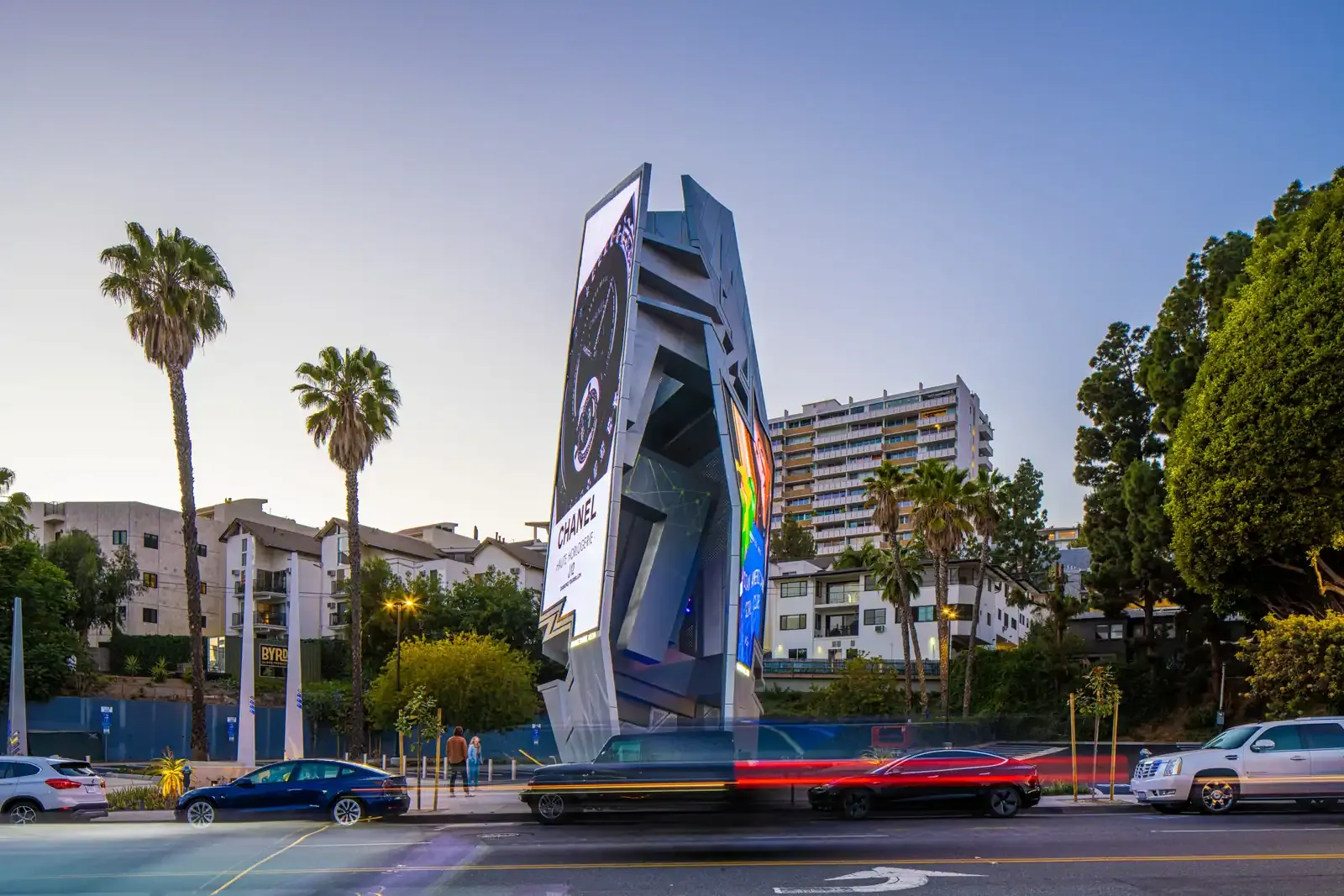
Canopies, trusses, and columns where weld appearance and surface finish are controlled alongside structural requirements. See our architectural stainless work.
Support Structures for Glass Curtain Walls & Skylights
Tight field-alignment tolerances on members that stay visible for the life of the building.
Pipe Racks & Equipment Supports
Corrosion-resistant racks and skid frames for process plants where painted carbon steel is a recurring maintenance cost.
Access Platforms, Walkways & Monumental Staircases
Load-bearing fabrications for plant access and public spaces.
Structural Components for Bridges & Infrastructure
Pedestrian bridges and coastal structures where de-icing salt and spray exposure rule out carbon steel.
Frames & Supports for Processing Lines
Washdown-rated structural work for food and beverage and other sanitary environments.
Fabricating Structural Stainless to Spec
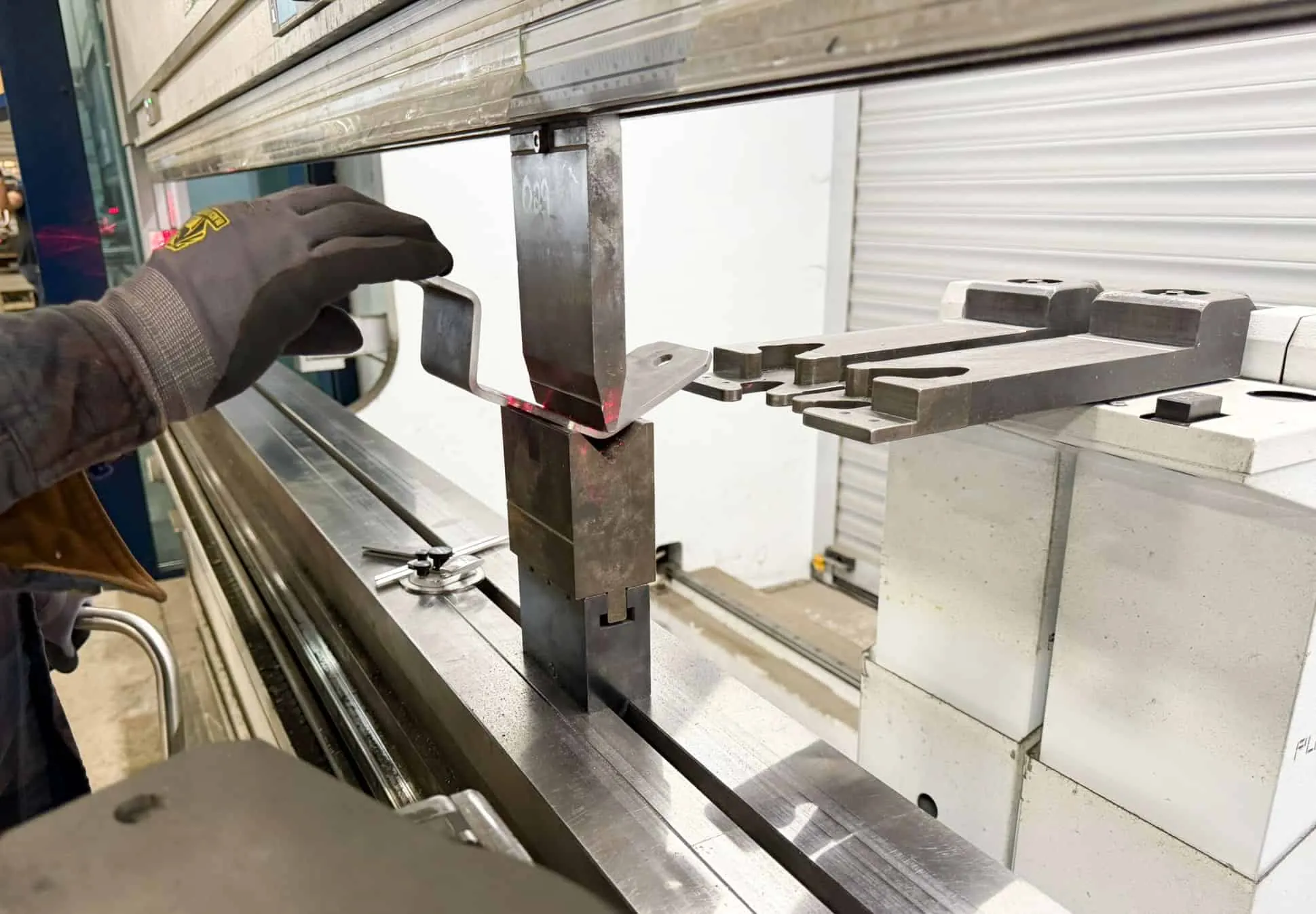
Most structural stainless is 304L or 316L, with duplex 2205 where strength or chlorides drive the design. You spec the grade; we build the member to it, holding straightness and weld integrity at structural scale.
| Grade | When to specify it |
|---|---|
| 304L | General structural work in dry, sheltered, or low-chloride environments |
| 316L | Washdown areas, coastal exposure, de-icing salts, and chemical process environments |
| Duplex 2205 | Roughly twice the yield strength of 316L for thinner, lighter members; chloride SCC resistance |
We stock 316/316L structural shapes (angle, tubing, pipe) and 316/316L plate from 20-gauge through 1 inch in standard sizes. Duplex 2205 and non-stocked sizes are sourced through our distributor network in sheet, plate, pipe, and tube, with the sourcing window confirmed during quoting.
How We Keep Weldments Dimensionally True
Distortion control at Northern is planned before the first arc strikes, not ground out afterward. Qualified WPSs limit and balance heat input. Weld sequences, including backstepping on long seams, distribute heat instead of concentrating it. Fixtures and strongbacks hold components in alignment through welding and cooling. Our on-staff CWI oversees the process from fit-up through final inspection, and dimensional inspection verifies every member against your drawing before it ships.
On built-up stainless members, weld shrinkage is predictable, so we engineer the part to finish straight rather than grinding distortion out after the weld. Grinding a custom stainless beam straight afterward removes material and leaves residual stress in the member; predicting the pull avoids both. We verify the finished geometry against the model with laser tracking before it leaves the floor.
Unless your drawing specifies otherwise, weldments are held to ISO 13920 general tolerances (Class B linear, Class F flatness). Precision Class A/E work is available when the design requires it, and anything tighter than Class A gets an engineering review before we quote it.
Where Structural Stainless Earns Its Cost
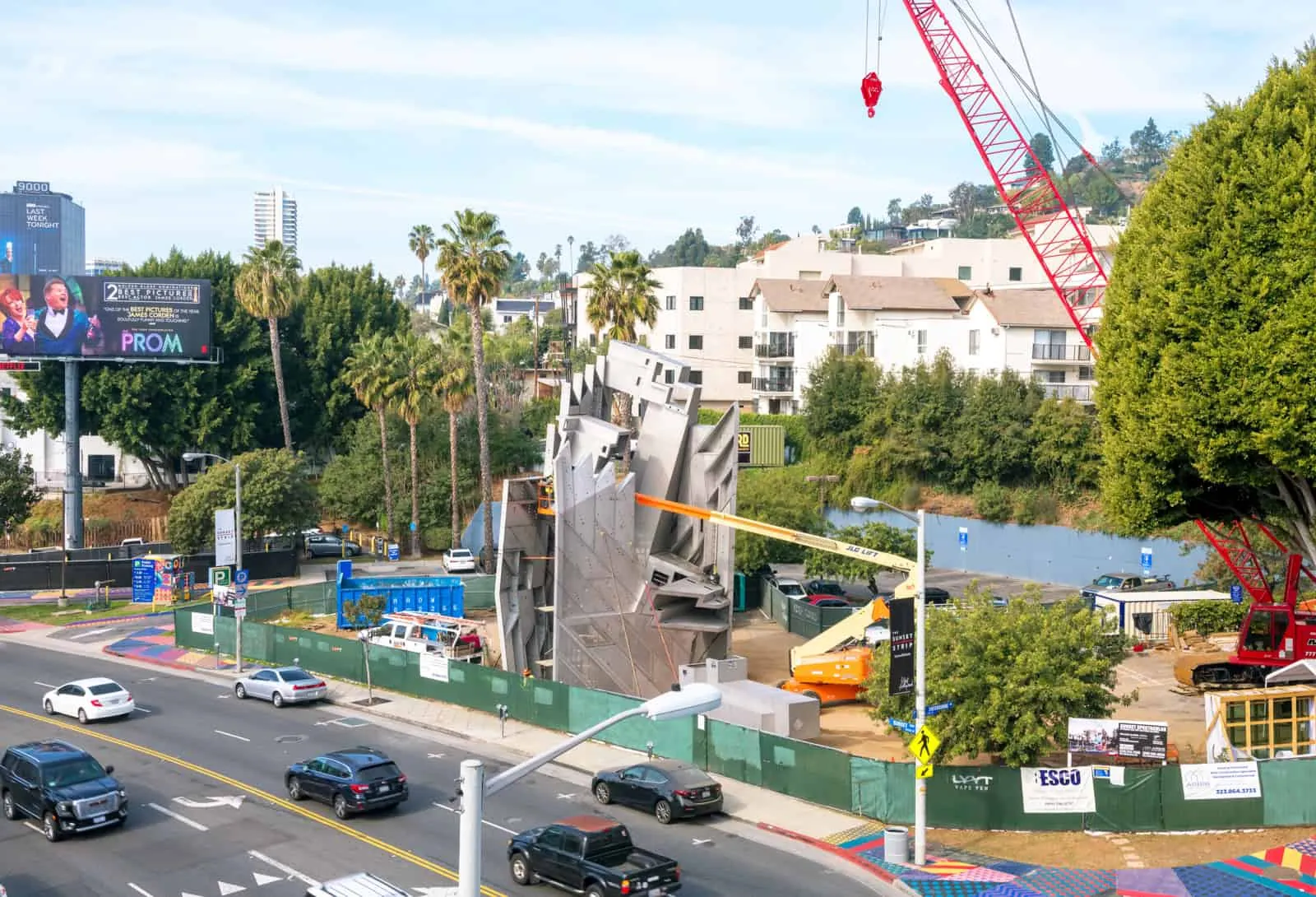
Structural stainless pays for itself in environments where coating and replacing carbon steel is the alternative.
Water and wastewater. Pipe racks, access platforms, ladders, and supports for clarifiers and tanks that live above corrosive basins. See our water and wastewater fabrication.
Power, energy, and chemical. Equipment skids, pipe supports, and structures exposed to process chemicals and washdown. See our power, energy, and chemical work.
Pulp and paper. Platforms and supports in the most aggressive zones of the mill, where uptime depends on structure that does not corrode. See our pulp and paper fabrication.
Architecture, engineering, and construction. AESS and long-life infrastructure where the structure is also the finish.