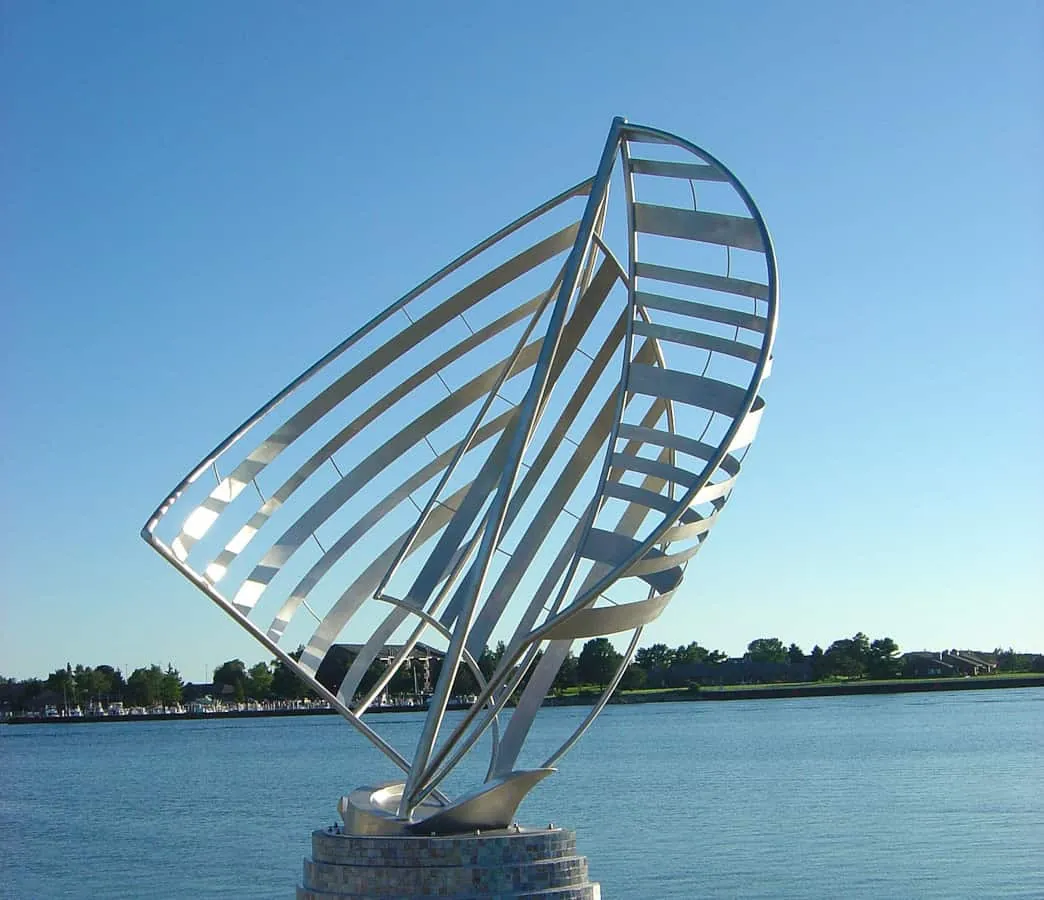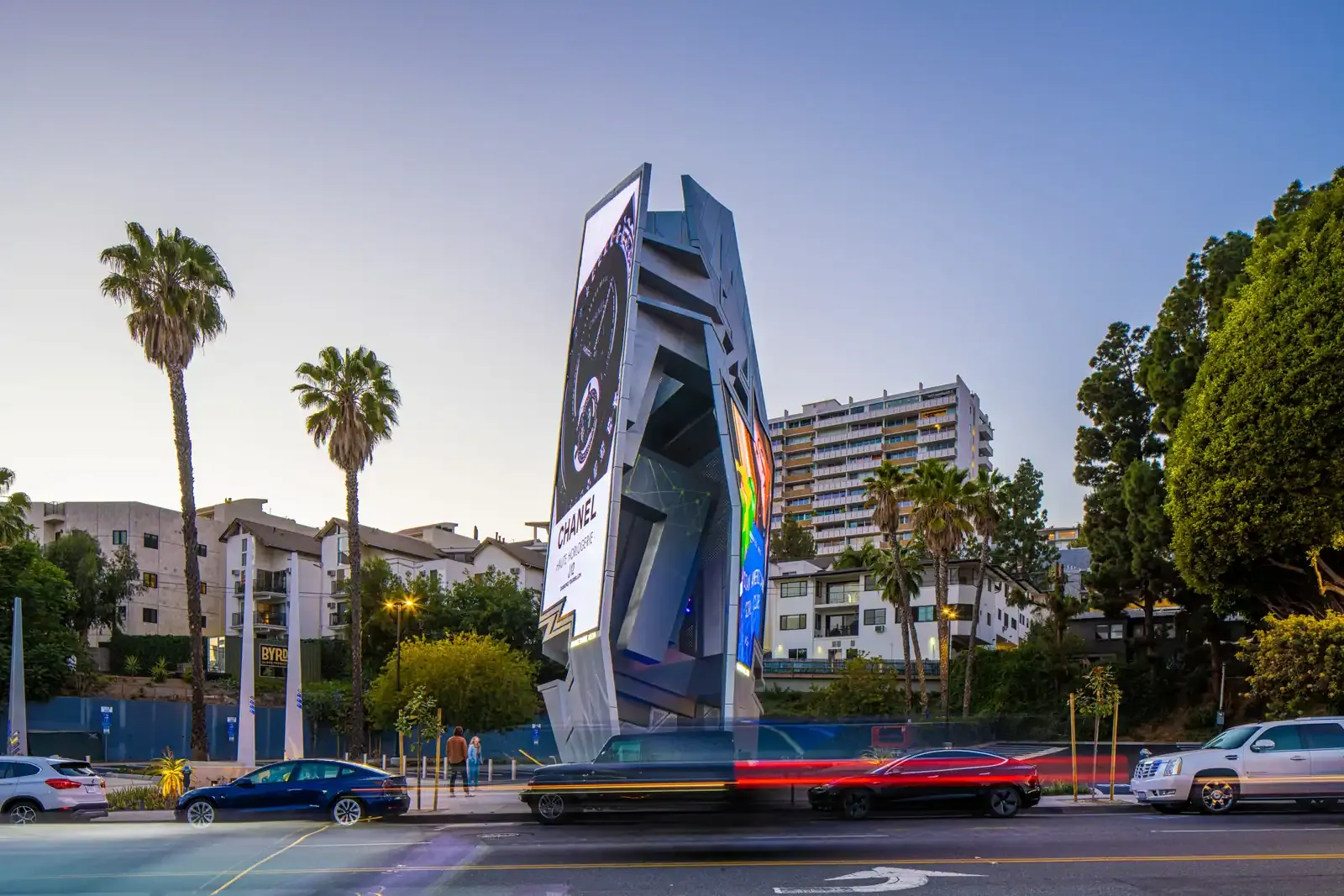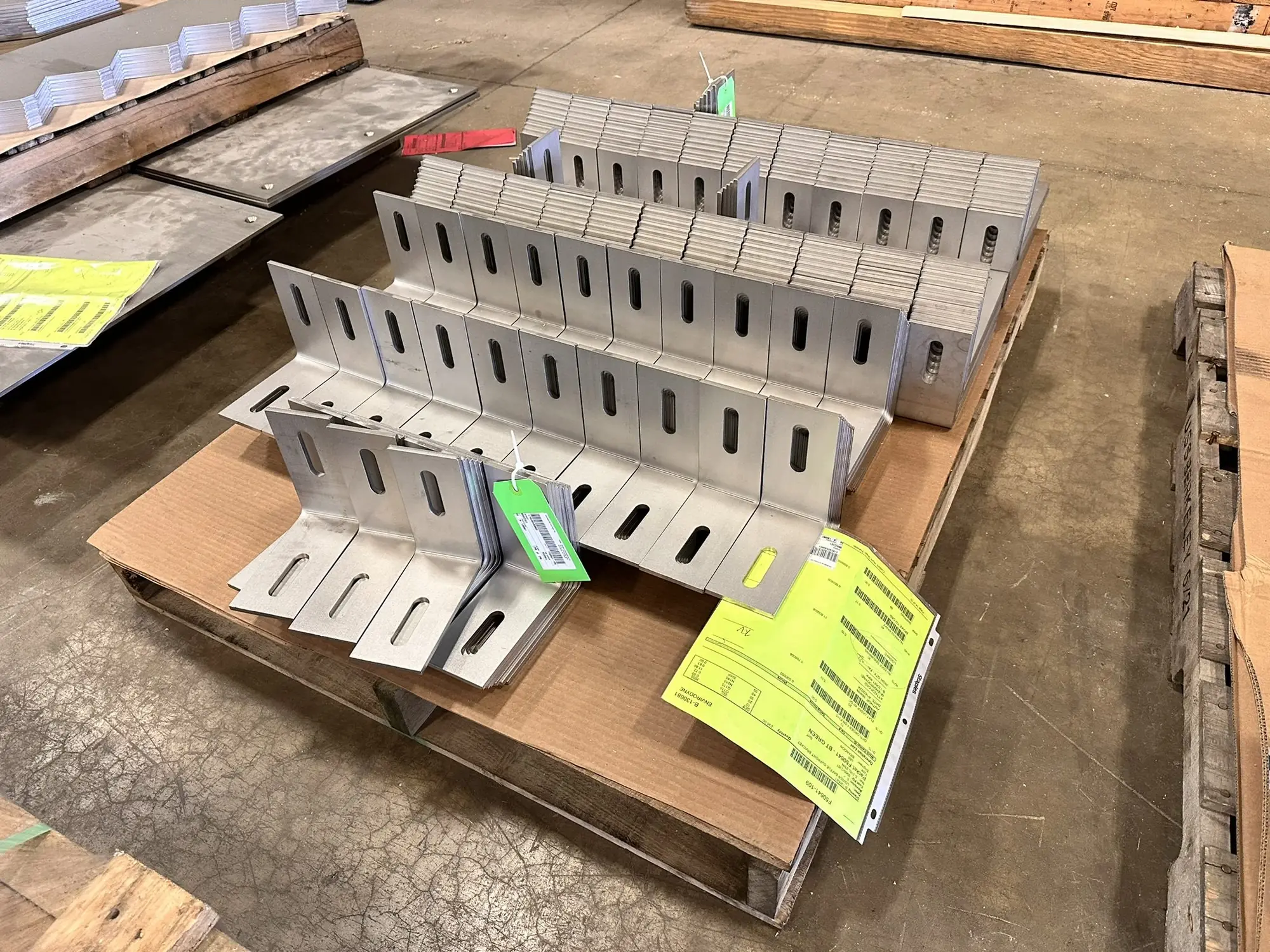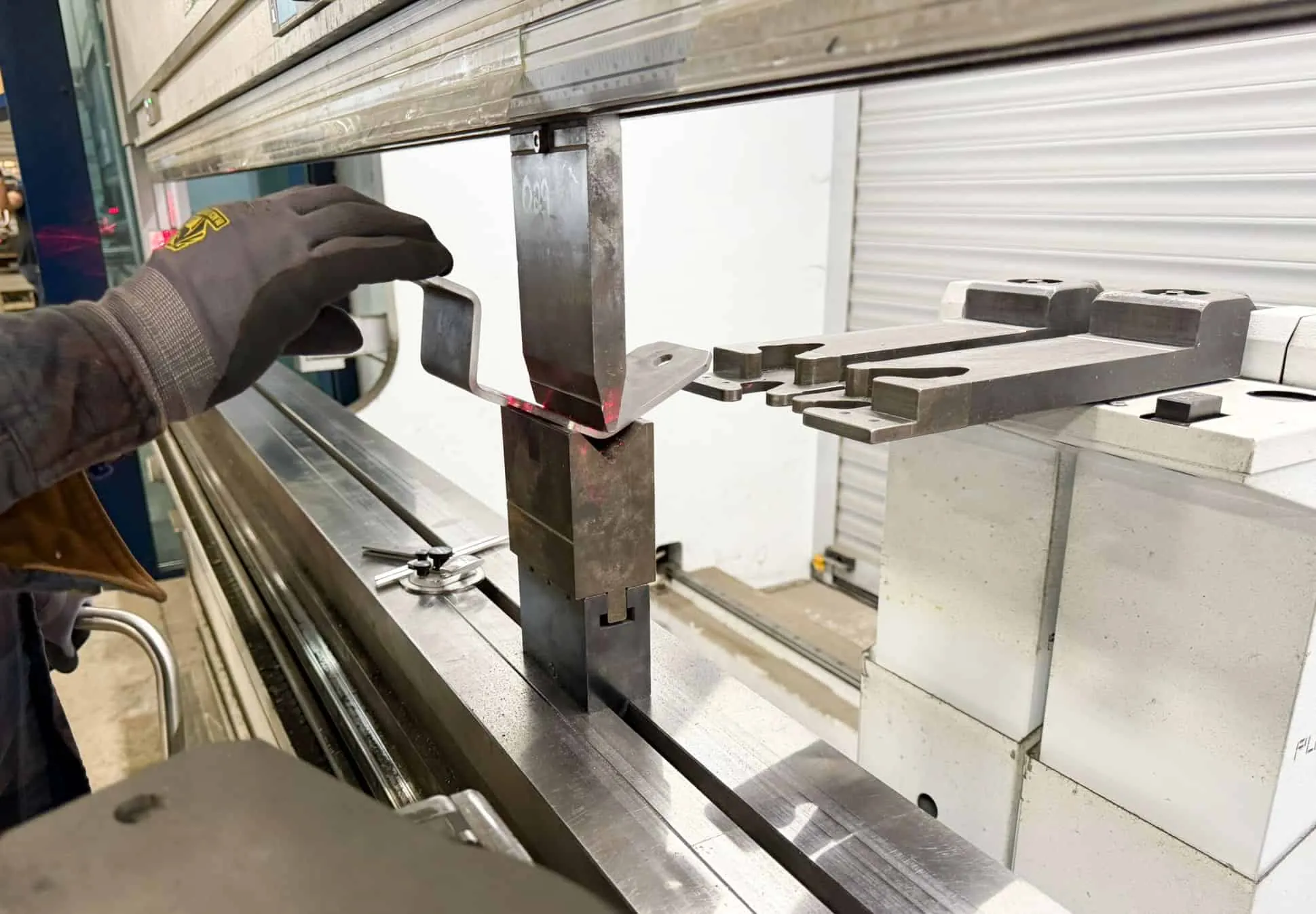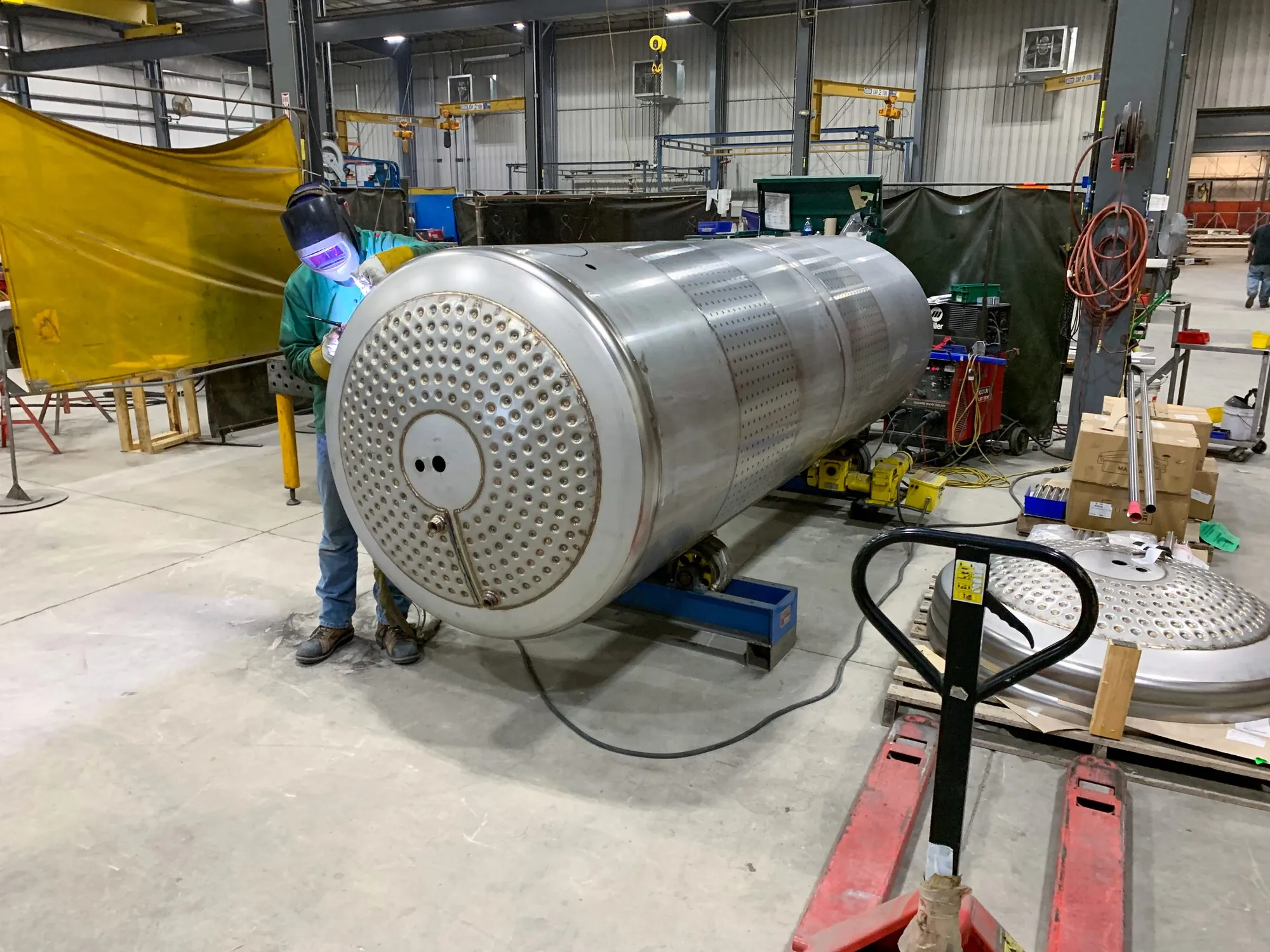
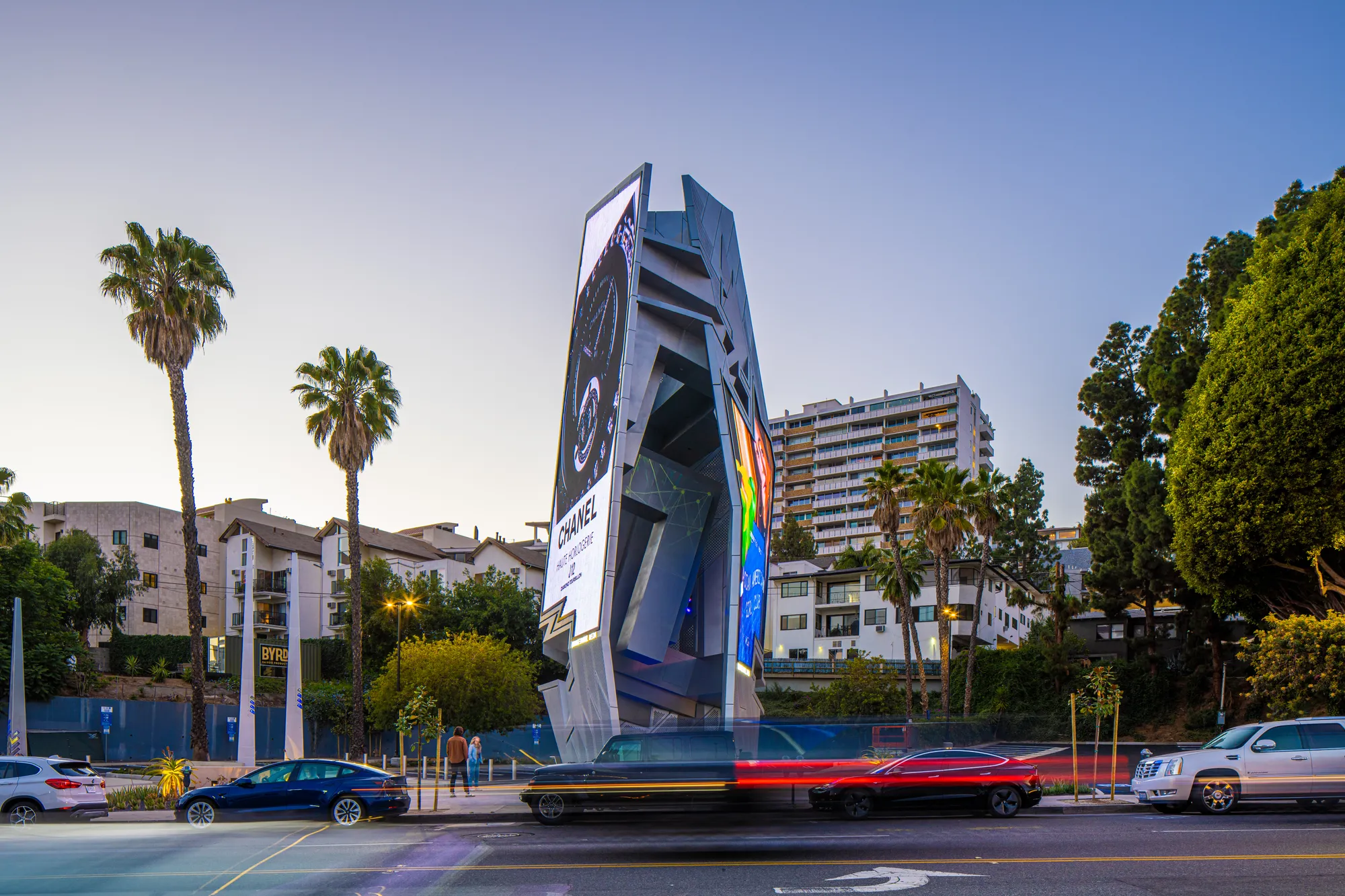
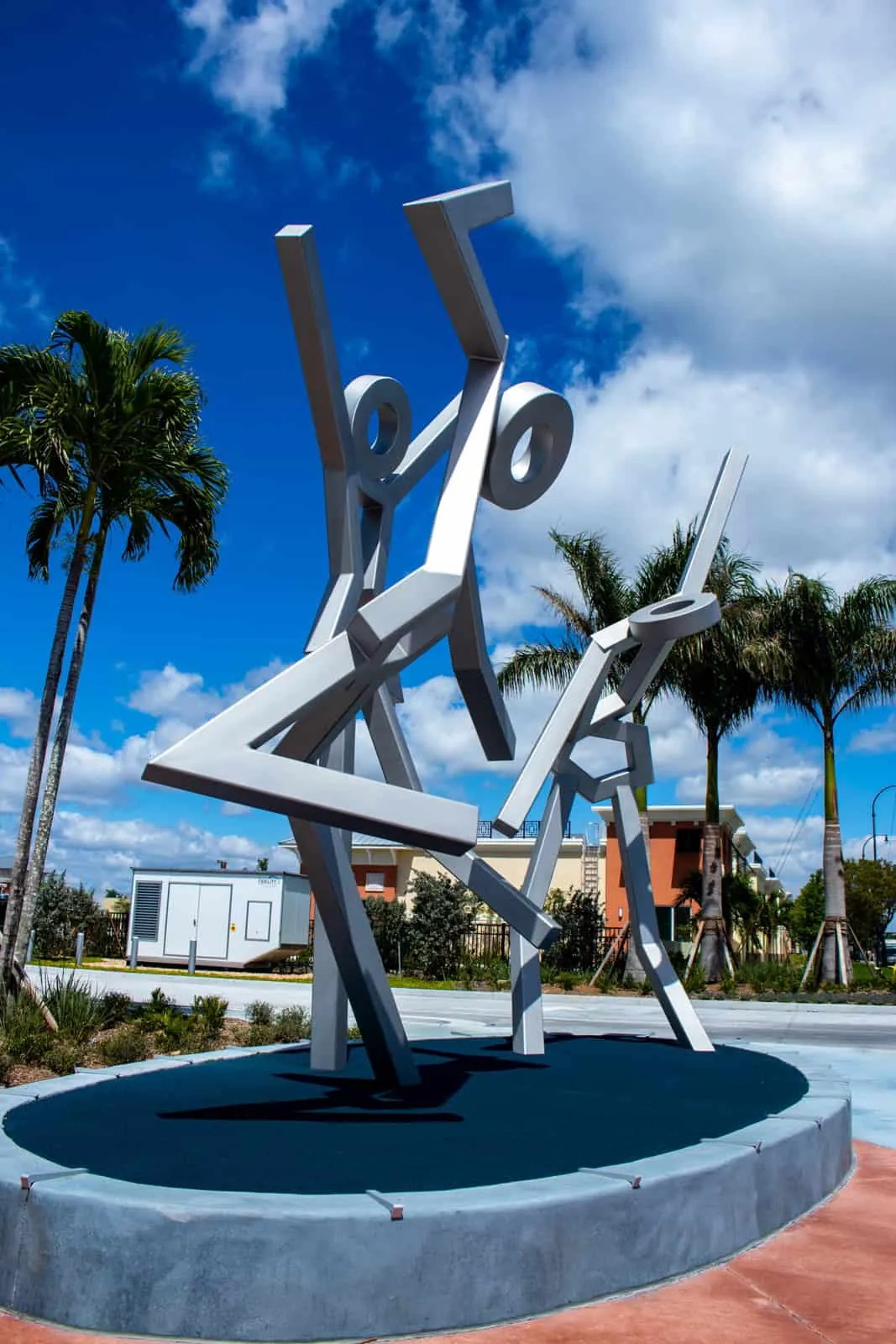
Mirror-polished facade panels, sculptural work, and AESS members with finish samples matched to the architect-approved master.
Northern Manufacturing fabricates custom architectural stainless steel for architects, general contractors, and art installation firms. The work ranges from mirror-polished facade cladding and structural curtain-wall elements to large-scale public art installations. Surface quality is the governing constraint: every weld, grind mark, and forming tool impression is visible in the finished piece. Northern’s 40,000 sq ft stainless-only production space eliminates carbon contamination that would compromise finished surfaces.
60+ AWS-certified welders. ISO 9001:2015 certified (AVU Registrations). 5-axis laser cutting for compound geometries. In-house forming, rolling, and pickling/passivation.
What We Build for Architectural Applications
Facade Panels & Curtain-Wall Elements
Mirror-polished or brushed stainless panels with tight dimensional tolerances for field alignment. Surface finish matched to architect-approved master samples.
Sculptural Features & Public Art Structures
Large-scale stainless structures fabricated to the artist''s or architect''s 3D model. Northern fabricated the Sunset Spectacular on Sunset Blvd in West Hollywood: a multi-story stainless steel structure with complex compound geometry.
Structural Supports & Decorative Frames
Architecturally Exposed Structural Steel (AESS) in stainless, where every member is visible and every weld is a design element.
Handrails, Canopies & Site Furnishings
Exterior stainless elements built to withstand weather exposure while maintaining surface appearance.
Welding for Visible Joints
Architectural stainless demands welds that are both structurally sound and visually clean. Northern's GTAW welders are qualified to AWS D1.6 and trained for AESS-grade weld appearance. Weld beads are ground, blended, and finished to match the surrounding surface so joints read as seamless in the installed piece.
For joints that cannot be mechanically finished (interior corners, enclosed spaces), we specify autogenous GTAW to produce the cleanest possible as-welded appearance.
Surface Finish Control
Architectural stainless fabrication is surface-finish fabrication. The dominant challenge is not strength or corrosion resistance but holding a consistent visible finish across all components of a multi-piece installation. Northern controls surface finish through:
Architect-approved master samples. Before production begins, we create finish samples for approval. These master samples serve as the quality-control reference throughout fabrication.
Controlled mechanical finishing. We hold specified Ra (roughness average) values through consistent grinding and polishing sequences. Common architectural finishes: #4 satin, #7 semi-mirror, #8 mirror, bead-blasted matte.
Dedicated stainless tooling. Grinding wheels, polishing compounds, and work surfaces dedicated to stainless prevent iron contamination that would stain finished surfaces.
Pickling and passivation. Post-weld treatment per ASTM A380/A967 restores the passive layer and removes heat tint without disturbing the mechanical finish.
Design-Assist Fabrication
Architectural projects benefit from fabricator involvement before final design freeze. Northern offers design-assist collaboration where our engineering team reviews 3D models (Revit, Rhino, SolidWorks) for constructability, identifies potential finish-quality risks in complex geometries, and recommends forming sequences that protect surface integrity.
This approach catches issues that surface during fabrication of the first piece, not the fiftieth. The result: fewer RFIs, fewer change orders, and a fabricated product that matches the design intent.