
Fabricating Duplex Stainless Steel: 2205, 2507, and LDX 2101
Duplex grades (2205, 2507, LDX 2101) deliver about twice the yield strength of 316L. We fabricate them under controlled heat input and ferrite verification on every weldment.
Capacity
60 +
AWS-certified welders
3
Duplex grades qualified
78
Welding bays
1951
Fabricating since
The duplex family we fabricate
The duplex family, qualified with ferrite control
Duplex stainless steels combine the strength of ferrite with the corrosion resistance of austenite in a roughly 50/50 microstructure. That balance gives duplex about twice the yield strength of 316L at comparable corrosion resistance, but it also makes fabrication critical: excessive heat destroys the ferrite-austenite balance. We hold qualified procedures and ferrite verification across every grade below.
A cost-effective alternative to 316L with higher strength and comparable corrosion resistance.
The most widely used duplex grade: about twice the yield strength of 316L with excellent chloride pitting resistance.
The highest corrosion resistance in the duplex family, specified for severe chloride environments and elevated temperatures.
We qualify new procedures for grades outside our standard run. Send the spec.
Welding & Fabrication
Welding is the most critical step in duplex
The dual-phase microstructure that gives duplex its properties is also its vulnerability during thermal processing. Controls are tuned to hold the ferrite-austenite balance.
Strict heat input control
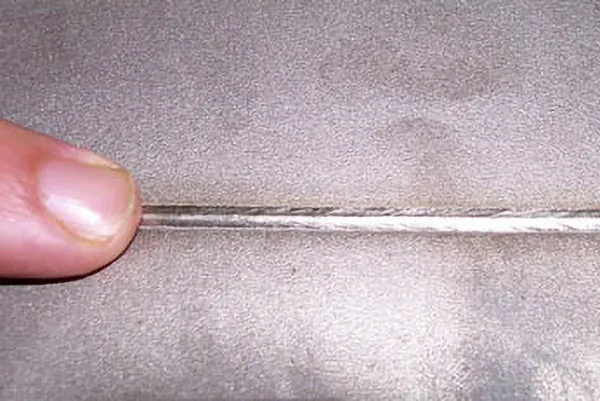
Too much heat shifts the balance toward ferrite and cuts corrosion resistance; too little prevents austenite reformation. Our procedures hold the narrow heat-input band each grade requires.
Interpass temperature management
Duplex interpass limits are more restrictive than austenitic grades. We monitor and enforce them on every pass to prevent sigma-phase formation and preserve toughness.
Qualified welding procedures
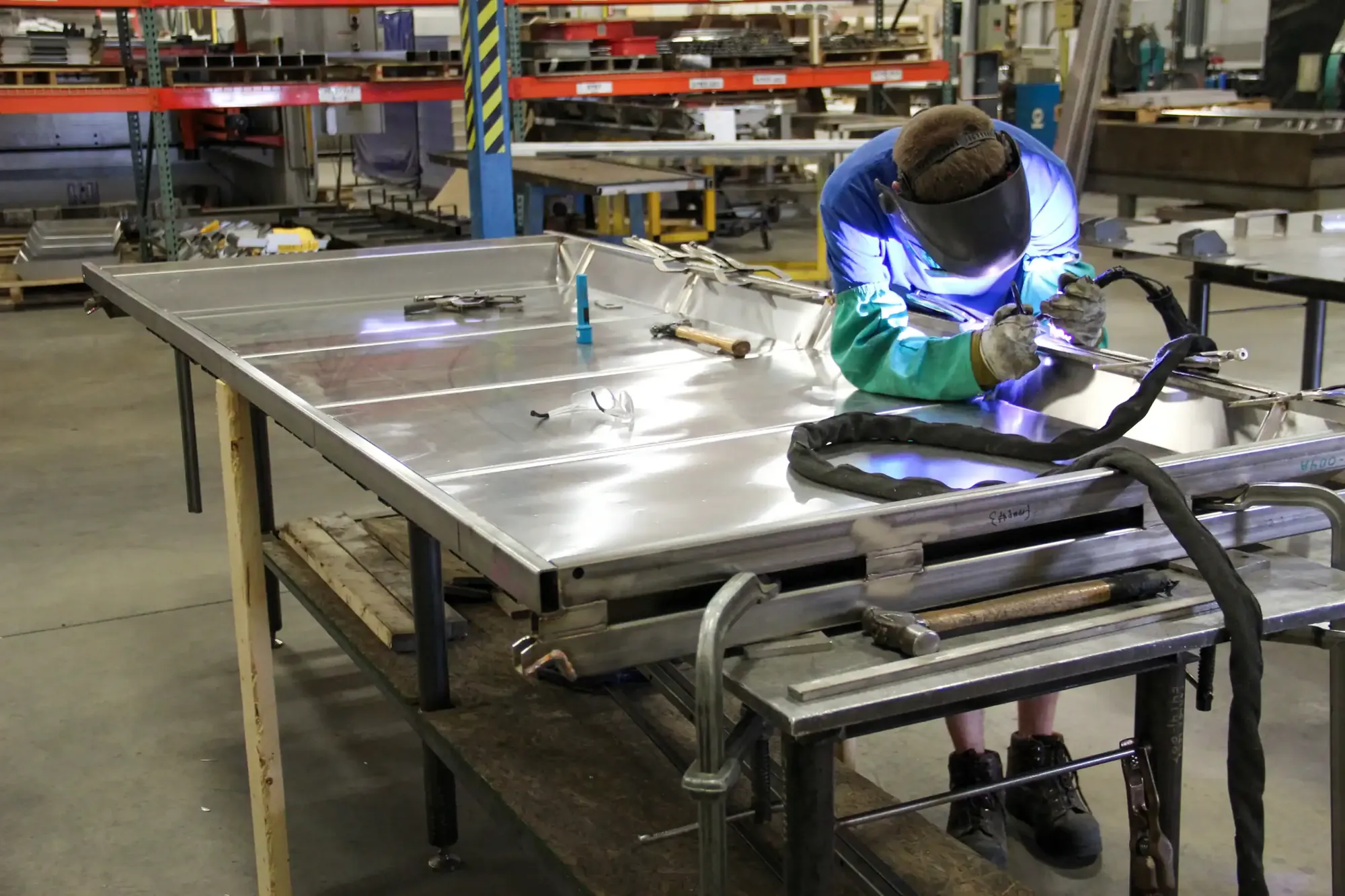
Every procedure is qualified per ASME BPVC Section IX with ferrite measurement in the test coupons. Each WPS specifies heat input, interpass temperature, shielding gas, and filler metal for the grade.
Forming, Rolling & Finishing
Higher forces, grade-specific parameters
Forming forces and pickling chemistry are both tuned to the grade, from springback compensation to restoring the passive layer.
Heavy forming & bending
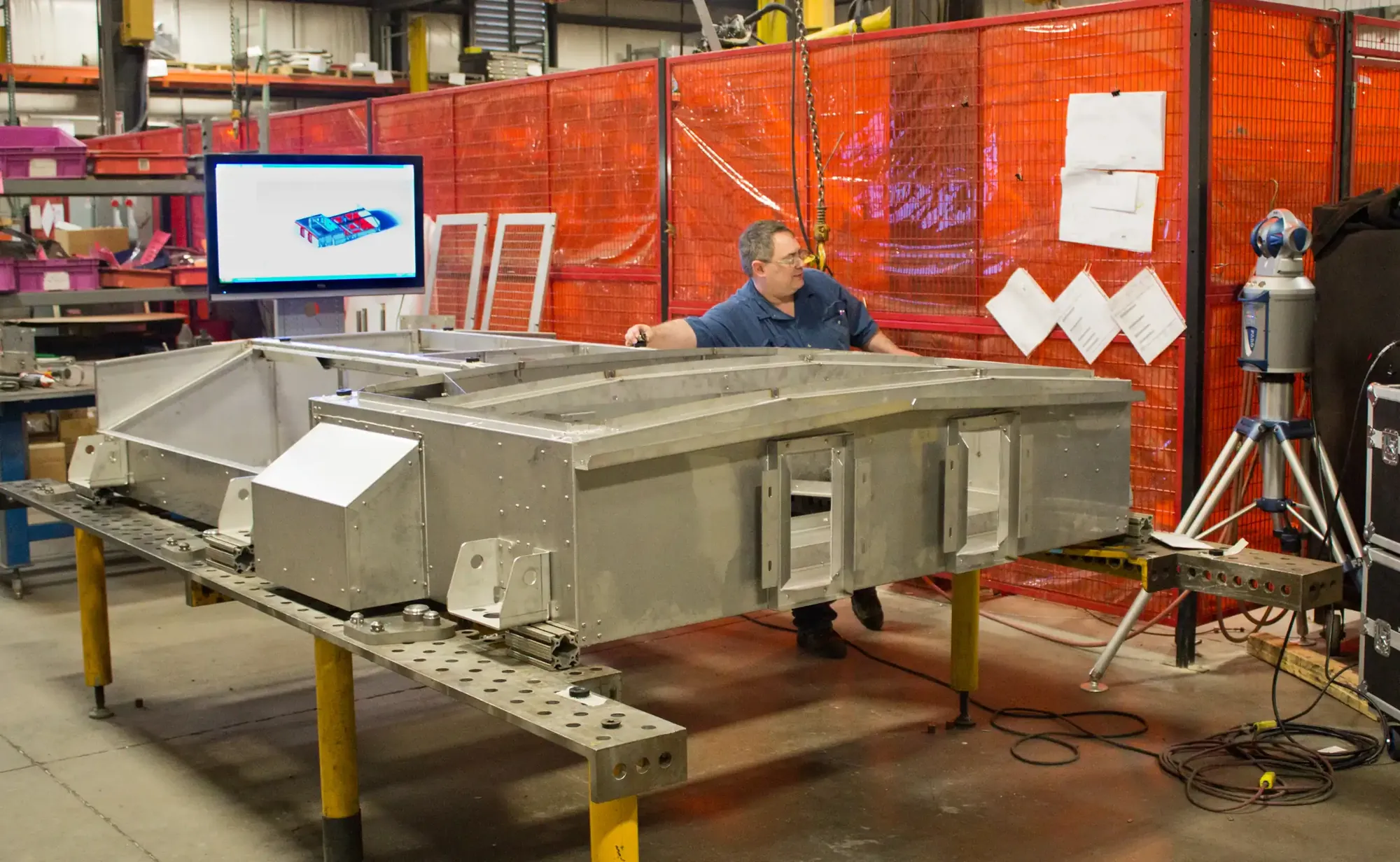
Duplex needs higher forming forces than austenitic grades for its superior yield strength. Our press brakes and tooling are rated for duplex thicknesses, with grade-specific springback compensation.
Cylinder & shell rolling
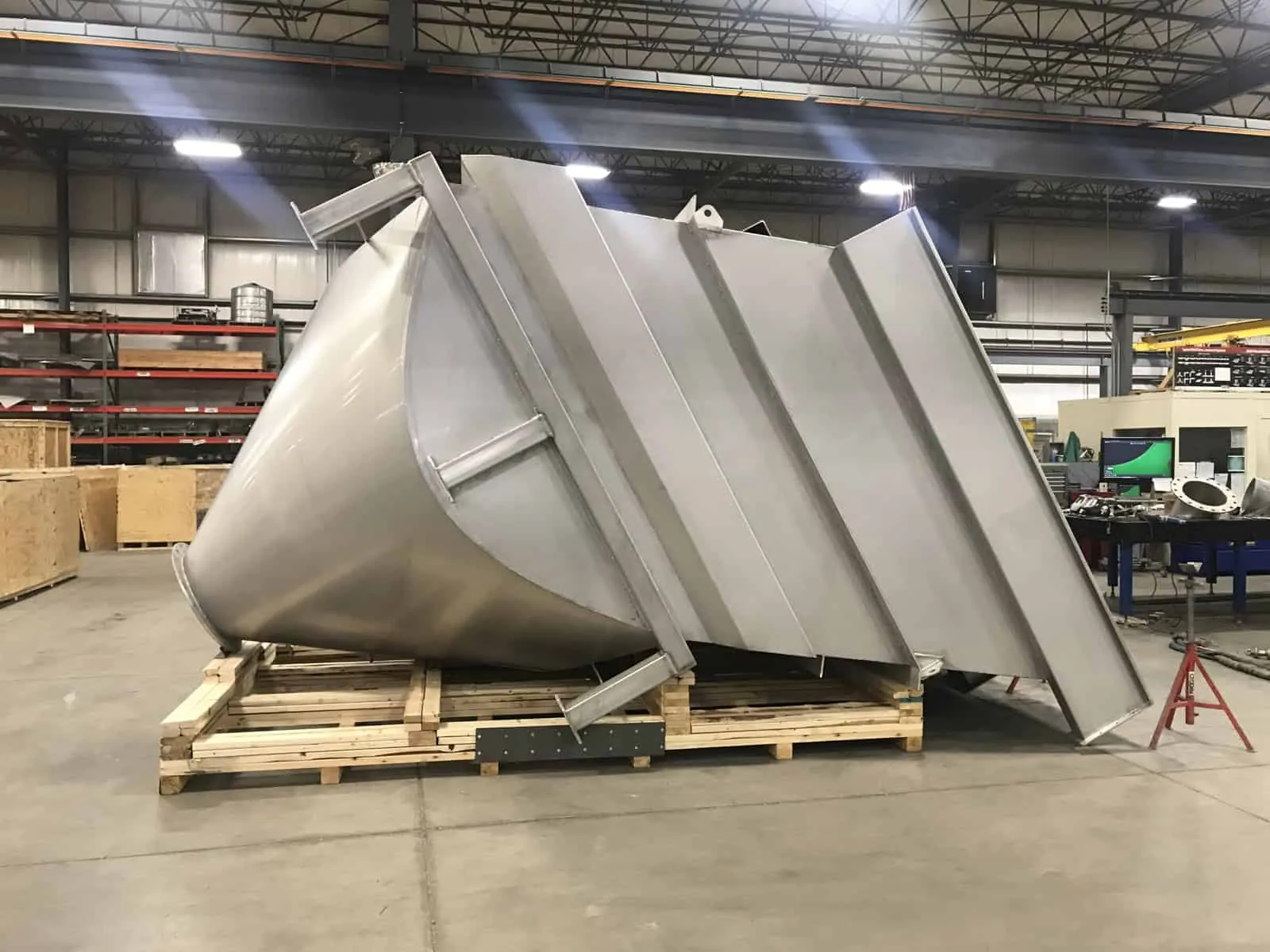
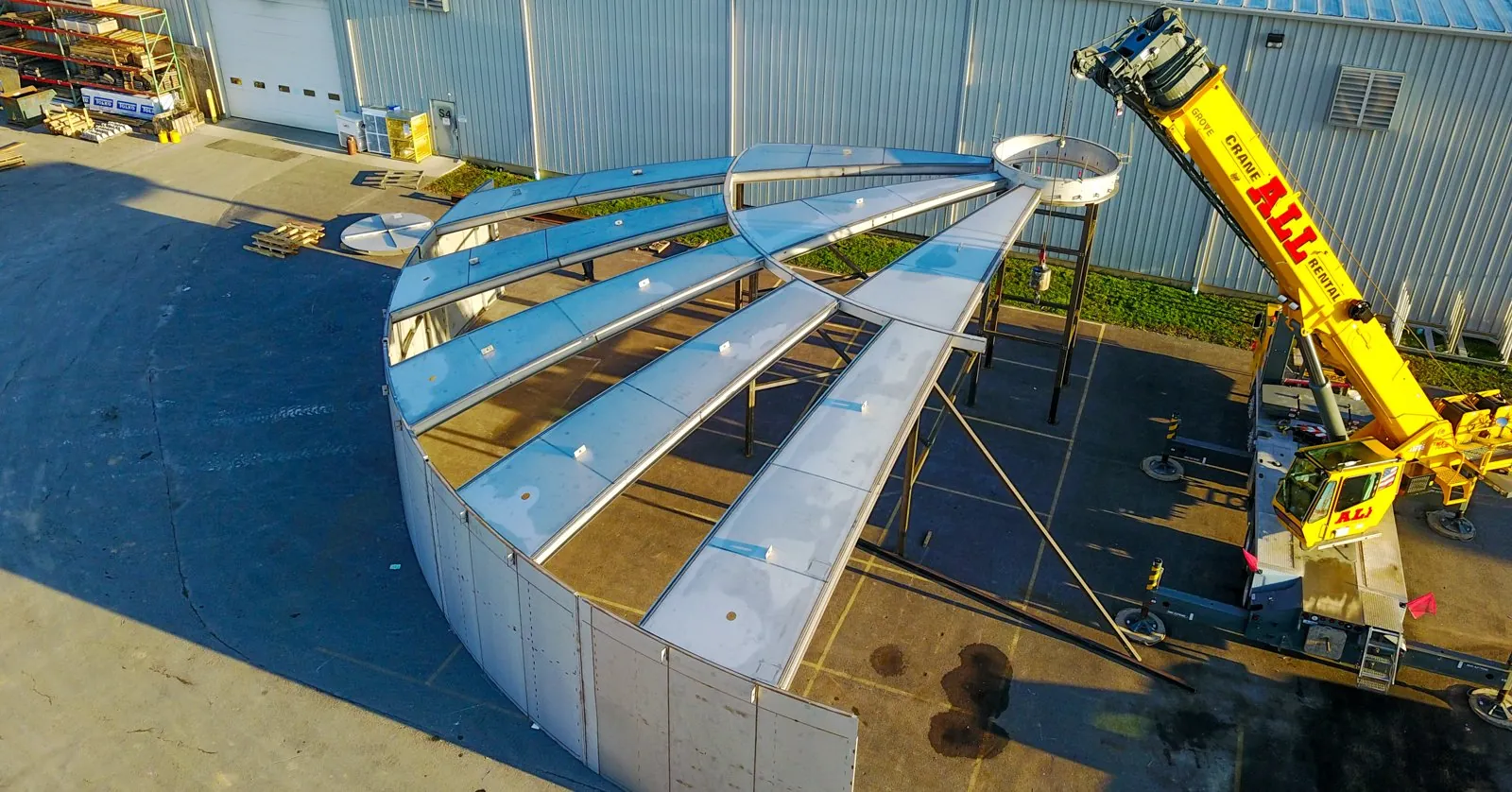
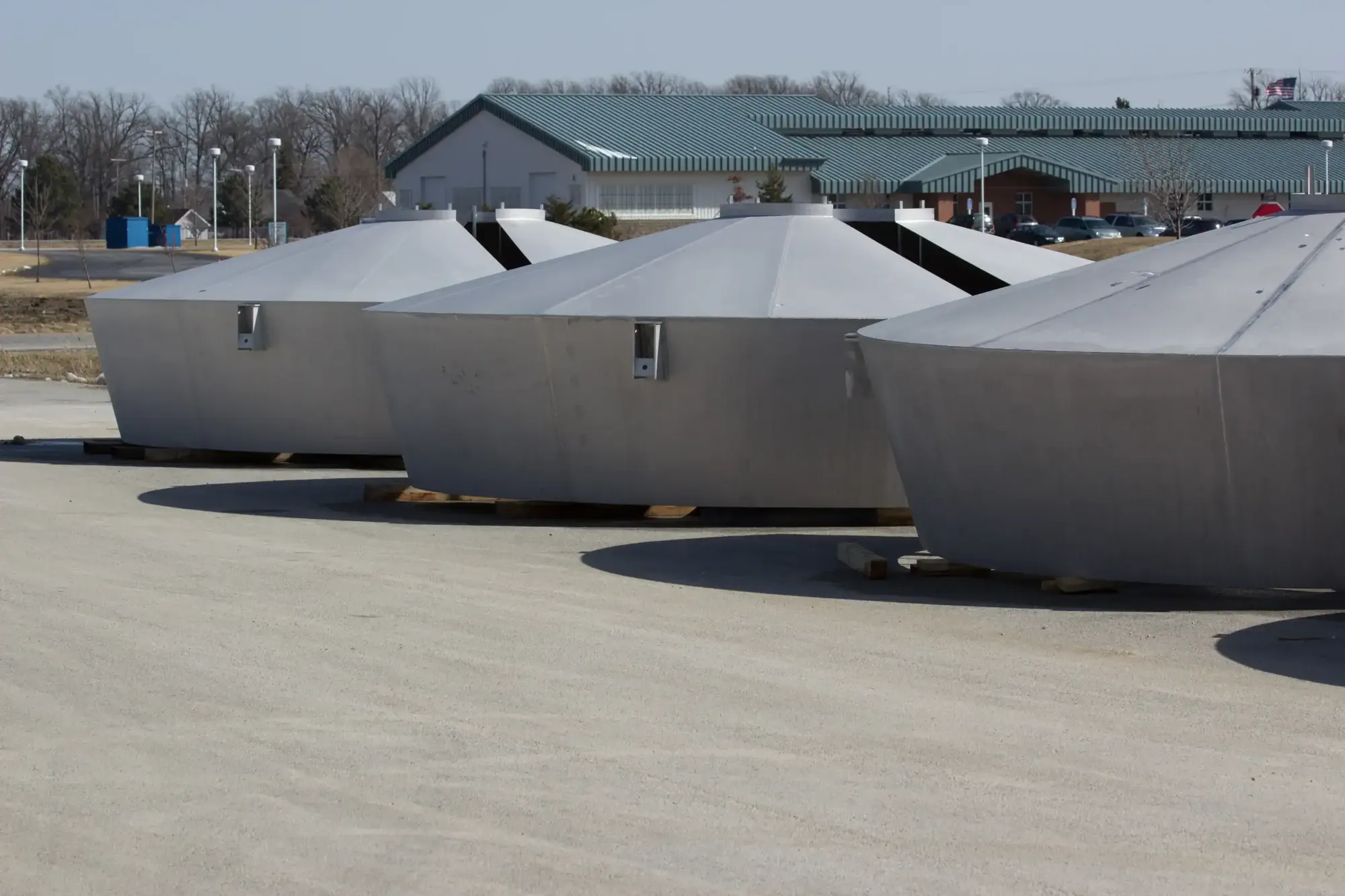
Duplex plate rolled into cylinders and cones for tanks, troughs, and process equipment. Forming parameters are adjusted for the yield strength and work-hardening behavior of each grade.
Pickling & passivation
Post-weld and post-forming [pickling and passivation](/capabilities/pickling-passivation/) per ASTM A380 and A967 restores the passive layer disrupted by thermal processing. Our chemistry is formulated for duplex, which needs different pickling parameters than austenitic stainless.
Why a Specialist
Duplex is unforgiving of uncontrolled thermal cycles
Duplex is unforgiving of uncontrolled thermal cycles. A non-specialist can introduce brittle intermetallic phases like sigma by failing to control thermal cycles, destroying the toughness and corrosion resistance and creating a part that fails in the field. We build to the grade your engineer specified, and we hold the thermal controls that make it perform.
Qualified procedures and enforced heat-input and interpass windows prevent the costly field failures that occur when a fabricator cannot hold the tight thermal controls duplex demands.
We enforce rigid controls over every thermal operation, from welding to hot forming, to prevent deleterious phases. Ferrite content is measured on production weldments, not just test coupons.
As an ISO 9001:2015 certified fabricator with ASME BPVC Section IX qualified procedures and a CWI on staff, we provide the documentation and traceability your most critical quality audits require.
Quality Assurance
Duplex-specific inspection at every stage
Where It Runs
Industries that depend on duplex stainless
The grades that hold up where chloride, pressure, and strength-to-weight all matter at once.
Have a duplex stainless project on the board?
Other Materials We Fabricate
Beyond the duplex family
Processes we run on this alloy
The in-house capabilities behind every build in this alloy, from laser cutting to final passivation.
Frequently asked questions
What engineers and procurement managers ask us about fabricating duplex stainless steel: 2205, 2507, and ldx 2101.
How much stronger is 2205 than 316L, and how does its PREN compare?
2205 carries roughly twice the yield strength of 316L, so you can specify thinner sections at the same load. On corrosion, 2205 runs a Pitting Resistance Equivalent Number (PREN) near 35 against roughly 24 for 316L, so it tolerates higher chloride exposure before pitting. We run both and confirm at quote review whether the strength and chloride margin of 2205 earns its place on your part.
What PREN do I need for seawater-class chloride service?
Seawater and severe chloride service generally call for a super duplex with a PREN around 40 or higher. 2507 runs a PREN near 43, which is why it is specified for desalination components, seawater handling, and high-temperature chloride environments. Send the service chemistry and temperature and we will confirm whether 2205 (PREN ~35) is sufficient or the part needs 2507.
Why does sigma phase matter so much on 2507?
Sigma phase is a brittle intermetallic that precipitates when duplex dwells too long around 600 to 1000 C, and the higher chromium and molybdenum of 2507 makes it precipitate faster than on 2205. Even a small fraction collapses toughness and corrosion resistance. We control it by holding heat input and interpass temperature inside the qualified band on every pass, keeping the weld and heat-affected zone out of the precipitation window.
How do you verify the ferrite-austenite balance on duplex welds?
Ferrite is measured on production weldments with calibrated instruments, not only on qualification coupons. The target band comes from procedures qualified to ASME BPVC Section IX (P10H for 2205), and verifying it on actual production welds confirms the heat input and interpass control held the roughly 50/50 balance that gives duplex its strength and corrosion resistance.
Which filler metals do you use for duplex welding?
Standard duplex such as 2205 is welded with an over-alloyed filler like ER2209, which adds nickel to drive austenite reformation so the deposit matches the base-metal balance. Super duplex such as 2507 uses a matching super duplex filler like ER2594. The filler is specified in the qualified WPS for each grade.