Northern Manufacturing
Quote
Menu
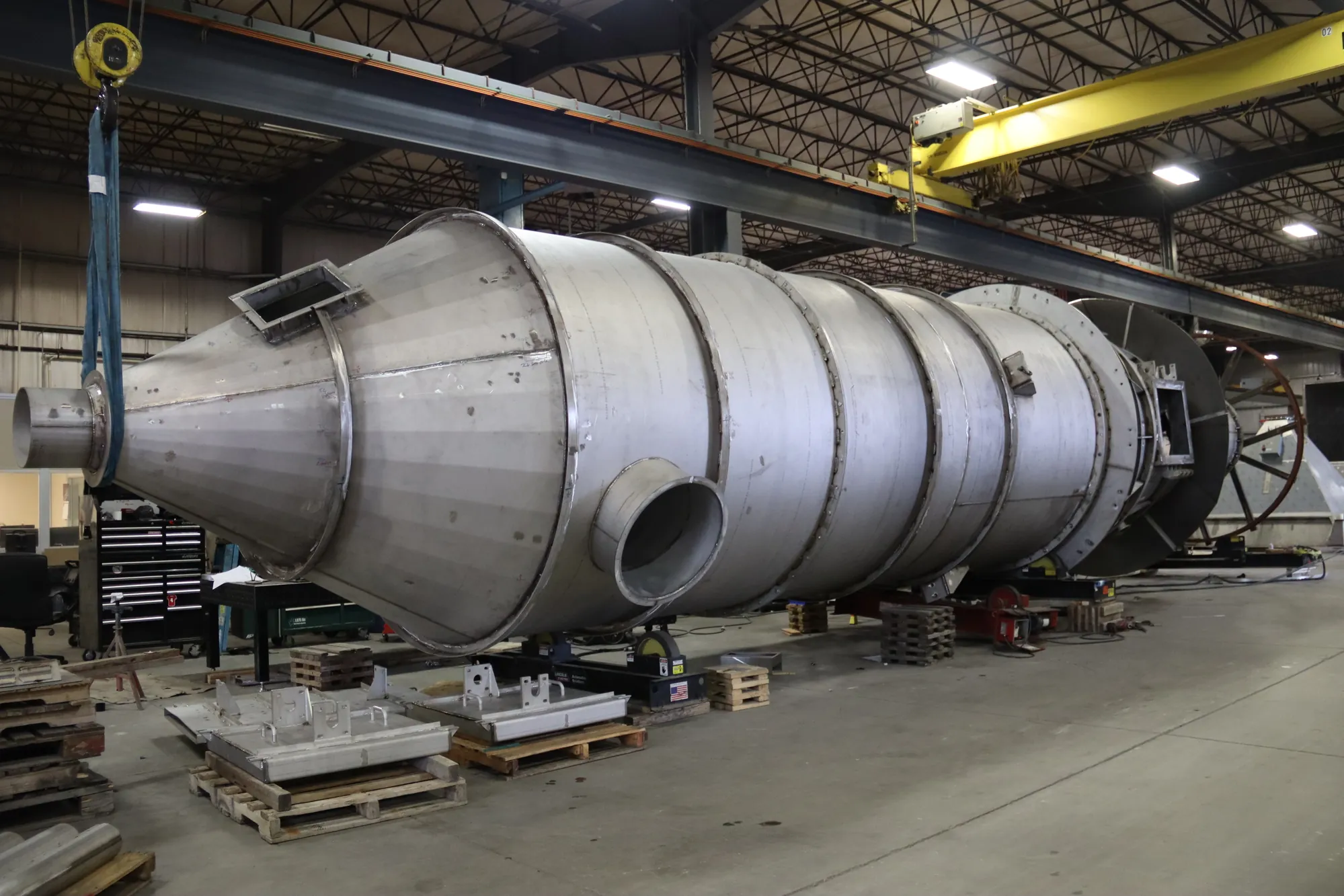
Identical robotically welded stainless steel tubular weldments with drilled clevis end plates stacked on wood blocking outside Northern Manufacturing
Part of Stainless Fabrication

Custom Stainless Steel Beam Fabrication

ISO 9001:2015 · AWS D1.6 / D1.1 · ASME BPVC Section IX · AWS CWI on staff qualified. Oak Harbor, Ohio.

  • 304 / 316L Stainless
  • Duplex 2205 / 2507
  • AL-6XN
  • Hastelloy C-276 / C-22
  • Carbon Steel
Qualified ISO 9001:2015 AWS D1.6 / D1.1 ASME BPVC Section IX AWS CWI on staff
Docs shipped MTRs Weld maps WPS/PQR NDE PMI CoC
12 kW

Fiber laser cutting beam plate

1.25 in

Stainless plate thickness, laser cut

60 +

AWS-certified welders

1951

Fabricating metal since

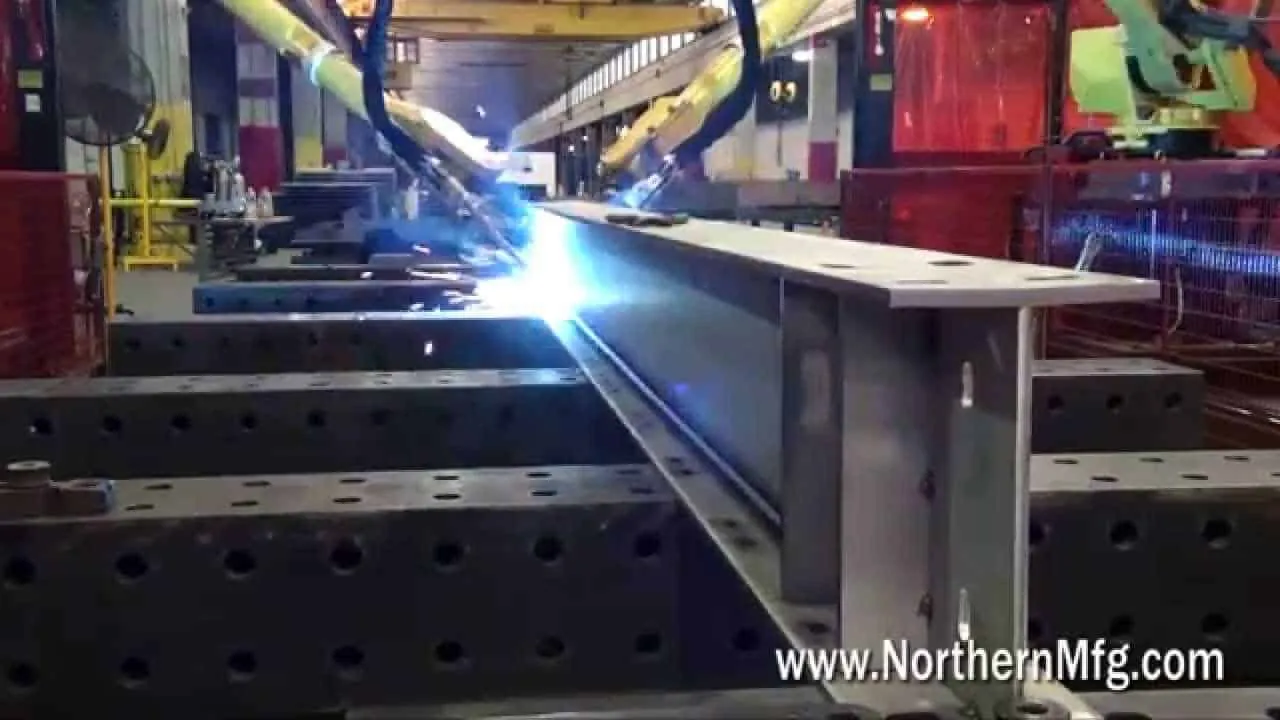
When no mill rolls the stainless section your design calls for, we build it: web and flanges laser cut from plate on a 12 kW fiber laser, then stitch welded straight in robotic cells with laser vision seam tracking.

Northern Manufacturing fabricates custom stainless steel I-beams, plate girders, and built-up structural sections from plate at our Oak Harbor, Ohio shop. Web and flange blanks are cut on a 12 kW Trumpf TruLaser 5040 Fiber laser (stainless plate to 1.25 inches), welded in robotic cells with laser vision seam tracking, and finished by AWS-certified welders working to AWS D1.6 qualified procedures. If the grade exists as plate, the beam can exist: 304L, 316L, duplex 2205 and 2507, AL-6XN, Hastelloy, and carbon steel.

ISO 9001:2015 certified by AVU Registrations (IAS-accredited, certificate #00157-4). AWS Certified Welding Inspector (CWI) on staff, weldment tolerances to ISO 13920, and a 60+ welder department behind the robots. Robotic stitch welding is what makes a one-off section price-competitive with standard shapes: automation takes the labor hours out of the long repetitive seams.

Why Fabricate the Beam Instead of Buying It

Sourcing stainless structural sections is a three-way squeeze. Mills roll a short list of stainless shapes, specialty grades are rarely rolled at all, and the sections that do exist carry distributor pricing and minimum buys sized for stockists rather than projects. An engineer who needs four duplex beams at a custom depth is not the customer that supply chain was built for.

Building the beam from plate changes the constraint set:

  • Material flexibility. Plate is stocked and traded in every grade we run. A beam in 2205, AL-6XN, or Hastelloy C-276 starts from the same plate supply as our tanks and frames, with MTRs traced by heat number.
  • Design freedom. Depth, flange width, and web thickness are variables in your model, not fixed catalog rows. Tapered webs and variable-depth profiles cost a cut file, not a custom mill run.
  • One vendor, one standard. The beam, the frame it bolts into, and the assembly on top of it can all come off the same floor under the same ISO 9001:2015 system.

What We Build

I-beams and wide-flange equivalents in custom dimensions, plate girders for spans and loads the rolled catalog skips, tapered and variable-depth members, and built-up sections with stiffeners, bearing plates, copes, and bolt patterns already in place. Connection details are cut into the flat blank on the laser, so holes land where the model says instead of where a magnetic drill wandered.

We fabricate to your engineer’s print. Section sizing, load calculations, and code design responsibility stay with the engineer of record; our job is to produce the member exactly as drawn and prove it with documentation.
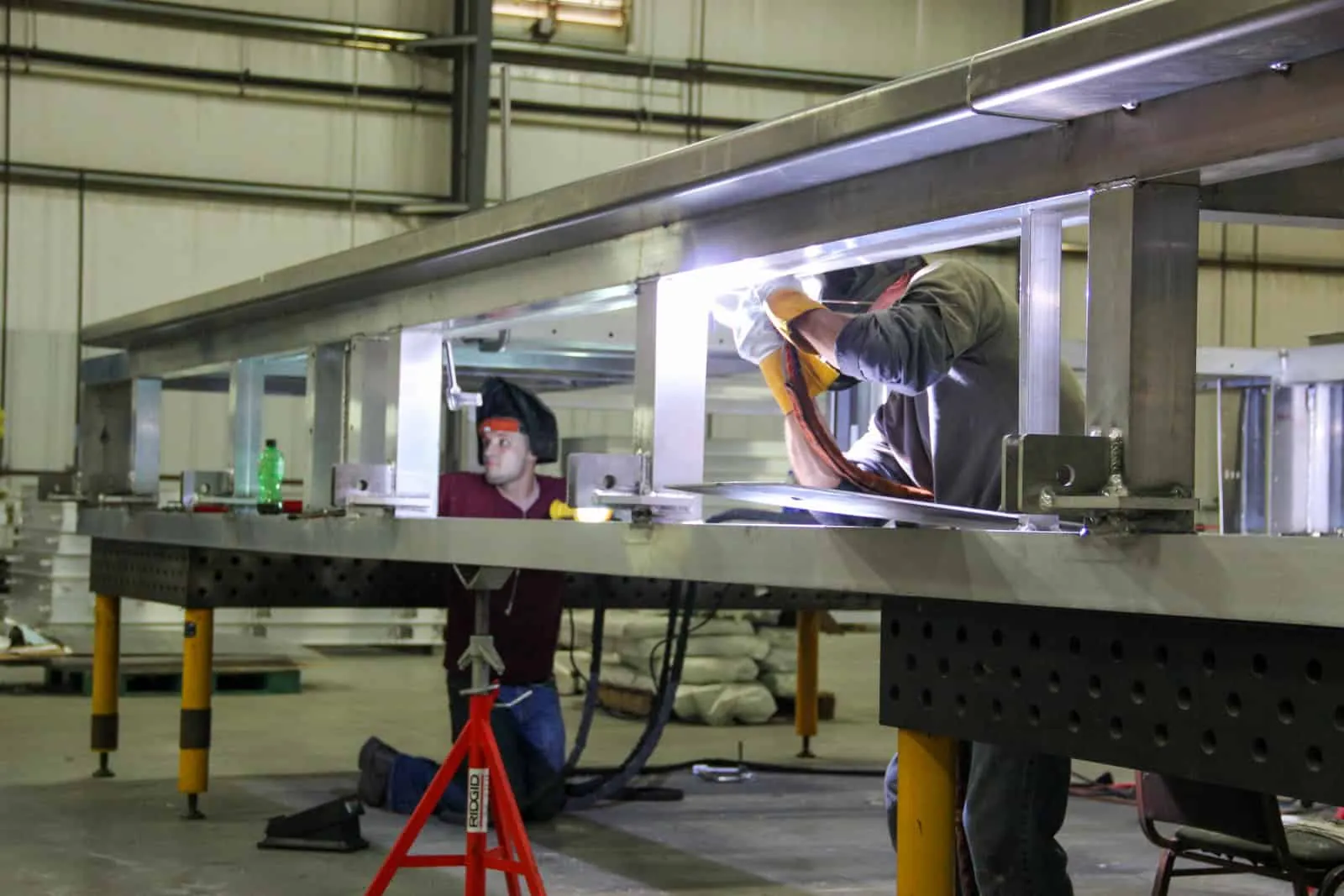
Northern Manufacturing welder running a GTAW pass on a stainless steel panel assembly clamped to a fixture table

How a Beam Gets Built

StepMachine or processWhat happens
Web and flange blanksTrumpf TruLaser 5040 Fiber, 12 kWCut from plate to 1.25 in with weld preps, copes, and bolt patterns in the flat
Fit-up and tackingFixtured fit-up by our craftsmenWeb set square to flanges, camber built in where the drawing calls for it
Web-to-flange seamsRobotic stitch welding with laser visionStitches placed on the actual joint, heat balanced side to side
Continuous heavy seamsSubmerged arc welding (SAW)Full-length girder welds at high deposition with a consistent bead
Details and tie-insManual GTAW / GMAWStiffeners, end plates, and bearing details to AWS D1.6 WPS
VerificationLeica AT960 laser tracker, ISO 13920Camber, sweep, and connection locations checked against the CAD model

The robotic cells are the reason this process beats a milled section on cost for so many jobs. A beam is long, repetitive welding, which is exactly what a robot does best, and the laser vision system adapts each stitch to the joint as built rather than the joint as programmed. Fit-up variation and heat distortion get absorbed instead of becoming rework.

Straight Beams Are a Heat Problem

Every weld on a beam pulls it. Lay all the stitches down one side and the member sweeps like a banana; stack heat too fast and it twists. Our approach treats straightness as a welding-sequence parameter: stitch patterns alternate sides to balance heat input, interpass discipline comes from the same procedure culture as our stainless welding department, and alignment is checked during fabrication rather than discovered at final inspection.

Tolerances follow ISO 13920, with Class B/F as the shop default and Class A/E available for precision weldments. On critical members we put a Leica AT960 laser tracker on the finished beam and report camber, sweep, and hole locations against your model. That measurement discipline is the same one that held a 100-foot stainless trough straight within 1/8 inch.
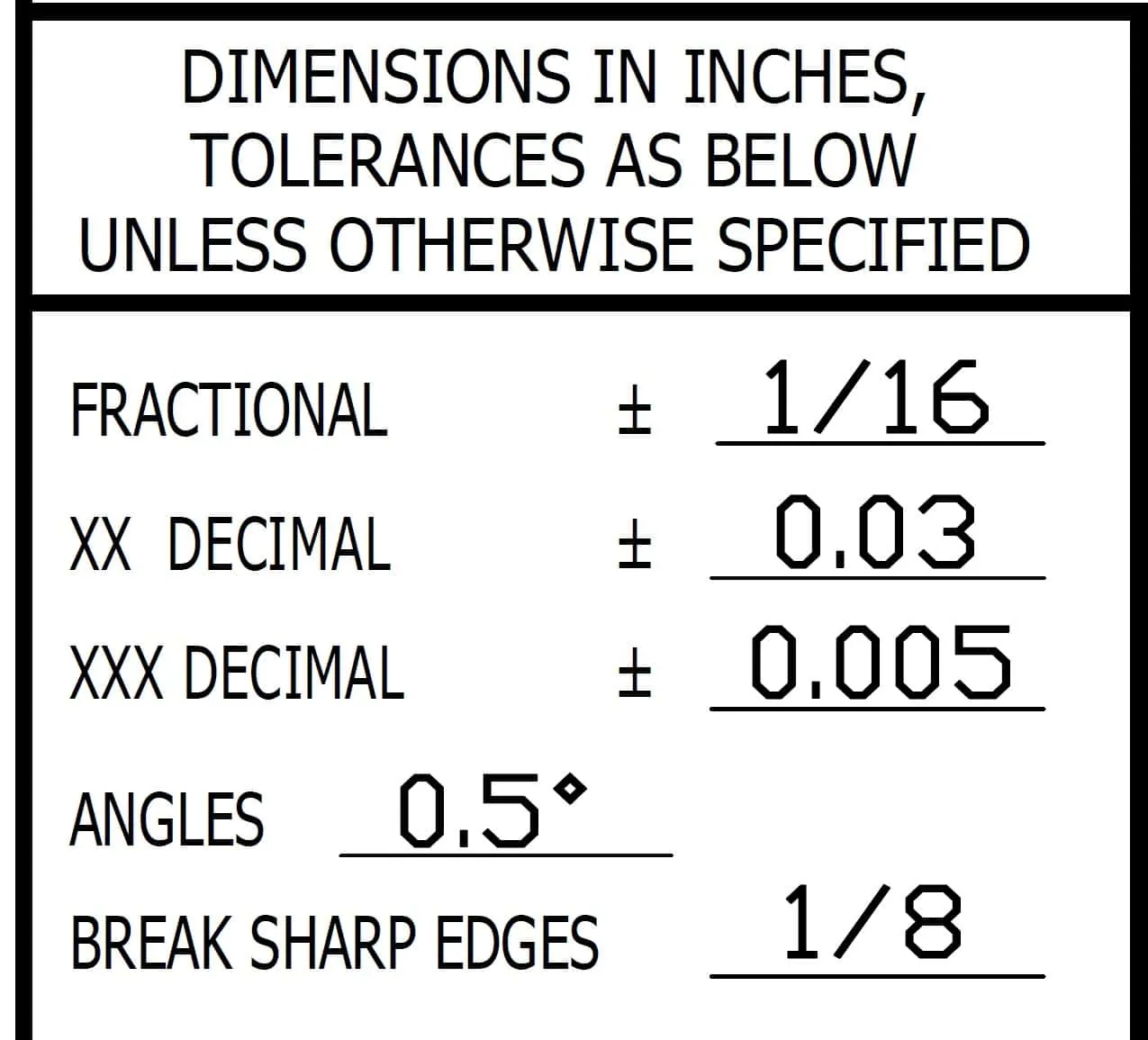
Engineering drawing tolerance block specifying fractional, decimal, and angle tolerances in inches

Quality Documentation

Every fabricated beam ships with a package built for a structural file:

  • Material Test Reports (MTRs) traced by heat number for web, flange, and detail material
  • Weld maps tying each joint to its WPS and welder
  • AWS D1.6 WPS and WPQ packages for the procedures used on the member
  • NDE reports (VT, PT, RT, UT) as specified on the drawing, performed in-house
  • Dimensional records, including laser tracker reports when specified
  • Certificate of Conformance to your purchase order

If your spec calls for PMI on specialty alloys or ferrite measurement on duplex members, both run in-house and the records go in the same package.

Custom Stainless Steel Beam Fabrication processes we run

Process selection is driven by material, joint geometry, and the tolerance the print calls out.

  • Laser-cut webs and flanges

    Primary

    The 12 kW Trumpf TruLaser 5040 Fiber cuts web and flange blanks from plate up to 1.25 inches thick, with weld preps, copes, and bolt patterns cut in the flat before the first arc strikes.

    Plate to 1.25 in

  • Robotic stitch welding

    Primary

    Long interrupted web-to-flange welds laid by robotic cells with laser vision seam tracking. The vision system finds each joint as built, so stitch placement stays on the joint even after the beam moves with heat.

    Long structural seams

  • Submerged arc welding

    Continuous full-length seams on heavy plate girders where the drawing calls for an unbroken weld. High deposition with a consistent bead profile over multi-hour runs.

    Heavy girder seams

  • Manual GTAW / GMAW details

    End connections, stiffeners, bearing plates, and tie-ins welded by AWS-certified welders to the same D1.6 procedures as the automated seams.

    Connection details

  • Tapered and variable profiles

    Depth transitions, tapered webs, and asymmetric flanges are geometry in the cut file, not a special order. The laser cuts whatever profile the model defines.

    Custom geometry

  • Dimensional verification

    Camber, sweep, and connection locations checked against your CAD model. Large or critical beams are verified with a Leica AT960 laser tracker before they ship.

    ISO 13920 tolerances

Equipment running this process

Named gear on the floor, not a stock-photo list. Availability and fit-for-purpose confirmed during quote review.

  • Trumpf TruLaser 5040 Fiber: 12 kW, stainless plate to 1.25 in
  • Trumpf TruLaser 3060 flat-bed laser for sheet components
  • Robotic welding cells with laser vision seam tracking
  • Submerged arc welding stations for continuous girder seams
  • 78 manual welding bays for details and tie-ins
  • Leica AT960 laser tracker for camber and sweep verification

Have a WPS or drawing to review?

Request a Quote

Need a stainless beam size or grade the mills don't roll?

Or call (419) 898-2821

Request a Quote

Industries that depend on this

Click through for the product and the proof, industry by industry.

Frequently asked questions

What engineers and procurement managers ask us about custom stainless steel beam fabrication.

Why fabricate a stainless beam instead of buying a rolled section?

Mills roll a narrow range of stainless structural shapes, and specialty grades like duplex 2205 or AL-6XN are often not available as beams at any price. Minimum order quantities and distributor lead times on milled stainless sections are built for stockists, not for a project that needs six beams. We cut the web and flanges from plate stock we run every day and weld them into the exact section your design calls for, in the same grade as the rest of your assembly. The result is a beam sized by your engineer instead of by a catalog table.

What grades can you build beams in?

Any alloy we can buy as plate: 304/304L, 316/316L, duplex 2205 and 2507, AL-6XN, Hastelloy C-276 and C-22, and carbon steel. Every heat arrives with Material Test Reports traced by heat number, and PMI verification is available on specialty alloys. Stainless beam work runs under our free-iron controls, with dedicated stainless tooling and carbon work kept in separate bays.

What sizes and profiles can you fabricate?

Depth, flange width, web thickness, and length come from your drawing, not from a standard shapes table. Tapered webs, variable-depth profiles, plate girders, and asymmetric flanges are all cut into the blanks before welding. Web and flange plate up to 1.25 inches thick is laser cut on the 12 kW fiber laser; heavier sections and very long members are scoped against handling and shipping during quote review.

How do you keep a long welded beam straight?

Heat control, sequencing, and measurement. Robotic stitch welding balances heat input down the member instead of loading one side, and the laser vision system keeps every stitch on the joint as the beam distorts and recovers during welding. Weldment tolerances run to ISO 13920, and camber and sweep on critical members are verified with a Leica AT960 laser tracker against the model. The same distortion-control discipline held a 100 foot stainless trough straight within 1/8 inch end to end.

Are your welds qualified for structural stainless work?

Yes. Welding procedures and welders are qualified per AWS D1.6 (Structural Welding Code, Stainless Steel) and AWS D1.1 for carbon, with WPS and WPQ packages on file and an AWS Certified Welding Inspector on staff. NDE (VT, PT, RT, UT) runs in-house per the drawing. Design responsibility stays with your engineer of record: we fabricate to the print and document everything the code and your spec call out.

What documentation ships with a fabricated beam?

Material Test Reports traced by heat number, weld maps tying every joint to its WPS and welder, AWS D1.6 WPS and WPQ packages, NDE reports as specified on the drawing, dimensional records including laser tracker data when used, and a Certificate of Conformance to your purchase order.

Send us a drawing. We'll tell you what it takes.