At service temperature, the weld is the weakest link. We fabricate stabilized stainless grades, high-chromium austenitics, and nickel alloys with controlled low heat input, so the material keeps the properties you specified it for.
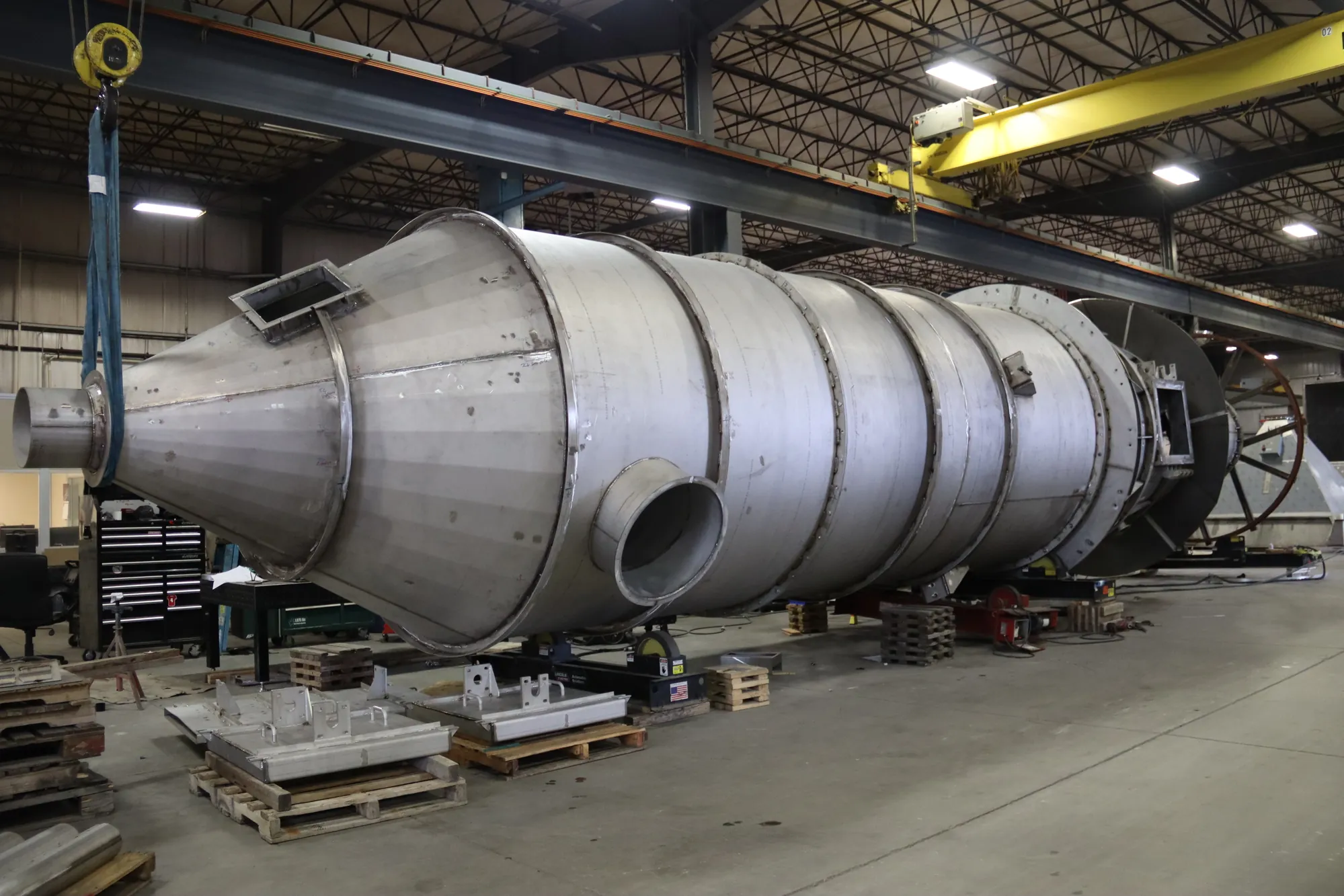
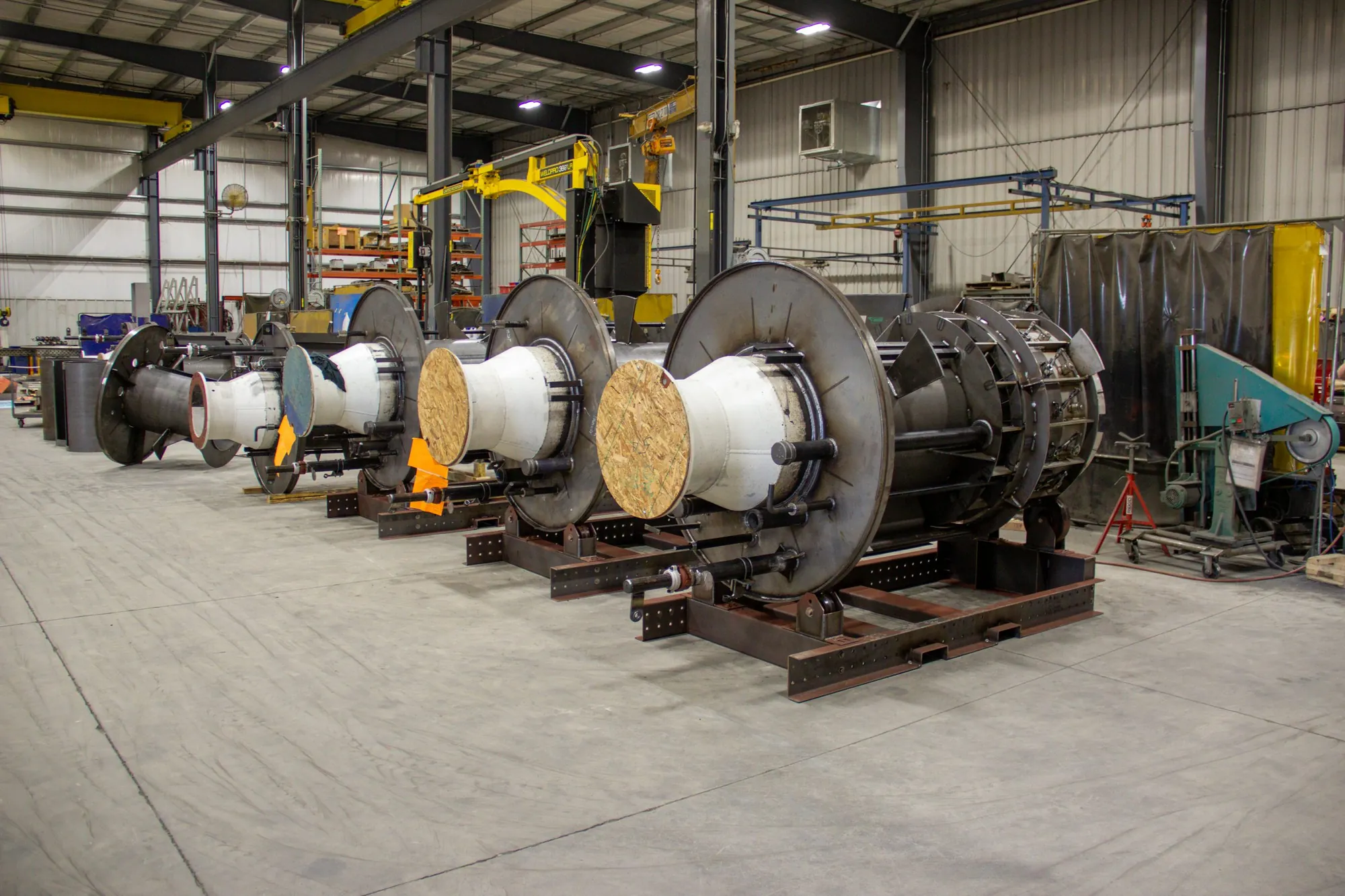
Northern Manufacturing fabricates high-temperature alloy equipment in stabilized austenitic stainless (321, 347), high-chromium austenitics (309 and 310 stainless), and nickel alloys (Inconel 625, Hastelloy C-22, Hastelloy C-276): furnace retorts and muffles, burner components, hot-side ductwork, and incineration system internals. Welding procedures are qualified per ASME BPVC Section IX across seven P-number groups, including P43 nickel alloys, with GTAW run at controlled low heat input so the alloy keeps the properties it was specified for. This page covers the metallurgy and the welding discipline behind it; for the oven, dryer, and glass-tempering equipment we build with these grades, see industrial ovens, furnaces, and thermal processing.
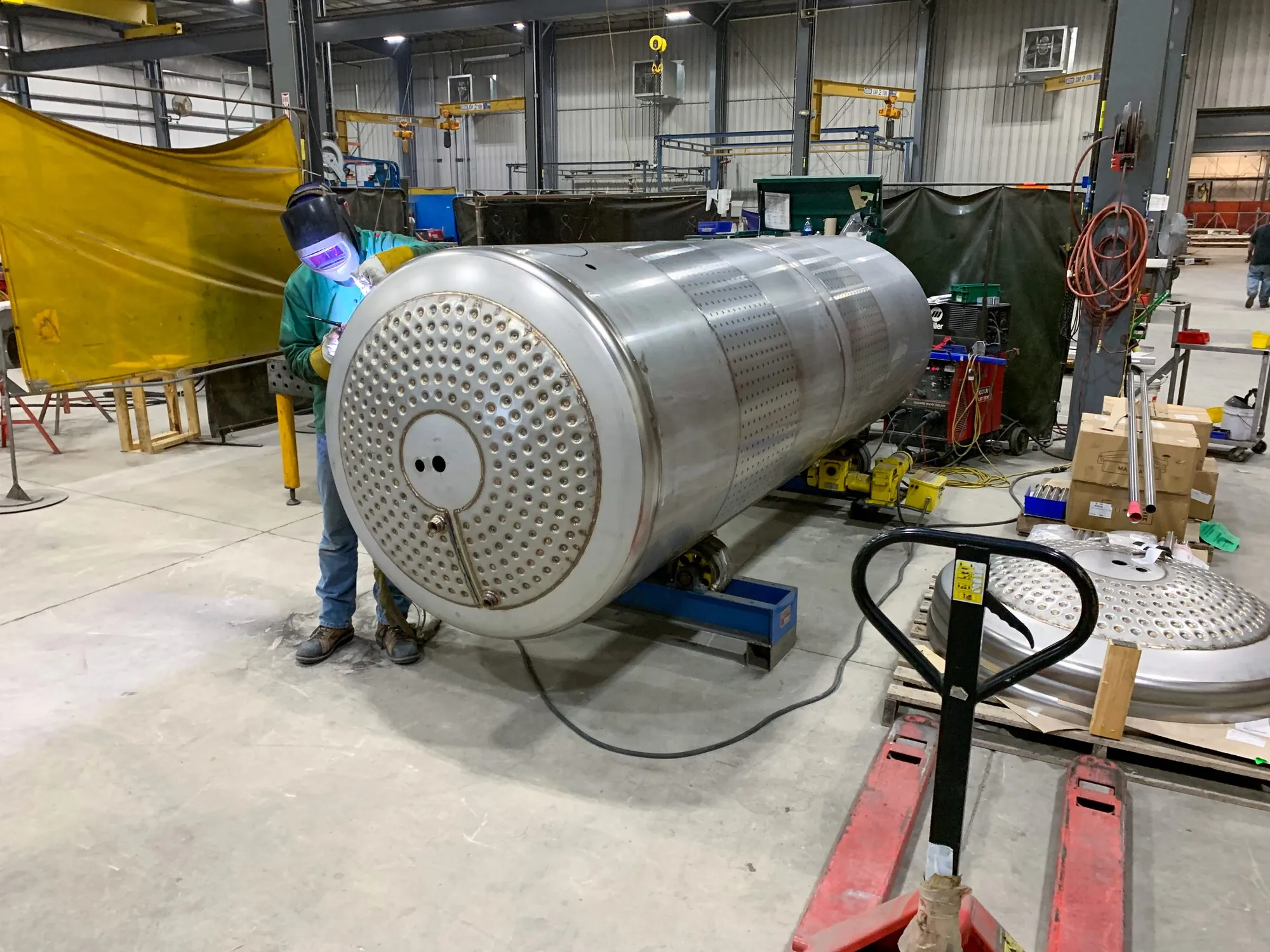
60+ AWS-certified welders across 78 welding stations. ISO 9001:2015 certified (AVU Registrations). Stainless and nickel-alloy work runs with dedicated tooling in our 40,000 sq ft dedicated stainless-only production space in Oak Harbor, Ohio, where no carbon steel runs and no shared abrasives contaminate sensitive material.
Where These Alloys Serve
This page is about the metallurgy. Each service below has its own equipment page with the full scope of what we build there.
Furnace Internals in the Stabilized Grades
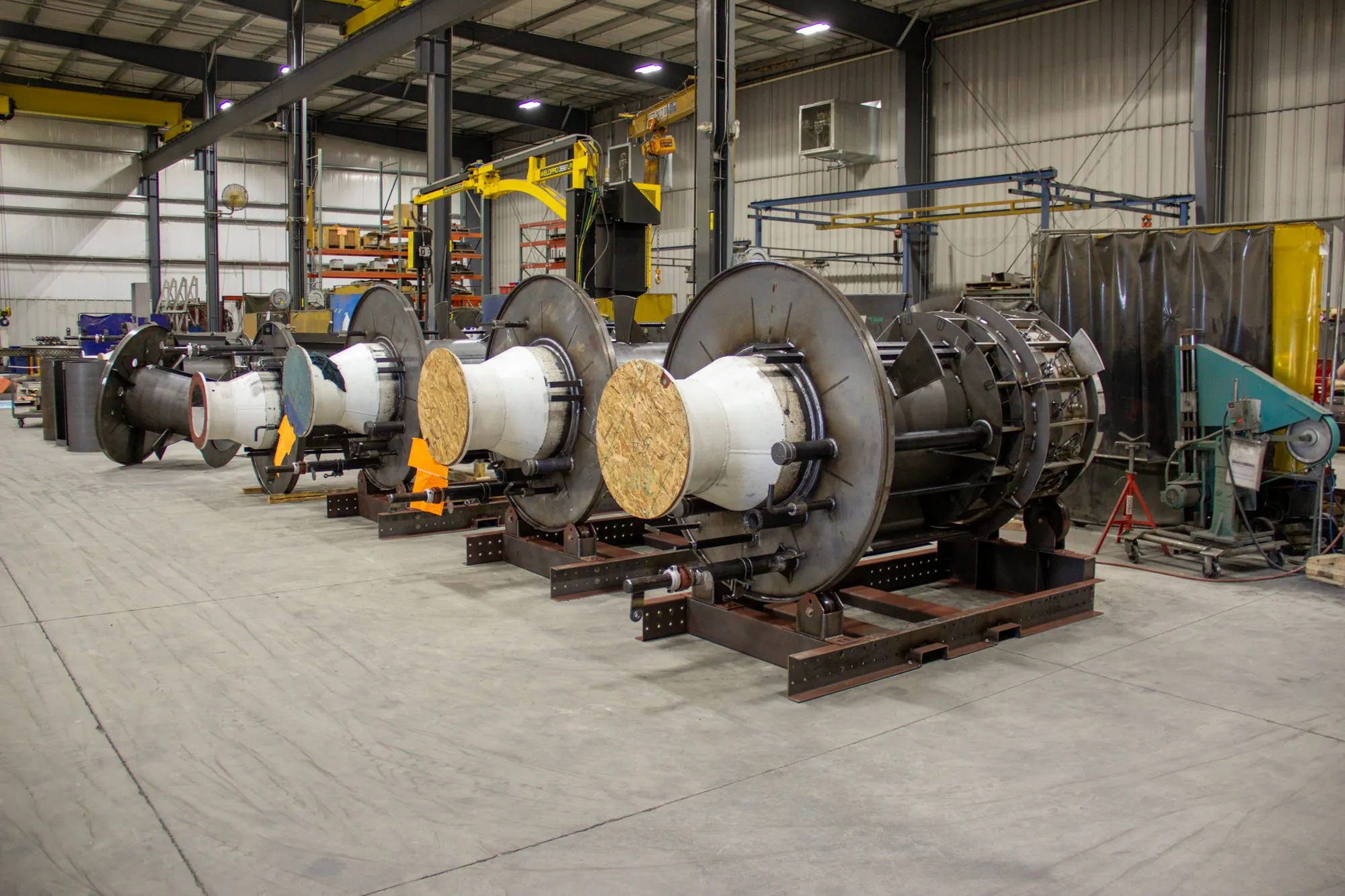
Retorts, muffles, and burner components in 321 and 347, grades chosen for the furnace atmosphere. The full oven and furnace equipment scope lives on our industrial ovens and thermal processing page.
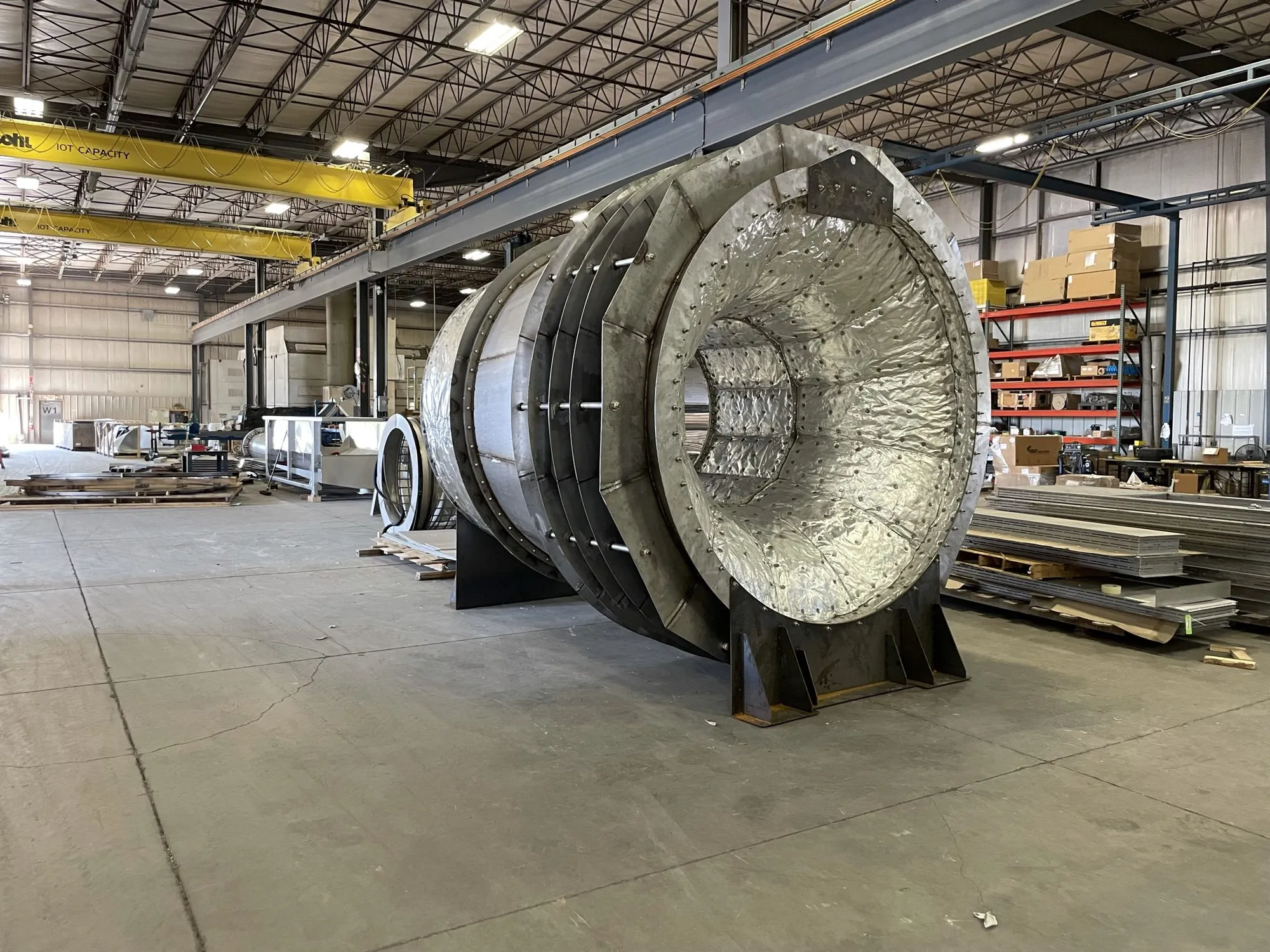
Hot-Side Duct & Expansion Sections
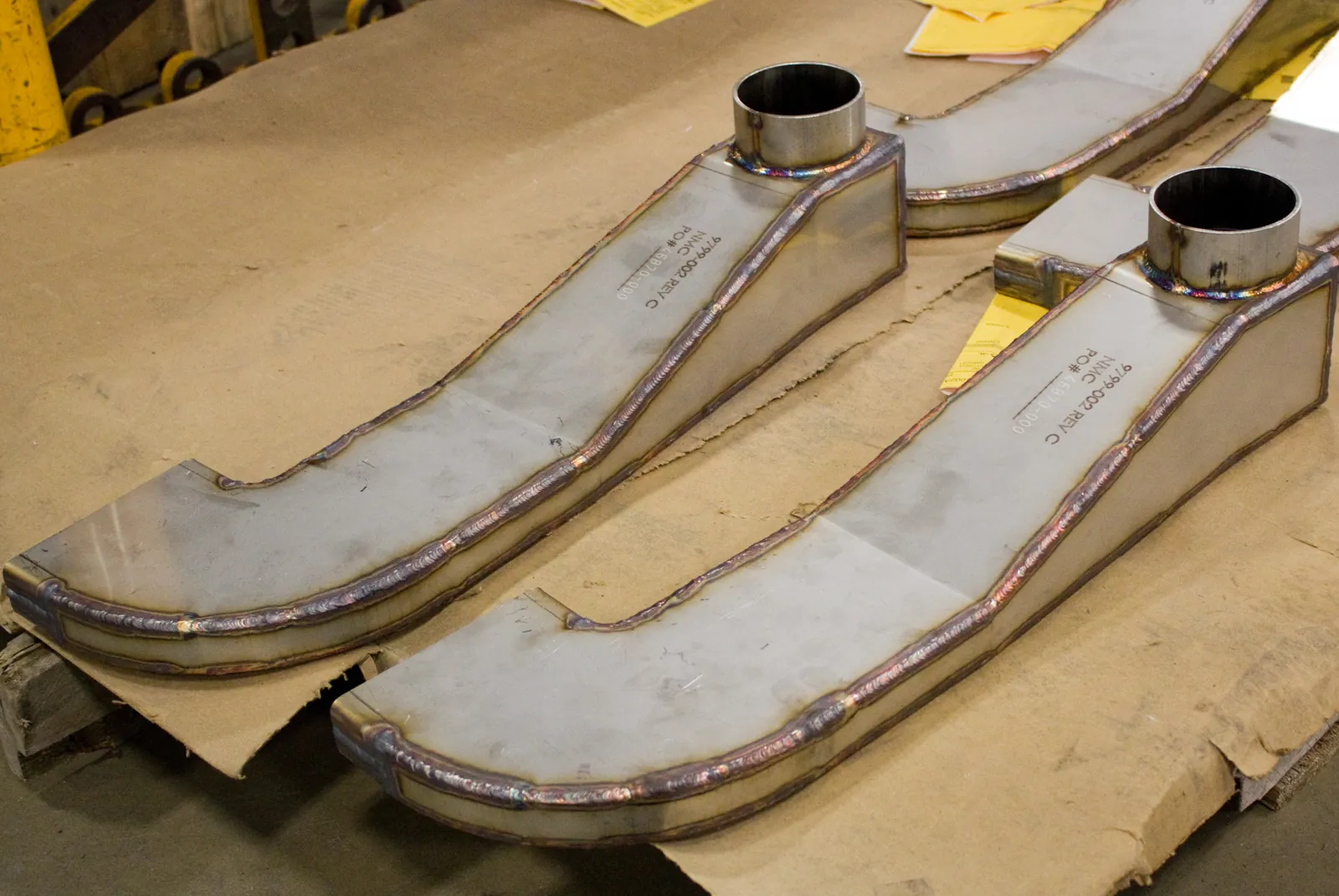
High-temperature duct, transitions, and housings for incineration, waste-to-energy, and pollution control systems. More on our industrial ductwork page.
Combustion-Path & Exhaust-Side Components
Casings, housings, and internals running on the hot side of power generation equipment, in the nickel alloys that hold strength where austenitics fade. See power and energy.
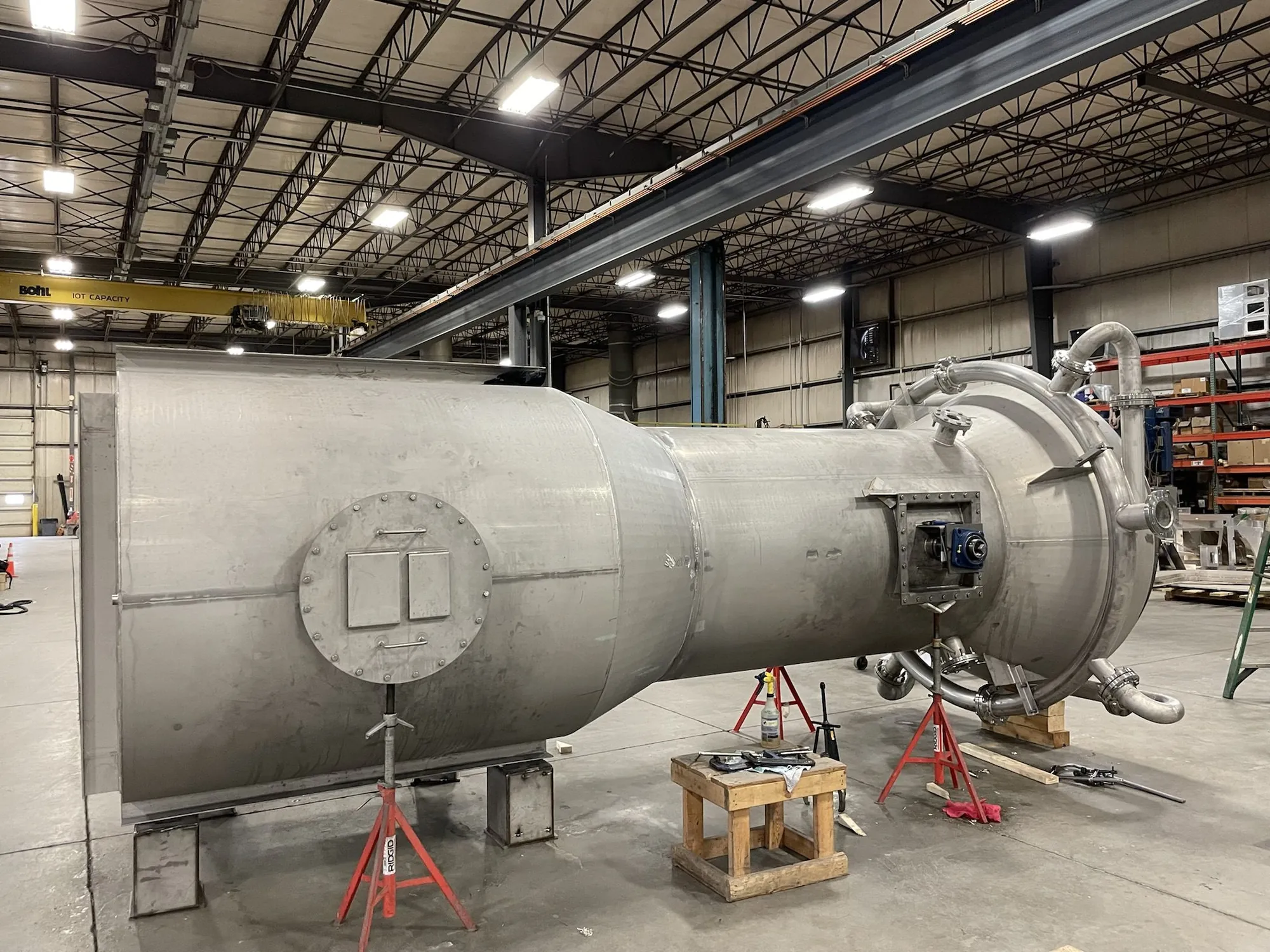
Heat-Plus-Chemistry Service
Tanks, housings, and internals where elevated temperature combines with aggressive chemistry: quench zones, scrubber service, hot acid lines. Hastelloy C-22 and C-276 territory. See chemical processing.
Welding the Stabilized Grades High Heat Demands
Your spec calls the stabilized grade for the service; our job is to weld it without re-creating the failure it was chosen to avoid. The stabilized grades exist because plain austenitics sensitize: welding holds the material in the temperature range where chromium carbides form at grain boundaries, stealing the chromium that provides corrosion resistance. 321 and 347 tie up carbon with titanium and columbium instead, which is why they hold up in cyclic high-heat service where 304 fails along its welds. 309 and 310 are a different family: high-chromium austenitics specified for high-temperature oxidation service, not nickel alloys.
| Grade | When to specify it |
|---|---|
| 321 | Titanium-stabilized austenitic for high-heat service like ovens and furnace components |
| 347 | Columbium-stabilized austenitic that resists sensitization after welding in elevated-temperature service |
| 309 | High-chromium austenitic for high-temperature oxidation service |
| 310 | Higher-chromium, higher-nickel austenitic for oxidation resistance at the hotter end of the range |
| Inconel 625 | Nickel alloy holding strength and oxidation resistance where austenitic stainless fades |
| Hastelloy C-22 / C-276 | Nickel alloys for the acid-condensate end of thermal systems: quench zones and scrubber service |
Welding That Respects the Metallurgy
The performance of a high-temperature alloy hinges on the fabrication. Every degradation mechanism above concentrates in the weld zone, so that is where our process control concentrates too.
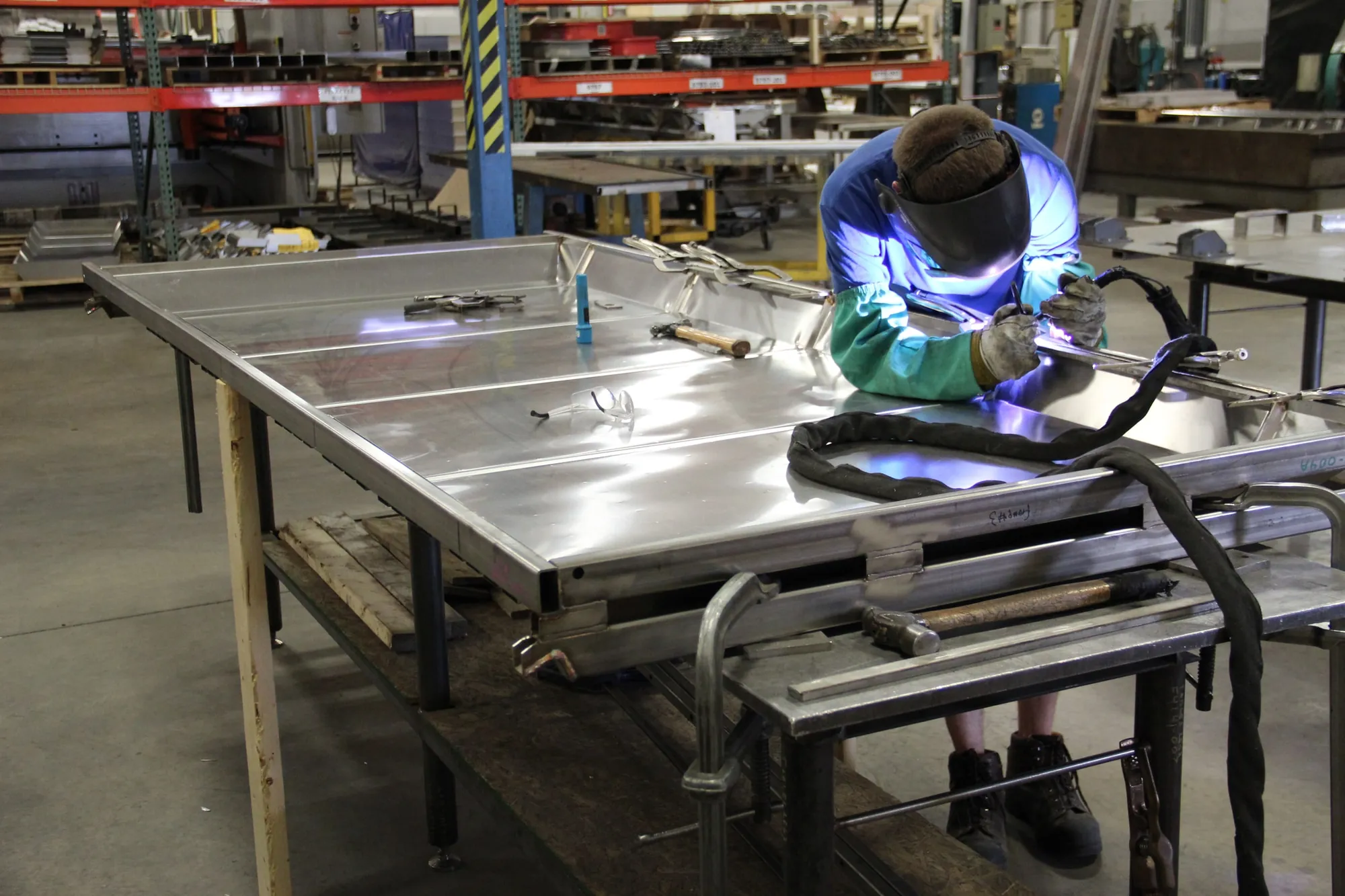
Welders work to ASME BPVC Section IX qualified procedures: P8 for the austenitics (321, 347, 309, 310), P43 for Inconel 625 and the Hastelloy grades, plus qualified dissimilar-metal combinations, so a stainless structure can carry a nickel-alloy hot section under a qualified joint. GTAW with controlled low heat input and stringer bead technique prevents the hot cracking and distortion these alloys develop under careless heat. Preheat is deliberately avoided, because slow cooling is the enemy on this material, not the friend it is on carbon steel.
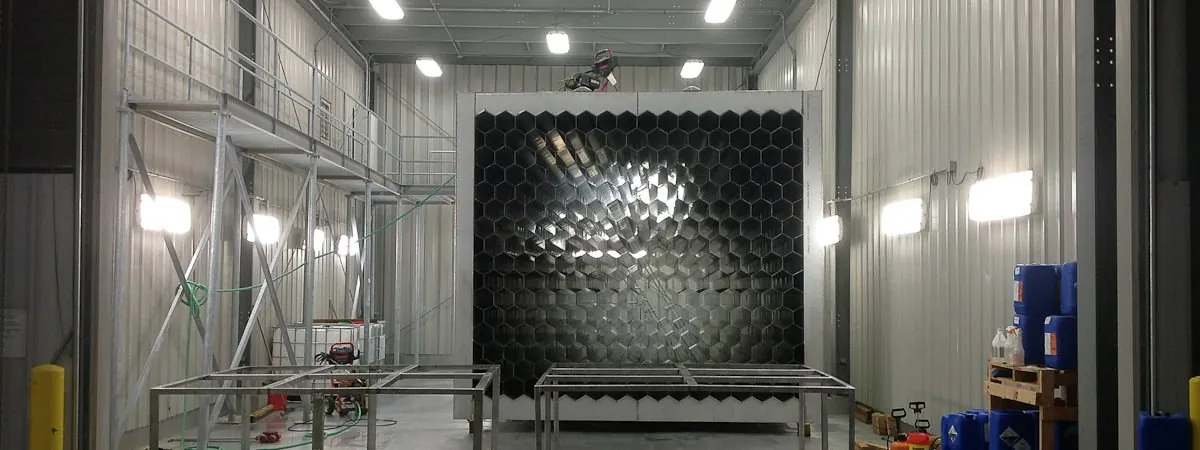
Weld integrity is verified to your drawing: visual, dye penetrant, and ultrasonic examination in-house under a Certified Welding Inspector and ASNT SNT-TC-1A Level III oversight, with radiography (RT) coordinated through a qualified NDE partner. Where the spec requires it, post-weld pickling and passivation per ASTM A380/A967 restores the surface chemistry across the whole assembly in our 55-foot spray booth.