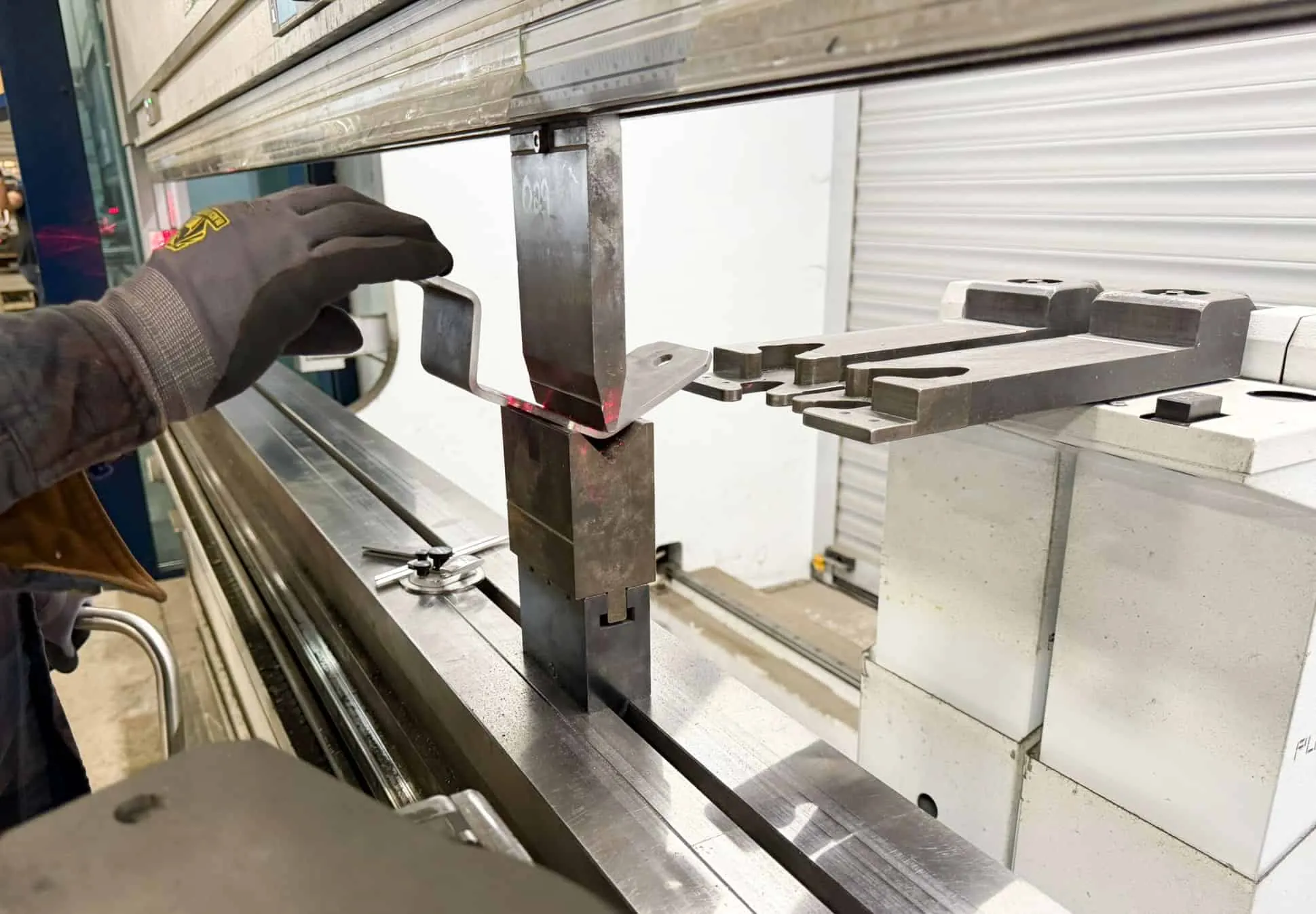
Northern Manufacturing forms stainless steel on five CNC press brakes: two Trumpf TruBend 5320s, a TruBend 5230, a TruBend 5085S, and an Ermak CNC brake. Plate rolling runs in the same building, so one-piece cylinders and shells come off the roll and move straight to welding without a freight leg between vendors. Where a section is too heavy to cold form, bevel-cut weld preps and K-TIG keyhole welding produce a full-penetration joint instead.
Forming runs under the same ISO 9001:2015 quality system as the rest of the building, certified by AVU Registrations (IAS-accredited, certificate #00157-4). Weldment tolerances default to ISO 13920 Class B/F unless your drawing calls out tighter, and stainless forms on dedicated tooling that never runs carbon steel, keeping free iron off corrosion-critical surfaces.
The Right Forming Process for the Part
One machine doesn’t form everything well. A 14-gauge bracket with six bends, a heavy plate gusset, and a rolled shell course are three different forming problems, and each runs on the equipment built for it. Engineering reviews your model before quoting and routes each part to the process that holds its tolerances at the lowest cost.
Precision Brake Forming
Multi-bend sheet and plate parts run on the Trumpf TruBend brakes. Blanks come off our lasers with bend allowances already built into the flat pattern, so hole patterns and flange heights land where the model says after forming, not before it. The first part off the brake is checked against the print before the run continues, and springback compensation is set per grade and per material lot, because a 304L blank and a duplex blank with identical geometry do not bend the same.
Heavy and Long-Part Forming
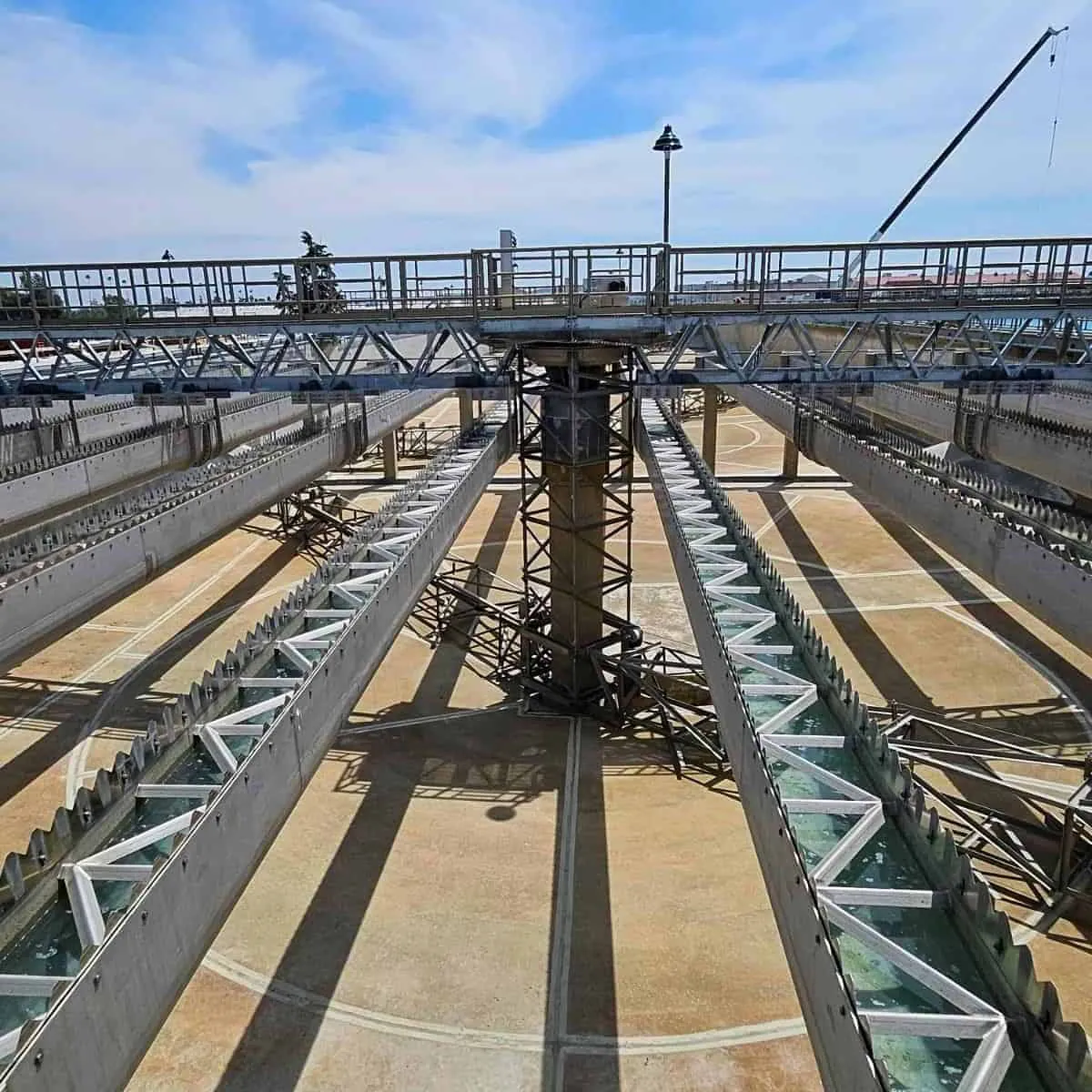
Plate work runs on the heavier brakes. Long radii and trough profiles that outrun a single die length are bump formed in controlled increments, formed in sections, and laser-aligned at fit-up. One of the longer examples to ship: a 304L trough, 100 feet end to end, formed and welded in sections and held straight within 1/8 inch across the full span.
Cylinder and Shell Rolling
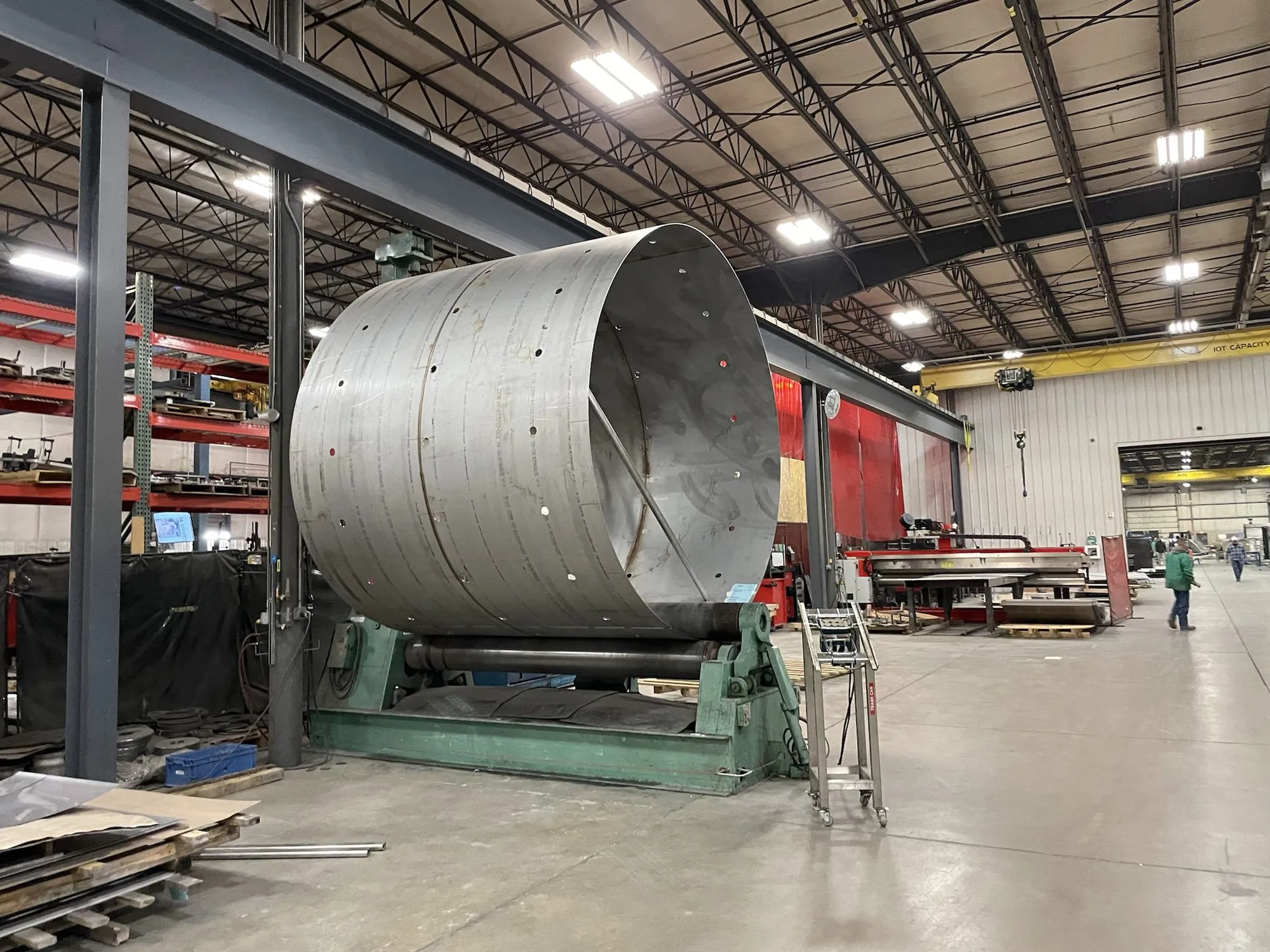
Cylinders and cone sections for tanks, troughs, and process equipment roll in-house. Rolling a shell in one piece instead of welding two formed halves removes a longitudinal seam: fewer welds, cleaner finish, lower cost. The seams that remain run to submerged arc welding for long straight joints, and finished shells fit the 55-foot booth for pickling and passivation without leaving the building.
Press Brakes on the Floor
| Press brake | Count |
|---|---|
| Trumpf TruBend 5320 | 2 |
| Trumpf TruBend 5230 | 1 |
| Trumpf TruBend 5085S | 1 |
| Ermak CNC | 1 |
All five are CNC machines fed by blanks cut in-house on our flat and tube lasers, so bend allowances, hole patterns, and weld preps are coordinated in one model instead of negotiated between vendors. Machine assignment, along with the thickness and bend-length limits for your specific part, is confirmed at quote review against the actual geometry, grade, and bend schedule.
Beyond cold forming, the strategy changes instead of the part: bevel-cut weld preps off the laser and K-TIG keyhole welding deliver single-pass full penetration up to 1/2 inch in stainless and duplex.
Forming Quality Control
Springback. Every grade returns elastically when the ram lifts, and the amount scales with yield strength. Duplex 2205 carries roughly twice the yield of 304, so the same die angle produces a different part. Compensation values are set per grade and verified with a first-article bend on the production lot, not pulled from a generic chart.
Grain direction. A tight radius bent parallel to the rolling direction cracks where the same bend across the grain forms clean. Flat patterns are nested with bend orientation in mind on parts where the radius runs near the minimum for the thickness.
Surface protection. Formed stainless often arrives with a finish that has to survive the brake. Film-protected material stays filmed through forming, stainless dies and tooling never run carbon, and cosmetic faces are oriented away from the die wherever the bend allows.
Tolerances and verification. Weldment tolerances follow ISO 13920: Class B/F is the shop default, Class A/E covers precision weldments, and anything tighter than Class A goes through an engineering assessment before we quote it, not after the part is on the floor. Formed dimensions are verified against your CAD model, large assemblies are checked with a Leica AT960 laser tracker, and we can provide the records in your quality package when your purchase order calls for it.
Materials We Form
Austenitic stainless (304, 316L, 309, 321). The bulk of what crosses the brakes. Moderate springback and forgiving bend radii, with enough work hardening to matter on multi-hit parts. Grade details on our austenitic stainless page.
Duplex (2205, 2507) and LDX 2101. Higher yield strength means higher forming forces and more springback than austenitic grades. Compensation is set per grade and backed by bend tests on the production lot. More on our duplex stainless page.
Nickel alloys (AL-6XN, Hastelloy C-276, C-22). Form at higher forces and work-harden quickly. Bend sequence and tooling are planned for the alloy before material hits the brake.
Carbon steel and aluminum. Both form here, on handling and tooling kept separate from stainless so free iron never reaches a corrosion-critical surface.