Three stainless finishing processes get specified almost interchangeably on drawings, and they are not the same job. Pickling is aggressive acid cleaning that strips the heat-affected oxide, the chromium-depleted layer, and embedded free iron. Passivation is the lighter chemistry that rebuilds the chromium-oxide passive layer per ASTM A967 on a surface that is already clean. Electropolishing is an electrochemical process that removes oxides and the depleted layer and leaves an ultra-smooth, low-Ra surface for hygienic service. Specify the wrong one, or assume one covers another, and you ship a part that looks finished and corrodes in service.
This guide is the decision layer for the engineer or quality lead writing the finish callout. It does not restate the chemistry step by step. For our in-house process detail, the standards we run to, and the booth, see the pickling and passivation capability page. Here we answer which process your service environment actually requires, and how to verify you got it.
ISO 9001:2015 certified (cert #00157-4) | ASTM A380 spray pickling | ASTM A967 passivation | copper-sulfate verification on request | CWI on staff | ASNT SNT-TC-1A Level III NDE
What Each Process Actually Removes (and Restores)
The mistake that drives most corrosion failures is treating “clean” and “passive” as the same thing. They are not. A buffed, shiny surface can still sit below the chromium spec that makes 316L corrosion-resistant. Here is what each process does to the surface.
| Process | What it removes | What it restores | Governing standard |
|---|---|---|---|
| Pickling | Heat tint, weld oxides, the chromium-depleted layer, embedded free iron | Exposes fresh base metal ready for passivation | ASTM A380 |
| Passivation | Light surface contaminants (does not remove oxide scale) | Rebuilds the chromium-oxide passive layer | ASTM A967 |
| Electropolishing | Oxides, the depleted layer, and surface peaks (lowers Ra) | A smoother, passive surface in one electrochemical step | (per drawing) |
Pickling: The Aggressive First Step
Welding heat drives chromium out of the surface layer near every weld. The visible blue-to-straw oxide is only the top of the problem: under it sits a chromium-depleted layer where the surface chemistry no longer meets spec. ASTM A380 spray pickling strips both the oxide and the depleted layer in one chemistry, and removes embedded iron from grinding or carbon-steel tool contact at the same time. Mechanical buffing alone leaves the depleted layer in place under a polished surface, which is exactly how a part scans clean on the bench and pits in the field.
Passivation: Rebuilding the Passive Layer
Passivation per ASTM A967 is the lighter step that follows. Using nitric or citric chemistry, it rebuilds the chromium-oxide passive layer on a surface that is already free of oxide and iron. Passivation does not strip heat tint or a depleted layer; it assumes the surface is already clean. That is why most post-fabrication stainless needs both: pickle first to fix what fabrication damaged, then passivate to confirm the surface is restored. A passivation-only callout is correct only on parts that never saw weld heat or carbon-steel contact.
Electropolishing: For Ultra-Smooth Hygienic Surfaces
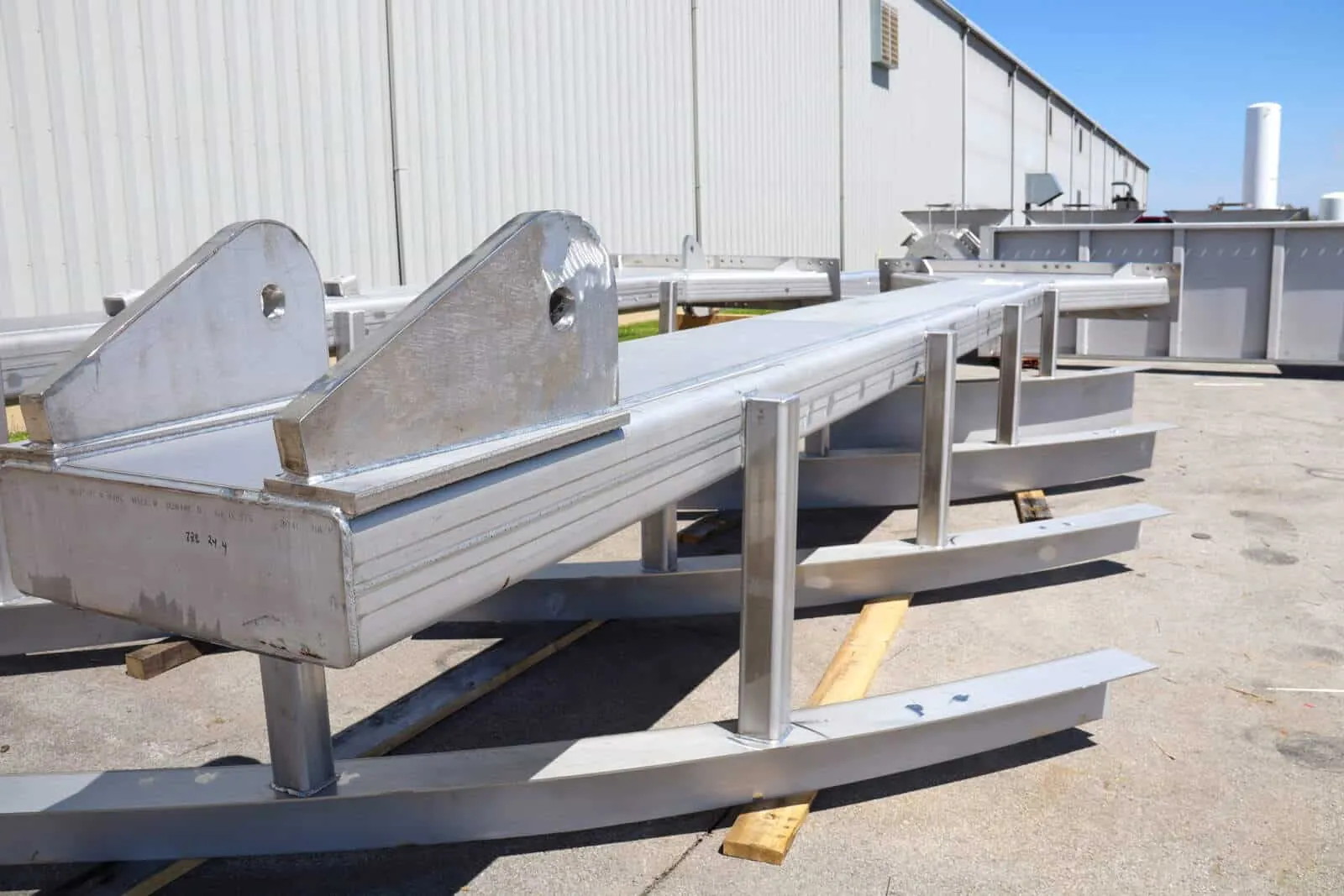
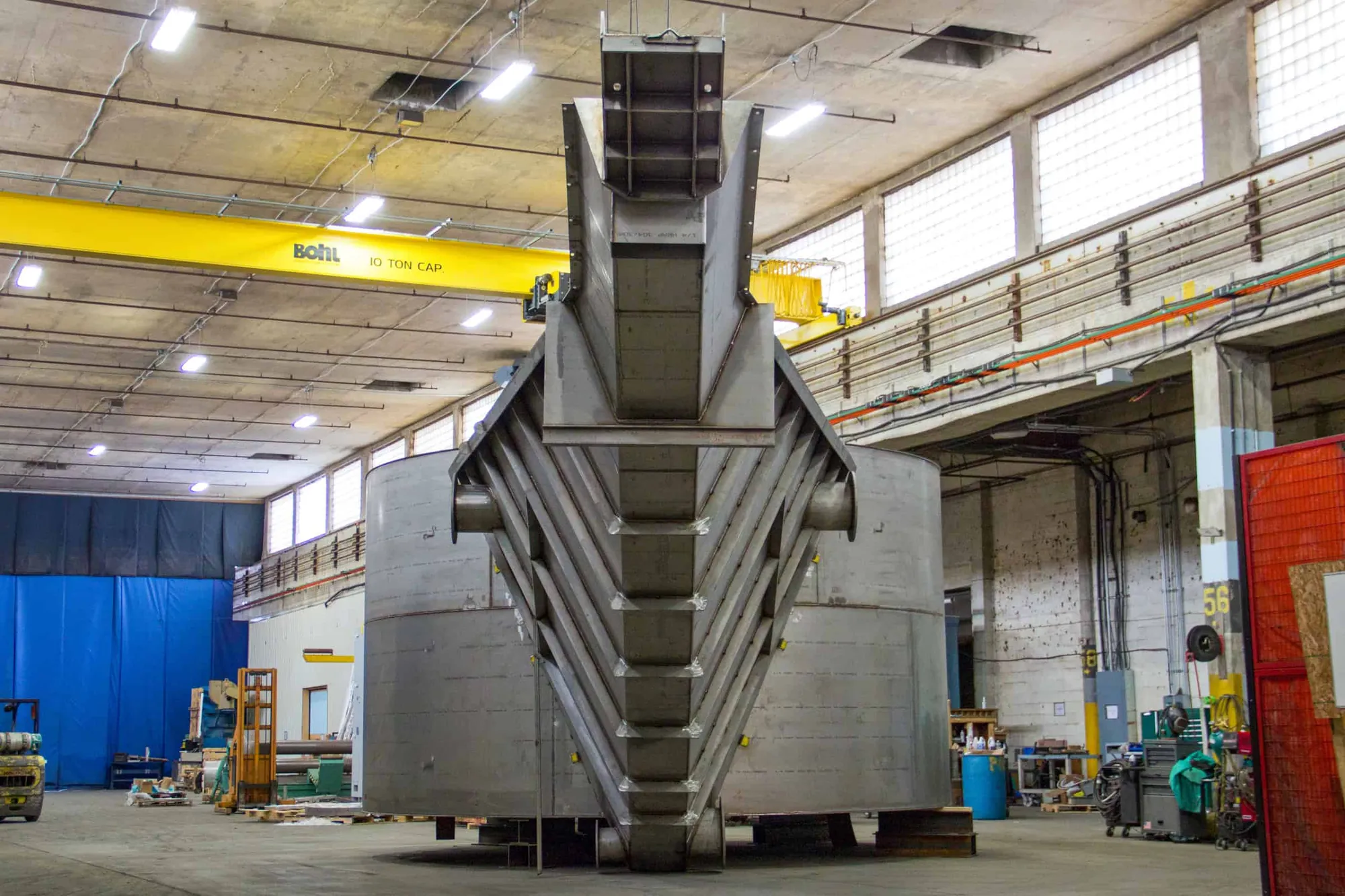
Electropolishing earns its reputation. It removes weld oxides and the chromium-depleted layer and leaves a smoother, low-Ra surface, which improves corrosion resistance further and makes the surface easier to clean, the reason it is specified for high-purity pharmaceutical and sanitary service. On small parts that fit in an electropolishing tank, it is an excellent finish. The limit is size: most large welded assemblies will not fit in any tank, so on tanks, frames, and clarifier-scale work, electropolishing becomes local electrochemical treatment of the weld zones only, leaving embedded iron on the rest of the surface. That is why spray pickling and passivation is the default on large assemblies where the corrosion-resistance spec covers more than the welds.
Specify by Service Environment, Not by Habit
The finish is chosen against the service environment and the spec, not by default. Use this to scope the callout:
- Welded assembly headed for corrosive or wetted service (process, chemical, wastewater, clarifier). Full spray pickle per ASTM A380, then passivate per ASTM A967 over the entire wetted surface. Welding damaged the surface; pickling is the only step that repairs the depleted layer at scale.
- Food, dairy, and pharmaceutical contact surfaces. Pickle and passivate the full wetted surface; citric passivation per A967 is the common default. Where the drawing specifies a low-Ra hygienic finish, electropolishing applies on parts that fit a tank. These surfaces contact regulated product, so partial treatment is not acceptable. See food and beverage fabrication for how this scopes in sanitary work.
- Part that never saw weld heat or carbon-steel contact. Passivation alone per A967 may satisfy the spec, since there is no oxide or depleted layer to strip.
- Structural or cosmetic work where corrosion resistance is not a design driver. Mechanical grind or blast may be enough, but understand that it is a prep step, not a corrosion finish. Blasting must be followed by chemical treatment when the spec calls for a corrosion-resistant surface.
- Mixed-metal assembly (stainless plus carbon steel). Pickling acids attack carbon steel aggressively, so carbon components must be masked, shielded, or removed before the assembly enters the booth. These get a conversation before they get a chemistry plan.
For chemical-service equipment where the corrosion grade and the finish are both load-bearing, see chemical processing fabrication. For the mechanical prep that precedes chemistry, see stainless steel bead blasting.
Verification: How You Prove You Got the Finish You Paid For
A finish you cannot verify is a finish you did not buy. Two standardized tests confirm the passive surface.
- Copper-sulfate test (ASTM A967 Practice D). Copper-sulfate reagent is applied to the finished surface for a 6-minute dwell. No copper plating confirms the surface is free of embedded iron and properly passivated. This is a common free-iron acceptance test. When your specification or purchase order calls for it, we run the test and log results by lot and serial.
- Ferroxyl test (per ASTM A380). A potassium-ferricyanide test for free iron, run as an alternative or supplemental verification on corrosion-critical work when specified.
A specification that calls out a corrosion-resistant finish should also call out the verification method and the acceptance criterion. “Passivate per A967” without a verification callout leaves the acceptance test to interpretation; “passivate per A967, verify per A967 Practice D, no copper plating” is unambiguous.
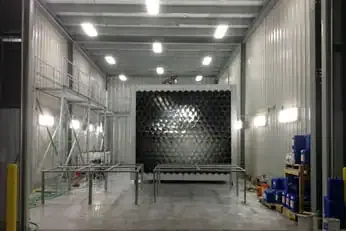
Northern’s In-House Finishing Capability
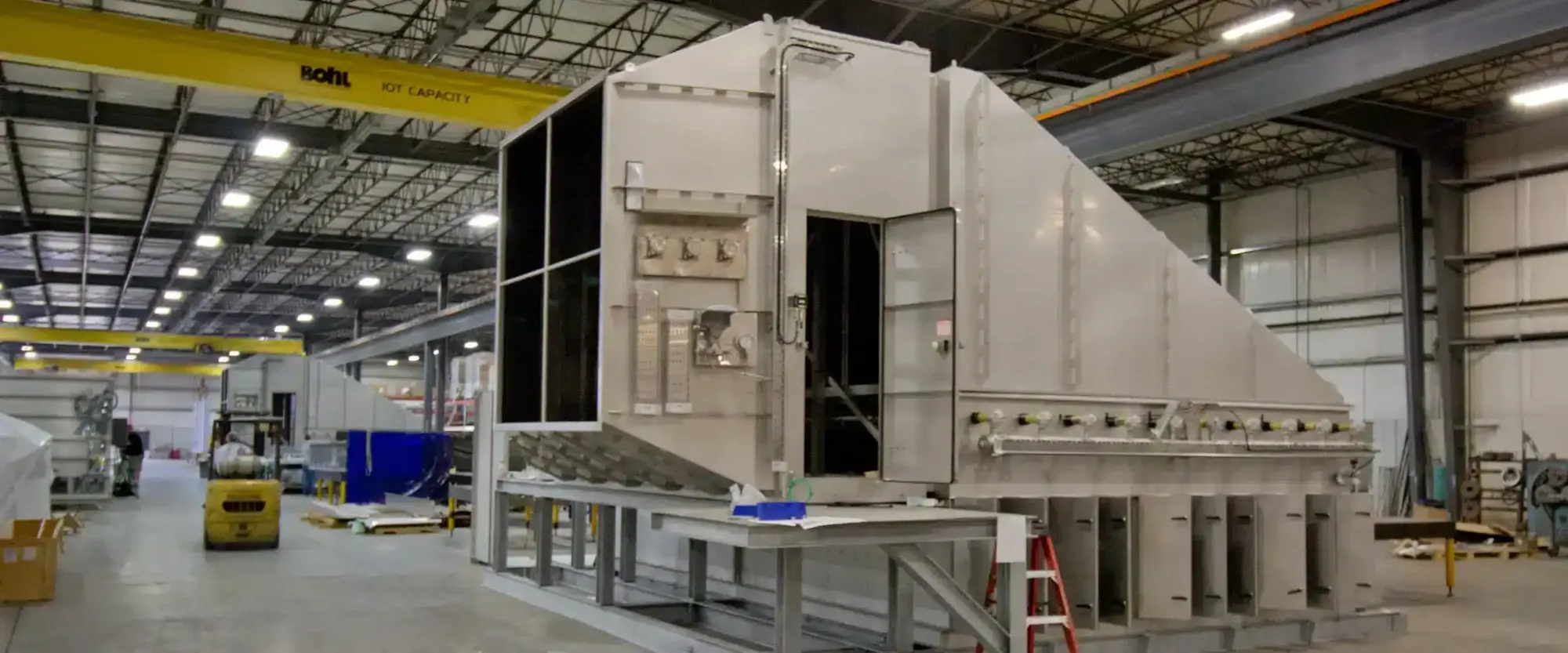
Northern Manufacturing runs a 55-foot drive-in spray pickling and passivation booth at our Oak Harbor, Ohio facility, with in-house chemistry and an ASTM A380-compliant spray process. ASTM A967 Practice D copper-sulfate verification is available on the finished surface when your specification or purchase order calls for it.
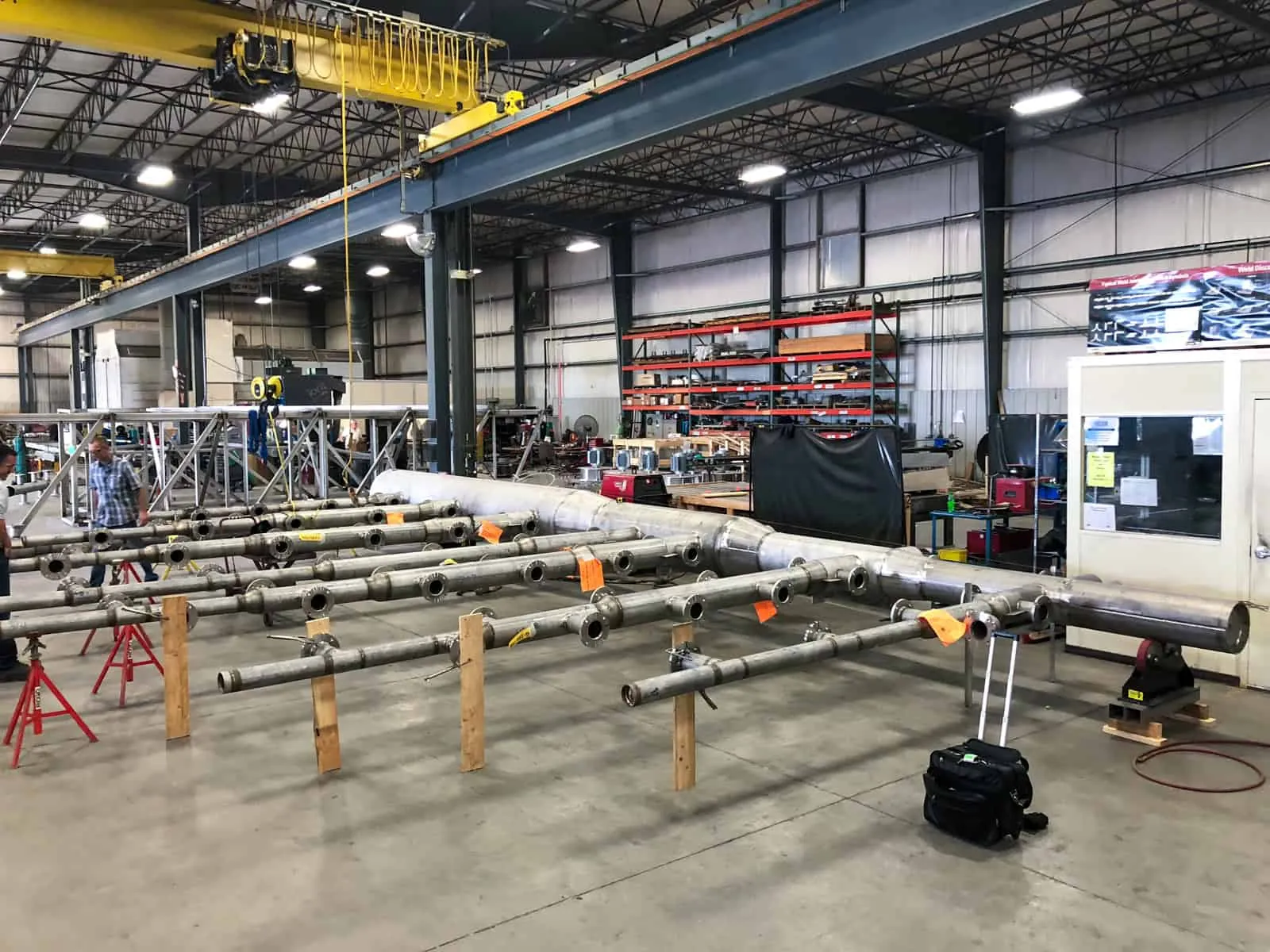
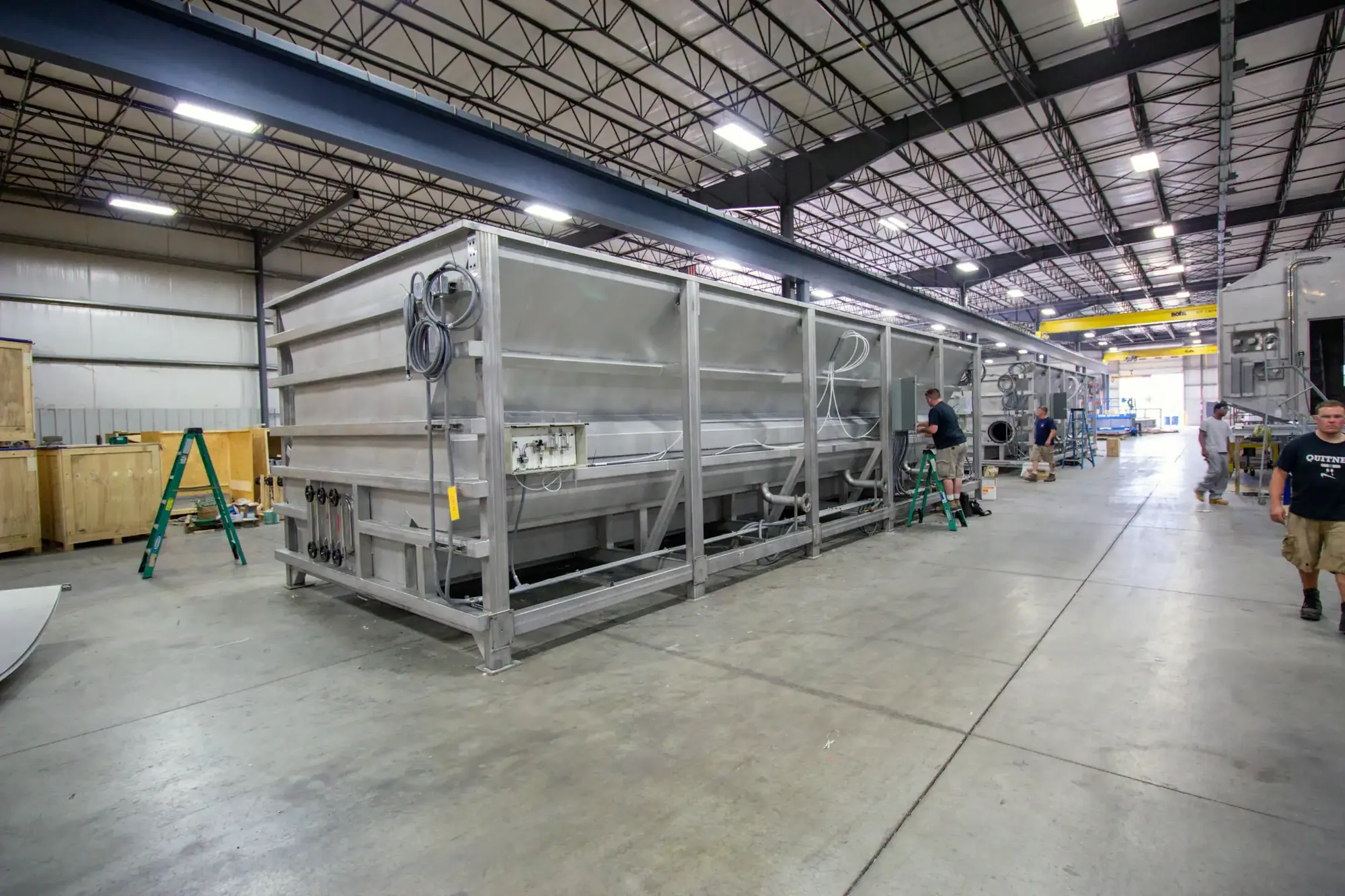
- Full-assembly scale. The 55-foot drive-in booth takes tank sections, structural frames, clarifier rakes, and mixer vessels whole rather than disassembled, which protects fit-up tolerances and keeps the quality record against the as-built weldment. Our 100-foot stainless trough was pickled in two overlapping passes with a documented pass overlap, so single-booth-length is a preference, not a hard cap.
- Stainless-only environment. Every pickle and passivation pass runs inside our roughly 40,000 sq ft dedicated stainless-only production space, no carbon, so free-iron transfer stays off the stainless side and cannot recontaminate a passivated surface.
- Chemistry matched to the alloy. Nitric-HF for austenitic and duplex pickling; nitric or citric passivation per A967, selected against the customer specification. Nickel alloys get alloy-matched chemistry, never a standard stainless pickle.
- Documented and verified. Pickling and passivation certificates referencing ASTM A380 and A967 with the chemistry and dwell times used, copper-sulfate verification records per A967 Practice D, MTRs traced by heat number, and a Certificate of Conformance, provided as your specification and purchase order require.
If the drawing calls out a method or a chemistry designation we have not listed, our quality department scopes it against A380 and A967 during quote review.
Have a fabricated assembly that needs a corrosion-resistant finish? Send us the drawing and the service spec and our quality team will scope the right process before we price it.
Note: ASTM A380 and A967 are subject to revision. Always consult the latest version of any standard, and confirm the finish and verification method against your project specification. Northern Manufacturing builds and finishes to the specification and purchase order provided by the customer.