Client Requirements
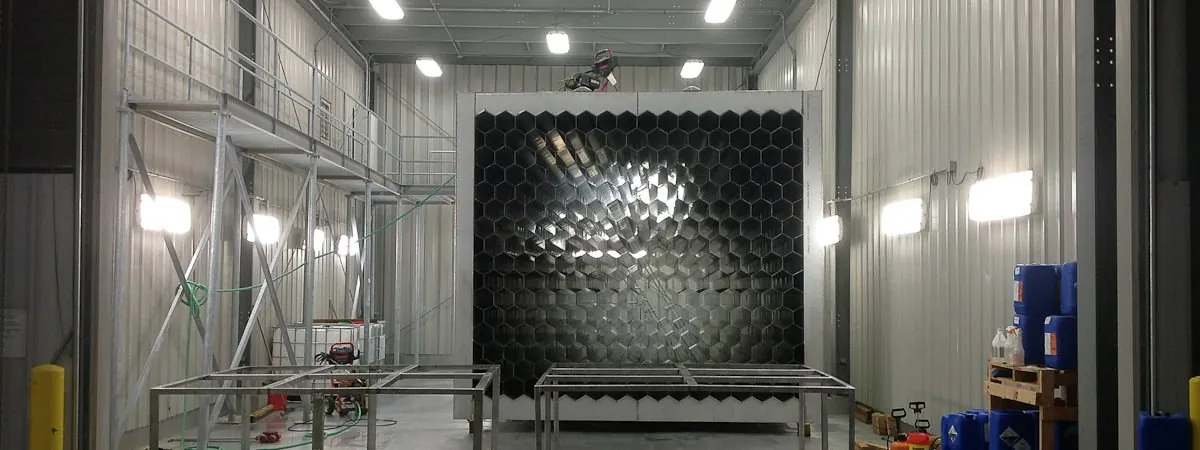
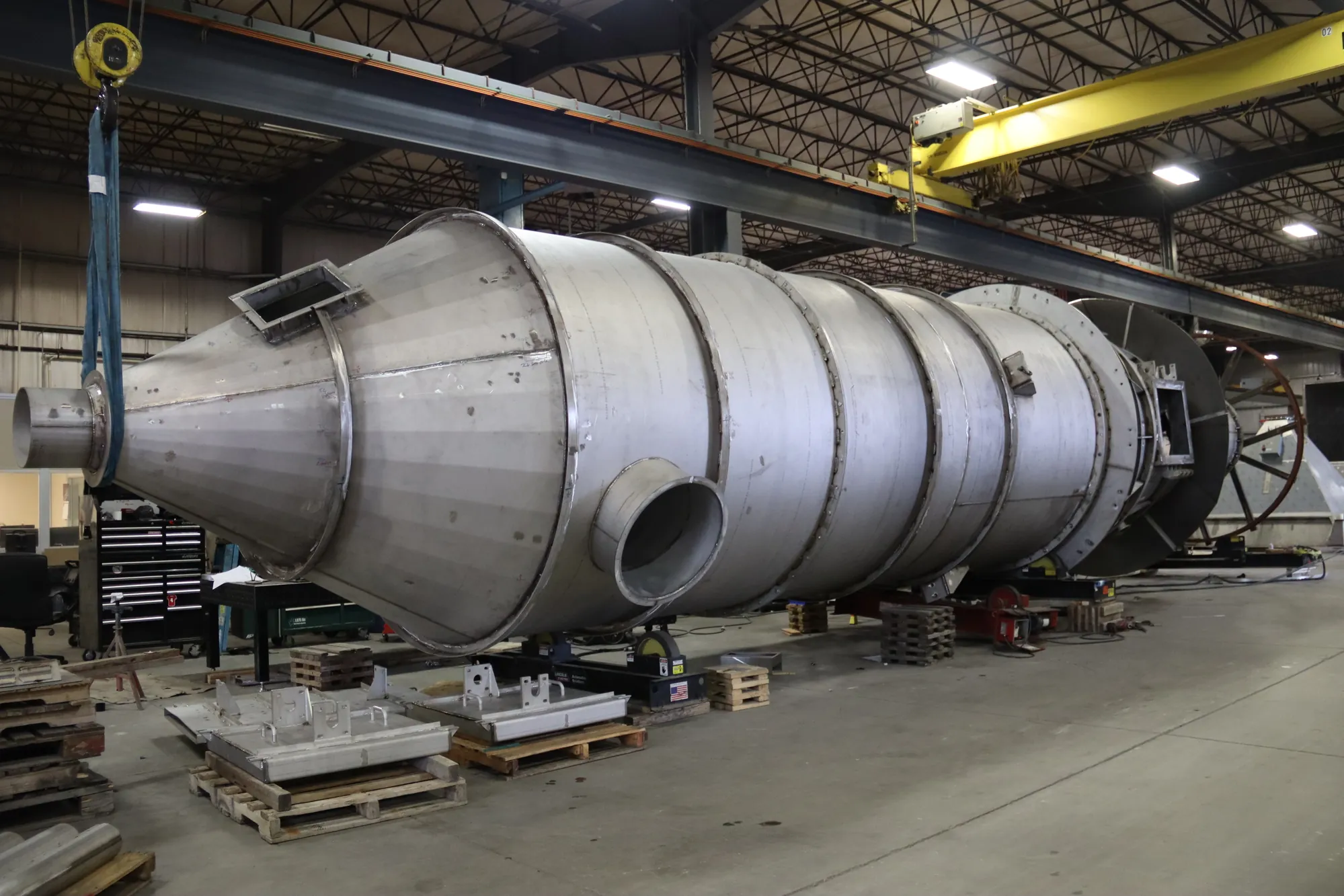
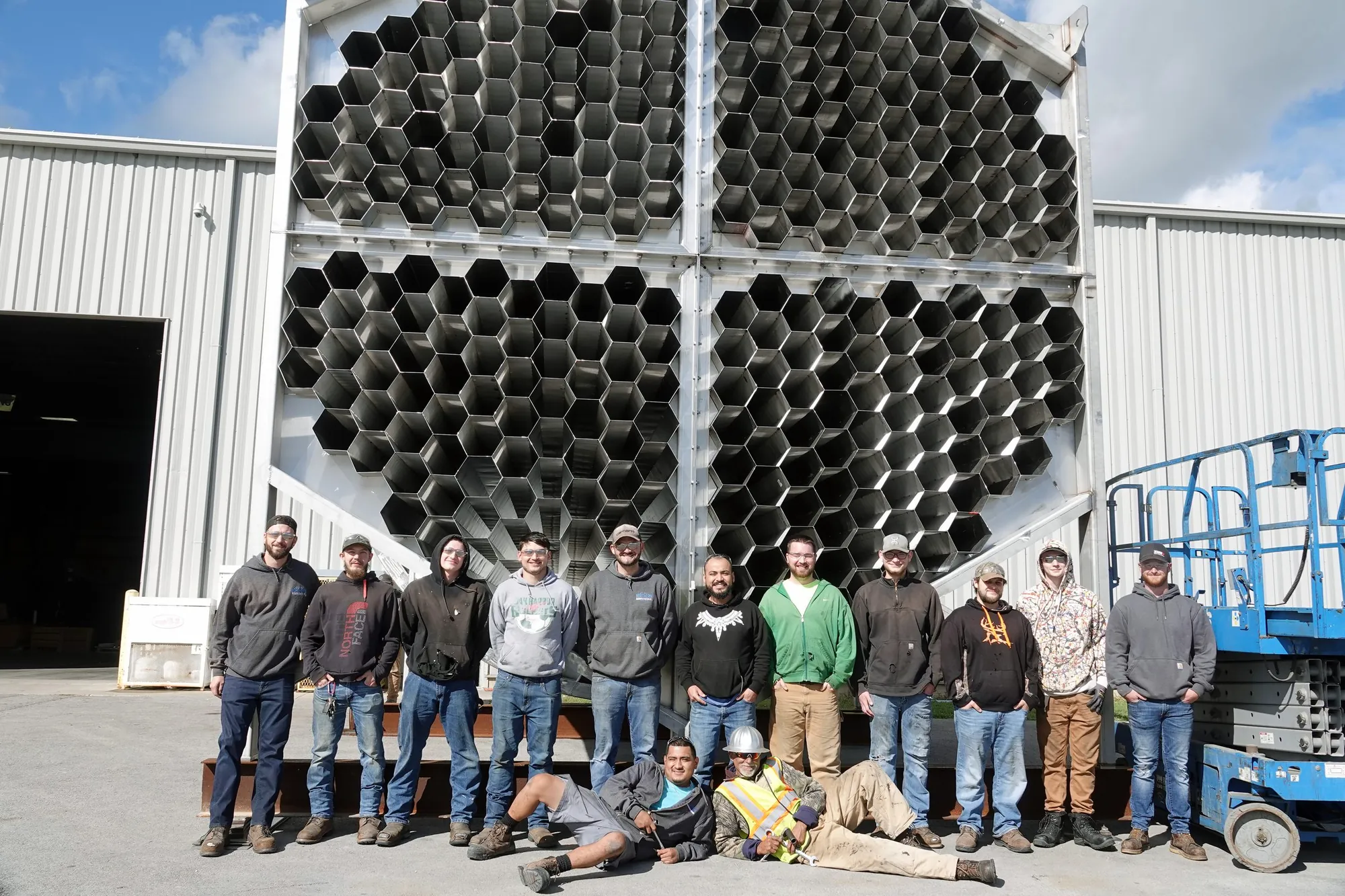
A pollution-control OEM needed a large WESP (wet electrostatic precipitator) built in AL-6XN, the super-austenitic stainless that survives wet-chloride and acid service where leaner grades pit through. The WESP collecting structure was multi-story, roughly 17 feet tall, with collector rows stacked one above the next. Each row had to hold straight within 1/8 inch. The hard part was not any single row. It was that the tolerance stacked from the bottom up: any drift in the first row carried into every row above it.
Northern’s Approach
We treated straightness as the controlling fabrication parameter, set before the first arc rather than measured at the end. AL-6XN work-hardens and reacts to heat, so the way to hold geometry on a tall thin-walled WESP is to predict the drift and manage cumulative distortion as the structure goes together, not to straighten it afterward.
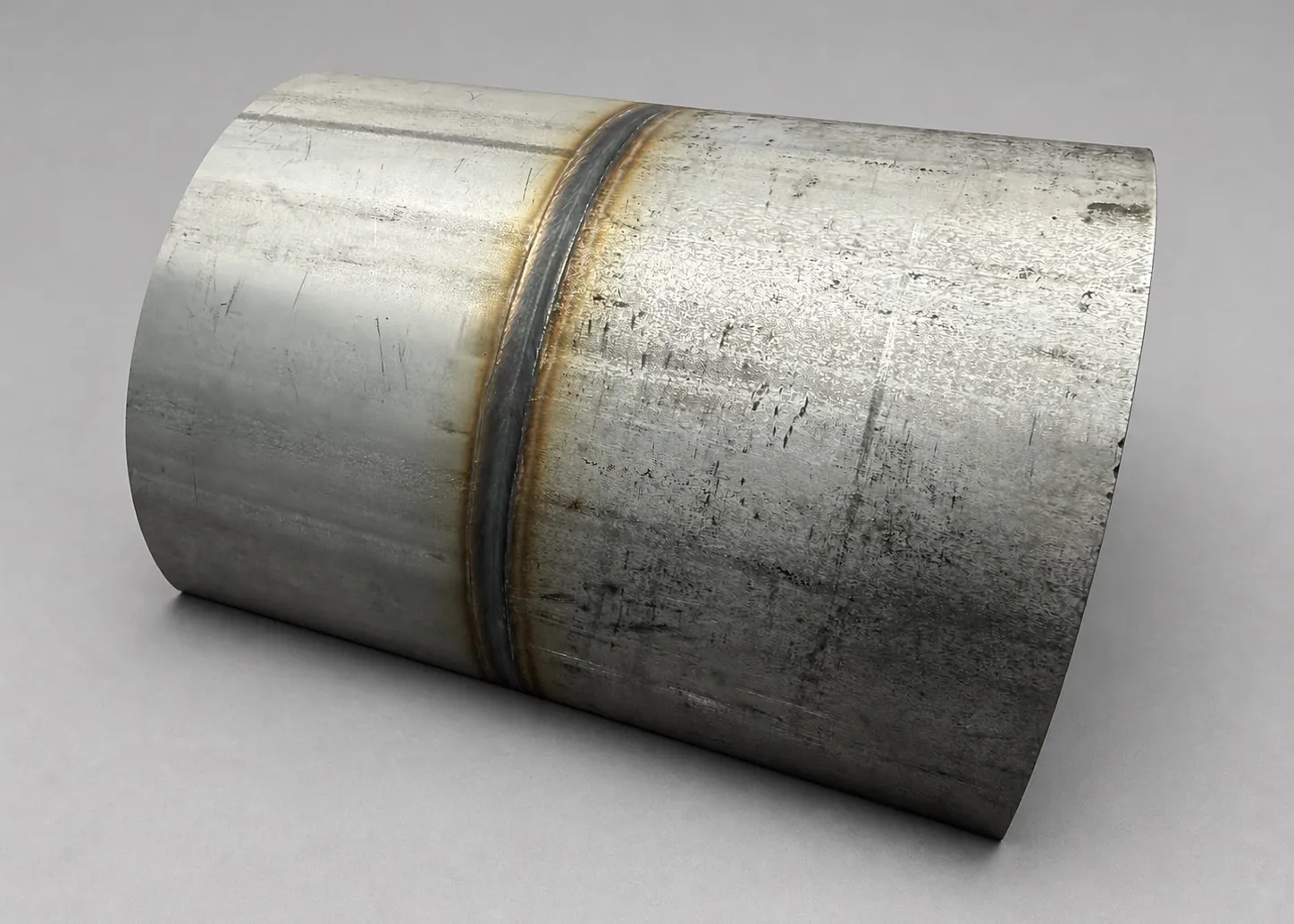
Heat input was held low and controlled so the super-austenitic plate would not walk, and each row was brought to straight as it was built rather than corrected after the stack was complete. Welding followed ASME BPVC Section IX qualified procedures, with weld controls and PMI traceability matched to the alloy.
Outcome
Every WESP collector row held straight within 1/8 inch, built to ISO 13920 weldment tolerance classes. After fabrication, the structure was cleaned and passivated per ASTM A380 and A967 to restore the passive layer across the welds. Specialty-alloy work at this scale is unforgiving: a distortion mistake is measured in the cost of the plate, not the labor. Holding the geometry meant controlling distortion from the first row.